
Kooky Plate KL Mala-Spiced Pappardelle Guide Key Takeaways
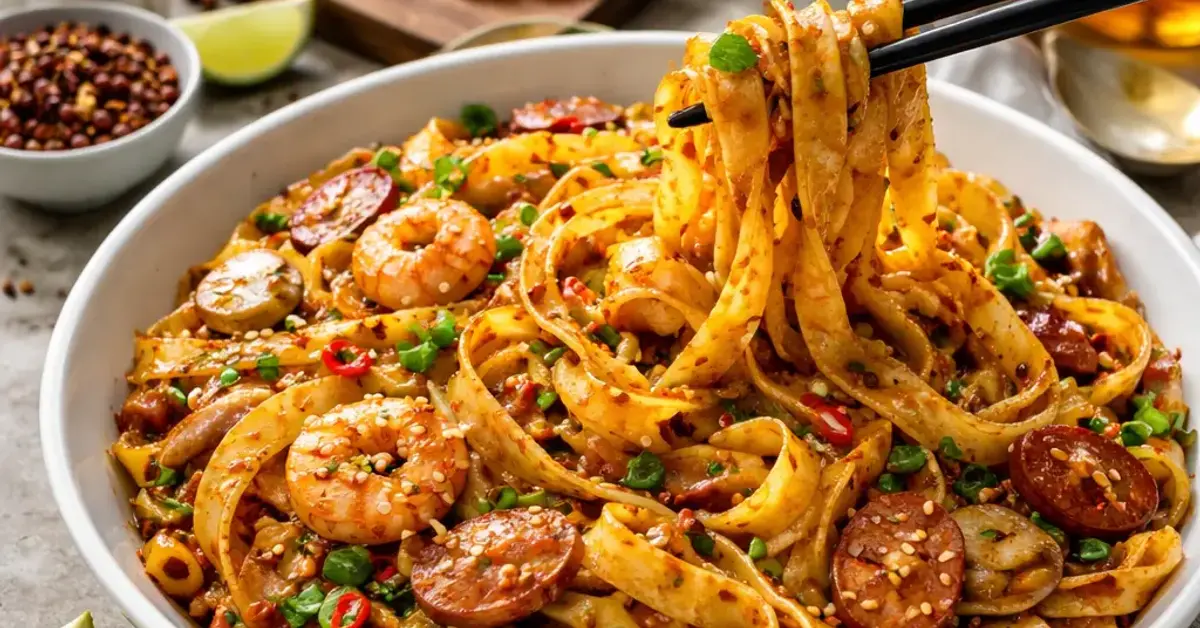
This guide walks you through Kooky Plate KL ’s signature Mala-spiced pappardelle —a fiery Malaysian-Italian fusion dish that swaps heavy cream for tongue-tingling Sichuan peppercorns and rich belacan shrimp paste.
- Understand why the Kooky Plate KL Mala-Spiced Pappardelle Guide emphasises fresh, wide ribbons of pasta to hold the numbing sauce.
- Avoid overcooking the mala paste—medium heat is your best friend for preserving the floral aroma of Sichuan peppercorns.
- Master the art of belacan toasting: a dry pan turns that humble shrimp paste into a deep, savoury backbone for the dish.
What You Need to Know About the Kooky Plate KL Mala-Spiced Pappardelle Guide
Malaysian Italian fusion pasta sounds like a gimmick until you taste a bowl of pappardelle that actually makes you sweat, smile, and crave another forkful. At Kooky Plate KL—a small, passionate kitchen tucked in the heart of Kuala Lumpur—the chefs reimagine classic Italian pasta through a distinctly Malaysian lens. Their Mala-spiced pappardelle is the star: wide, eggy ribbons of pasta twirled with a sauce that draws equally from Sichuan’s mala fire and Malaysia’s beloved belacan (fermented shrimp paste). For a related guide, see Kooky Plate KL Mala-Spiced Pappardelle: 5 Essential Tips for Beginners.
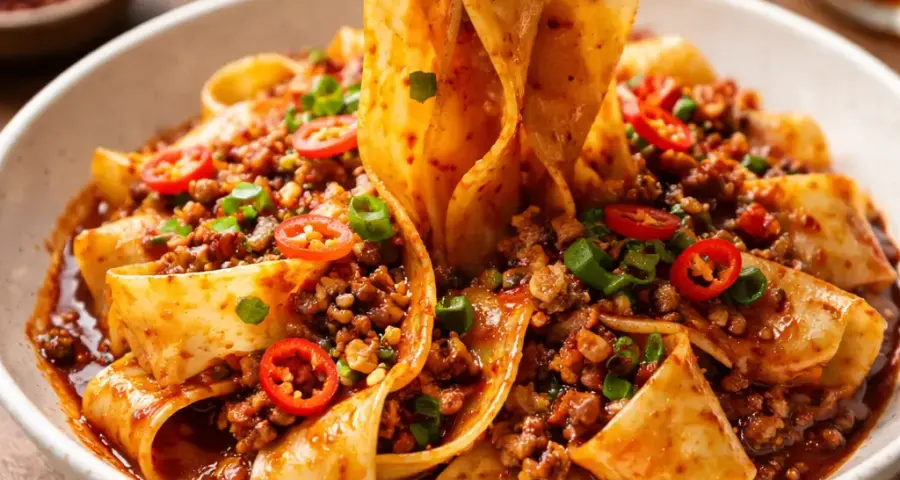
This Kooky Plate KL Mala-Spiced Pappardelle Guide will show you how to recreate that restaurant-worthy dish at home, while sidestepping the pitfalls that turn a promising bowl into a gummy, one-dimensional mess. Whether you are a spice chaser or a curious home cook, the tips below will help you build layers of flavour—numbing, savoury, tangy, and just a little sweet—exactly the way Kooky Plate does. For a related guide, see Kooky Plate KL’s Cantonese Lamb: 5 Essential Tips for Perfection.
7 Common Mistakes to Avoid When Making Kooky Plate’s Mala-Spiced Pappardelle
1. Using the Wrong Pasta Shape
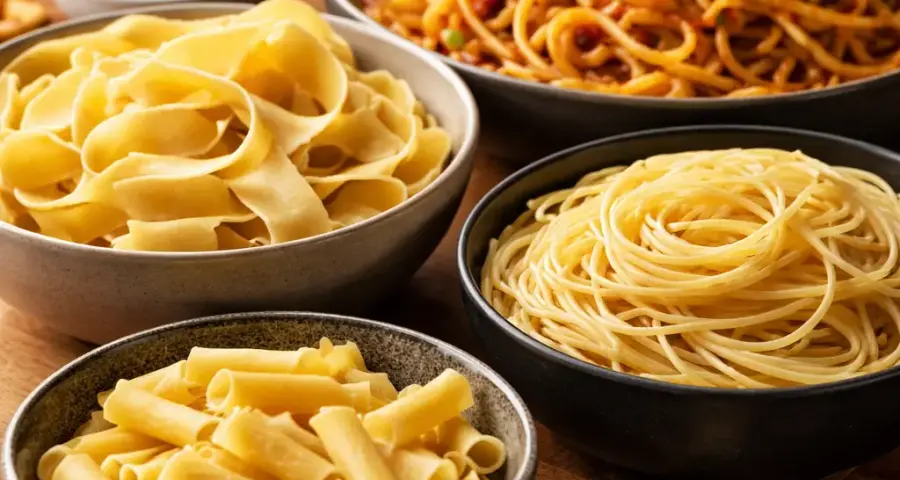
Pappardelle is not a suggestion—it is the backbone of this fusion. Thin spaghetti or fettuccine will not trap the heavy mala sauce the same way. The wide, flat ribbons give the sauce something to cling to, and their slightly chewy texture stands up to the robust flavours. Always look for dried or fresh pappardelle; if you cannot find it, tagliatelle makes the next best substitute. But remember: spicy pasta recipe success starts with the right noodle.
2. Overcooking the Sichuan Peppercorns
Mala spice comes from two players: dried chillies for heat and Sichuan peppercorns for that signature numbing tingle. Many home cooks fry the Sichuan peppercorns on high heat, which burns their volatile oils and leaves a bitter, smoky taste rather than the clean, floral numbness you want. Toast them gently in a dry pan over medium-low heat for about 30 seconds, just until fragrant, then grind or pound them lightly. Your Malaysian Italian fusion pasta depends on that delicate balance.
3. Skimping on the Belacan
Belacan is the umami bomb in this dish. Some recipes suggest skipping it or using fish sauce as a substitute, but that misses the point. Kooky Plate’s version relies on the funky, concentrated shrimp paste to bridge the Italian and Malaysian worlds. Toast a thin slice of belacan in a dry pan until it becomes crumbly and aromatic—about two minutes on each side—then crumble it into your sauce. It will not taste “fishy” once combined with garlic, ginger, and a splash of lime.
4. Adding Too Much Liquid Too Early
Pasta water is a cook’s best friend, but dumping a whole ladle into the pan before the sauce has emulsified will leave you with a watery, separated mess. Cook your mala paste and aromatics first, then toss in the hot, drained pappardelle. Add pasta water a tablespoon at a time, tossing vigorously, until the sauce coats each ribbon like a silky glaze. The goal is a clingy sauce, not a soup.
5. Forgetting Acid Balance
Richness from the egg yolks in the pasta and the oil in the mala paste needs a bright counterpoint. A squeeze of calamansi lime or a splash of rice vinegar lifts the whole bowl. In Kooky Plate’s kitchen, they often finish the dish with a handful of fresh Thai basil and a wedge of lime on the side. That citrus hit makes the spicy pasta recipe feel lighter and moreish.
6. Overcomplicating the Garnishes
It is easy to turn a single dish into a salad bar. Stick to three or four elements: the pappardelle, the mala-belacan sauce, fresh herbs (Thai basil or coriander), and perhaps a sprinkle of crushed peanuts for crunch. Too many toppings crowd the palate and distract from the harmony you have worked to build. Simple garnishing is a hallmark of KL pasta guide wisdom.
7. Serving the Pasta Cold (or Lukewarm)
Pappardelle stiffens as it cools, and the mala oil congeals, turning your glorious creation into a clumpy, greasy plate. Warm your serving bowls in a low oven or with hot water before plating. Toss the pasta with the sauce just before serving, and eat immediately. If you are cooking for guests, have everything prepped so the final toss takes less than two minutes.
How to Build the Perfect Bowl: Step-by-Step Recipe
Now that you know what to avoid, here is a streamlined method that follows Kooky Plate’s approach. The ingredient list is short: pappardelle, dried red chillies, Sichuan peppercorns, belacan, garlic, ginger, soy sauce, sugar, calamansi limes, and fresh Thai basil.
Step 1: Toast and Grind the Mala Base
In a dry skillet, toast 10 dried red chillies (seeded for less heat) and 1 tablespoon of Sichuan peppercorns over low heat until fragrant—about 45 seconds. Let them cool, then grind to a coarse powder using a mortar and pestle or spice grinder.
Step 2: Toast the Belacan
Cut a 2-centimetre slab of belacan and toast it in a dry non-stick pan over medium heat for 2 minutes per side. Let it cool, then crumble or pound it into the mala powder.
Step 3: Bloom the Aromatics
Heat 2 tablespoons of neutral oil in the same skillet. Add 3 minced garlic cloves and a thumb-sized knob of grated ginger. Fry for 30 seconds until golden, then add your mala-belacan powder. Cook for another 20 seconds—do not let it burn.
Step 4: Cook and Emulsify
Add 1 tablespoon of soy sauce and 1 teaspoon of sugar. Toss in 200g of cooked, drained pappardelle. Drizzle in pasta water (about 4 tablespoons) while tossing vigorously until the sauce clings to every ribbon. Squeeze in half a calamansi lime and toss once more.
Step 5: Finish and Serve
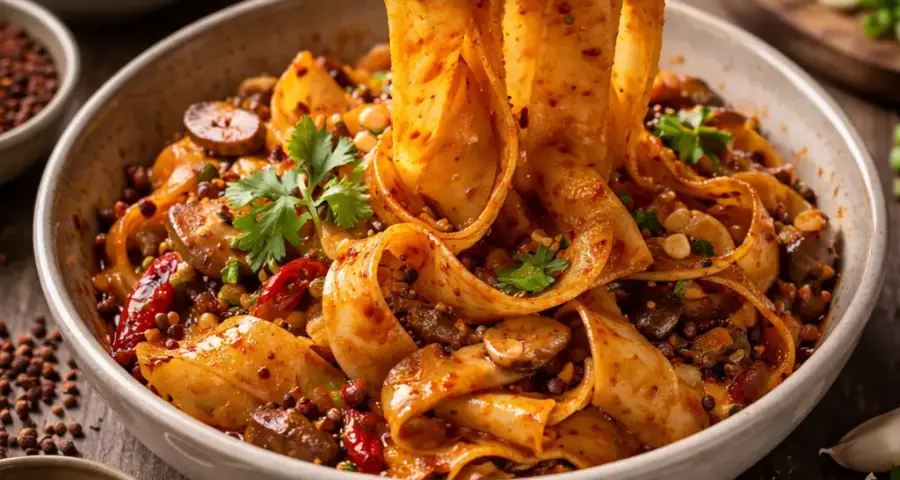
Plate immediately in warmed bowls, top with fresh Thai basil leaves and a pinch of crushed peanuts. Serve with extra lime wedges. That first bite should hit you with heat, then numbness, then a wave of savoury depth—exactly what a Mala-spiced pappardelle from Kooky Plate KL delivers.
Why This Fusion Works: The Magic of Mala + Belacan
Italian cuisine loves its gentle herbaceous notes—basil, oregano, parsley. Malaysian cooking, by contrast, is built on explosive contrasts: spicy, sour, salty, sweet, and funky all at once. The genius of Kooky Plate’s dish is that it does not force the two traditions into an uneasy truce. Instead, the mala’s numbing heat cleanses the palate after each rich, eggy bite of pappardelle, while the belacan adds a briny depth that echoes the Parmesan you might skip. It is not fusion for fusion’s sake; it is a thoughtful dialogue between two confident culinary voices.
Useful Resources
For more on Sichuan mala technique, consult the Serious Eats guide to Sichuan peppercorns. To explore other Malaysian-Italian fusion ideas, check out Makan Makan’s collection of fusion recipes.
Frequently Asked Questions About Kooky Plate KL Mala-Spiced Pappardelle Guide
What is mala-spiced pappardelle ?
It is a Malaysian Italian fusion pasta dish featuring wide pappardelle noodles tossed in a sauce made from Sichuan peppercorns, dried chillies, and belacan (fermented shrimp paste), creating a numbing, spicy, and umami-rich flavour profile.
Is Kooky Plate KL a restaurant or a delivery kitchen?
Kooky Plate KL operates as a specialty pop-up and delivery kitchen in Kuala Lumpur, known for its rotating menu of Malaysian Italian fusion dishes, with the mala-spiced pappardelle as a permanent favourite.
Can I make this dish vegetarian?
Yes, but you will need to replace the belacan with a vegetarian alternative such as soy sauce plus a pinch of kombu powder or a dash of mushroom seasoning to maintain the savoury depth.
Where can I buy Sichuan peppercorns in KL?
Look for them at Chinese grocery stores, Sunway Supermarket, or online shops like RedChilli Malaysia. Many spice vendors at wet markets also carry them.
Does the dish use fresh or dried pappardelle?
Fresh pappardelle is preferred for its silky texture and ability to absorb the sauce, but high-quality dried pappardelle works well if fresh is unavailable.
How spicy is the mala-spiced pappardelle on a scale of 1–10?
Most diners rate it between 7 and 8. The heat builds gradually thanks to the Sichuan peppercorn’s numbing effect, so it stays pleasant rather than punishing.
What is belacan and where do I find it?
Belacan is a block of fermented shrimp paste essential in Malaysian cooking. Find it at any grocery store in KL, such as AEON, Village Grocer, or your local pasar.
Can I use fettuccine instead of pappardelle?
You can, but fettuccine is narrower and may not hold the thick mala sauce as well. If substituting, undercook it slightly and toss with extra sauce to compensate.
Does the dish contain dairy?
No. The sauce relies on oil and pasta water for creaminess, so the dish is naturally dairy-free. Check your pappardelle ingredients to confirm no eggs if needed.
What happens if I skip the toasting step for Sichuan peppercorns?
Skipping the toasting results in a less aromatic, slightly raw flavour. The dish will still taste spicy, but you will miss the floral, citrusy notes that make mala unique.
How do I tone down the heat?
Reduce the number of dried chillies by half and use fewer Sichuan peppercorns. Add an extra squeeze of lime or a spoonful of coconut milk to mellow the spice without sacrificing complexity.
Is the dish gluten-free?
Standard pappardelle is made with wheat flour. For a gluten-free version, use rice pappardelle or wide rice noodles, which are widely available in KL.
What beer pairs well with mala-spiced pappardelle ?
A cold, light lager like a Tiger Beer or a crisp wheat beer cuts through the heat beautifully. Avoid heavy stouts or IPAs that can clash with the spicy notes.
Can I add protein like chicken or tofu?
Absolutely. Slices of grilled chicken or pan-fried tofu work well. Cook them separately and toss into the pasta during the final emulsification step.
How do I store leftovers?
Store in an airtight container in the fridge for up to 2 days. Reheat in a hot pan with a splash of water to revive the sauce; avoid microwaving, which dries out the noodles.
What other Malaysian Italian fusion dishes does Kooky Plate make?
Their menu has included rendang bolognese lasagna, sambal spaghetti with petai, and curry laksa risotto, always with a creative twist.
Do I need to use Thai basil, or can I use Italian basil?
Thai basil has a slight aniseed note that pairs better with mala flavours. Italian basil works in a pinch but use a smaller amount to avoid overpowering the dish.
What type of oil should I use for the sauce?
Use a neutral oil with a high smoke point, such as grapeseed, sunflower, or peanut oil. Avoid olive oil; its flavour competes with the mala and belacan.
Can I freeze the mala sauce?
Yes. Make the mala-belacan paste (without adding liquid), freeze it in a small container, and thaw when needed. Toss with freshly cooked pasta and pasta water.
Is the Kooky Plate KL Mala-Spiced Pappardelle available for delivery?
Yes, Kooky Plate KL offers delivery through their social media channels and partner apps. Check their Instagram for the latest order schedule and menu updates.