
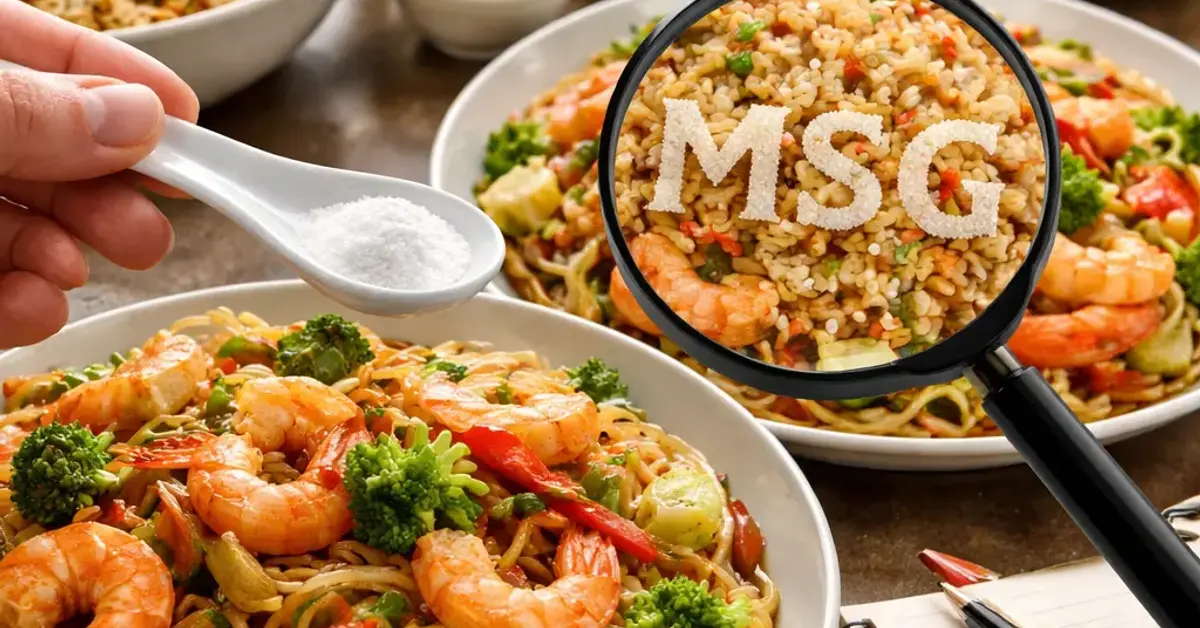
hidden MSG in dishes Key Takeaways
Monosodium glutamate (MSG) is a flavor enhancer that shows up under many aliases in restaurant meals and packaged foods.
- Learn the most common names for hidden MSG in dishes , from autolyzed yeast to hydrolyzed protein.
- Discover which cuisines and menu items are most likely to contain added MSG.
- Get a practical script for what to ask restaurant staff so you can order with confidence.
Why hidden MSG in dishes Matters for Dining Out
Many diners want to avoid MSG due to personal sensitivities or dietary preferences. Yet the additive hides behind more than a dozen different names on ingredient lists and menu descriptions. Without knowing what to look for, you could accidentally consume it even in dishes advertised as “no MSG added.” For a related guide, see Best Value Dishes: 7 Most Filling Meals for Your Money.
Understanding the terminology used by food manufacturers and restaurant kitchens changes the way you read labels and talk to waitstaff. It also helps you enjoy meals out without second-guessing every bite.
The Difference Between Natural and Added MSG
Some foods naturally contain glutamates, such as tomatoes, Parmesan cheese, and mushrooms. Natural glutamates are not the same as the processed additive MSG. The concern for most people centers on the manufactured version that boosts savory flavor unnaturally.
When scanning menus, distinguish between ingredients known for natural umami and ingredients that signal added MSG. This nuance helps you avoid unnecessary restrictions while still steering clear of the additive.
10 Ways to Identify hidden MSG in dishes
Use these practical strategies to detect MSG whether you are reading a menu, scanning a packaged ingredient list, or chatting with your server.
1. Look for Aliases on Ingredient Labels
MSG rarely appears under its full name. Manufacturers use terms such as hydrolyzed vegetable protein, autolyzed yeast extract, and sodium caseinate. Each of these contains processed free glutamic acid, the active component of MSG.
Common alias ingredients to memorize:
- Hydrolyzed protein (soy, corn, wheat, or yeast)
- Autolyzed yeast extract
- Calcium caseinate or sodium caseinate
- Yeast extract or torula yeast
- Glutamic acid or glutamate
- Maltodextrin (often carries MSG)
- Natural flavor (can include MSG)
2. Watch for “No MSG Added” Language
Restaurants and packaged foods can legally claim “no MSG added” even if they use ingredients like hydrolyzed protein or yeast extract. The claim only means they did not add pure MSG powder. The hidden glutamates from those ingredients still affect your meal.
When you see that label, ask staff directly whether any ingredient contains processed free glutamic acid, not just whether they added MSG by name.
3. Recognize High-Risk Cuisines and Dishes
Certain cuisines rely heavily on flavor enhancers that may contain MSG. Chinese takeout, American fast food, packaged soup mixes, and flavored snack foods are frequent culprits. But don’t stop there — upscale restaurants also use stocks, bouillons, and seasoning blends that include MSG.
Specific dishes to double-check:
- Deep-fried appetizers (seasoning mixes often contain MSG)
- Gravies, sauces, and dipping cups
- Marinated proteins (many restaurant marinades include hydrolyzed protein)
- Salad dressings and flavored oils
4. Inspect the Fine Print on Menu Descriptions
Menu language matters. Words like “umami,” “savory blend,” “house seasoning,” or “proprietary spice mix” may hide MSG. When a description sounds intentionally vague about how flavor is achieved, that is a good cue to ask.
5. Ask About Stock and Broth Bases
Soups, stews, and braised dishes often start with a commercial base powder or liquid concentrate. Even from-scratch kitchens sometimes use these shortcuts for consistency. Request a plain version or ask whether the house stock contains any added glutamates.
6. Choose Fresh over Processed
Whole foods that haven’t been processed rarely contain added MSG. Stick to simple grilled proteins, plain steamed vegetables, and fresh salads with oil and vinegar dressing. The more steps between harvest and your plate, the greater the chance of additives. For a related guide, see 10 Smart Keto Orders at Kooky Plate KL (Dishes to Avoid).
7. Check Bottled Sauces and Condiments
Soy sauce, fish sauce, Worcestershire sauce, and many hot sauces naturally contain glutamates or have MSG added. If your dish comes with a sauce on the side, request it unsauced and add your own from a brand you trust.
8. Know the Government Labeling Loopholes
The FDA allows manufacturers to list “spices” and “natural flavors” without breaking down individual components. Because MSG can hide in those categories, you cannot rely on the ingredient list alone. Only direct questions to the kitchen will give you certainty.
9. Use Apps and Reference Cards
Several smartphone apps let you scan barcodes and flag ingredients that may contain MSG. Print a small reference card with common MSG aliases and keep it in your wallet. This makes restaurant conversations smoother and quicker.
10. Trust Your Body’s Reaction
If you regularly experience headaches, flushing, or digestive discomfort after eating out, take note. Even without confirming the presence of MSG on the menu, your physical response is a valuable signal. Keep a food diary to identify patterns and then adjust your ordering strategy accordingly.
What to Ask Restaurant Staff About hidden MSG in dishes
Asking the right questions turns a vague answer into useful information. Use these scripts to get clear responses from servers and kitchen staff.
Start with Specifics, Not Generalizations
Instead of “Does this contain MSG?” ask: “Does your kitchen use any ingredient that contains processed free glutamic acid, such as hydrolyzed protein, autolyzed yeast extract, or seasoning blends?”
This question makes it clear you know the loopholes and expect a thorough answer.
Ask About Preparation Methods
Request simple modifications: “Can you prepare my chicken with just salt, pepper, and oil — no seasoning blends or marinades?” Most kitchens can accommodate this if you ask politely.
Confirm with the Kitchen When Needed
If your server seems unsure, ask them to check with the chef. A good restaurant will appreciate your attention to detail rather than treat it as an inconvenience.
Follow Up on Broths, Bases, and Stocks
For soup or braised dishes, ask: “Is your chicken broth made from scratch, or do you use a powdered or concentrated base?” This often reveals hidden MSG even at nicer restaurants.
Double-Check Salad Dressings and Sauces
Request oil and vinegar instead of house dressing. Or ask: “Does your balsamic vinaigrette contain any soy or hydrolyzed protein?” Most house dressings are safer when made fresh without bottled mixes.
Common Misconceptions About hidden MSG in dishes
A few myths persist that can confuse even careful diners. Let’s clear them up.
“Natural Flavors Are Always Safe”
Natural flavors can include MSG because the FDA defines “natural flavor” as any substance derived from plant or animal sources that imparts flavor. That category includes glutamic acid. Always ask for specifics.
“A Clean Menu Means No MSG”
“Clean eating” or “farm-to-table” menus still use seasoning blends, bases, and sauces that may contain MSG. The movement focuses on whole ingredients, but the kitchen logistics often still involve processed shortcuts.
“MSG Only Appears in Chinese Food”
This stereotype is outdated. MSG appears in packaged snacks, fast food burgers, canned soups, and even some pasta sauces. It is ubiquitous in processed food across all cuisines.
Useful Resources
For a deeper dive into FDA labeling rules and MSG classification, visit the FDA’s official Q and A on Monosodium Glutamate. This resource explains what counts as added MSG and what doesn’t.
For a comprehensive list of MSG aliases and common food categories that contain it, refer to the Truth in Labeling Campaign’s hidden sources page. It offers a downloadable reference card for your wallet.
Frequently Asked Questions About hidden MSG in dishes
What is the most common hidden name for MSG?
Hydrolyzed vegetable protein is one of the most frequent hidden names, along with autolyzed yeast extract and sodium caseinate.
Can a restaurant claim “no MSG” if it uses hydrolyzed protein?
Yes, because the claim only refers to pure MSG powder, not ingredients that naturally produce glutamic acid during processing.
Does soy sauce contain hidden MSG ?
Most soy sauce contains naturally occurring glutamates from the fermentation process, and some brands also add MSG directly. Check the label for “monosodium glutamate” or “autolyzed yeast.”
Is MSG the same as salt?
No. MSG is the sodium salt of glutamic acid, but its flavor profile is savory (umami) rather than salty. It contains about one-third the sodium of table salt.
How can I tell if a packaged snack has hidden MSG ?
Scan the ingredient list for any variant of “hydrolyzed,” “autolyzed,” “caseinate,” “yeast extract,” or “glutamate.” Also check “natural flavor” because it can hide MSG.
Are there any cuisines that rarely use MSG?
Cuisines that emphasize fresh herbs and simple preparations, such as some Mediterranean or traditional Japanese cooking, tend to use less or no added MSG. But always confirm with the kitchen.
Does “natural flavor” always contain MSG?
No, but it can, because the FDA allows MSG to be categorized as a natural flavor when derived from plant or animal sources.
What should I ask the server to be sure?
Ask: “Does your kitchen use any ingredient that contains processed free glutamic acid, such as hydrolyzed protein, autolyzed yeast, or seasoning blends?”
Can I request a dish without any seasoning blends?
Yes, most restaurants will prepare your meal with only salt and oil if you ask politely. This is one of the safest workarounds.
Does cheese contain hidden MSG ?
Aged cheeses like Parmesan and Roquefort contain natural glutamates, not added MSG. Processed cheese products often include added MSG in the ingredients.
Is maltodextrin a form of hidden MSG ?
Maltodextrin itself is not MSG, but it is often used as a carrier for MSG in seasoning blends and powders. If you see maltodextrin near other suspicious ingredients, MSG may be present.
What is the difference between natural and added glutamates?
Natural glutamates occur in whole foods such as tomatoes and mushrooms. Added glutamates are processed forms like MSG that are manufactured and incorporated into products.
Are children more sensitive to hidden MSG ?
Some children may react to MSG with symptoms like headaches or digestive issues, but sensitivity varies widely. Observing your child’s reactions after meals can help guide your choices.
Can I trust “MSG-free” labels on packaged foods?
“MSG-free” is not regulated, so any brand can use that label. Always read the ingredient list carefully to confirm the absence of MSG aliases.
How long should I wait to see if a dish caused a reaction?
Reactions to MSG can appear within minutes to a few hours after eating. Headache, flushing, or a feeling of pressure in the face are common reported symptoms.
Do fast food chains typically use hidden MSG ?
Many fast food chains use seasoning blends, sauces, and marinades that contain MSG or its aliases. Chicken nuggets, fries, and burger sauce are frequent sources.
Does organic food contain hidden MSG ?
Organic certification restricts certain synthetic additives, but MSG can still appear in organic products as natural flavor or autolyzed yeast extract.
How do I handle waitstaff who don’t know the ingredients?
Politely ask them to check with the chef. Trained kitchen staff can usually answer questions about specific ingredients and preparation methods.
What is the best way to avoid hidden MSG at a catered event?
Contact the caterer at least 48 hours in advance and request plain grilled protein and steamed vegetables with no sauces or seasoning blends.
Is there a home test for hidden MSG ?
No reliable home test exists for MSG. The most effective method is learning the alias names and asking direct questions when dining out.