
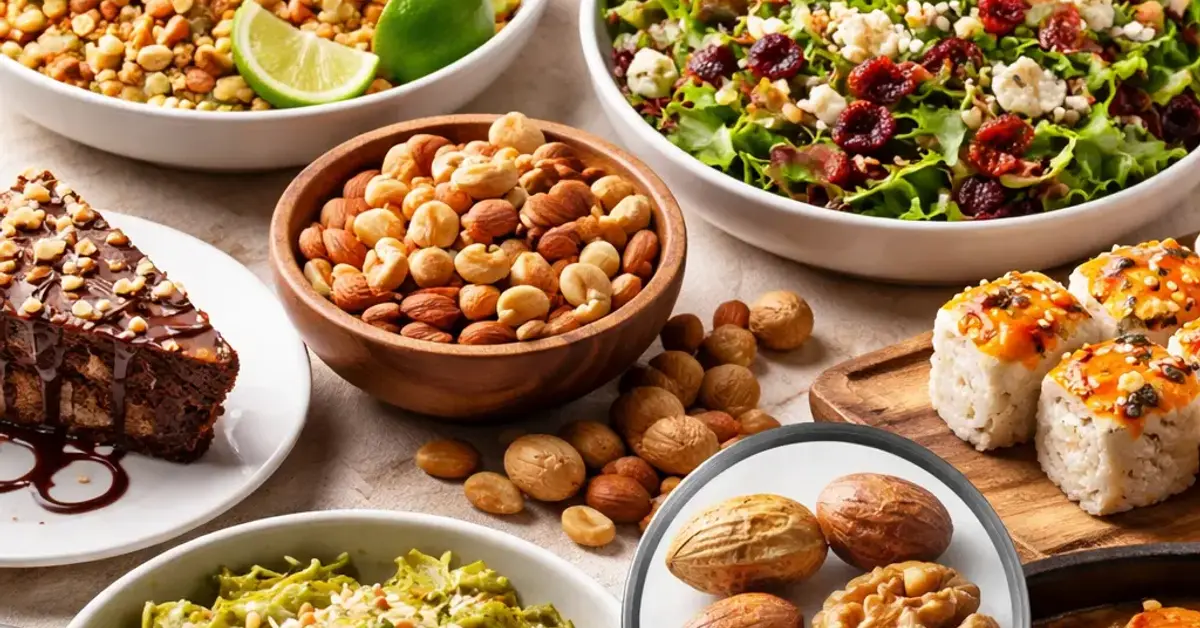
Nut Allergy Guide Key Takeaways
Tree nut and peanut allergies affect millions worldwide, and reactions can range from mild itching to life-threatening anaphylaxis.
- Six cuisine categories with high nut cross-contamination risk , plus specific dishes to watch for.
- Hidden nut sources in unexpected places—sauces, spice blends, and even deli meats.
- Expert tips for communicating your Nut Allergy Guide to restaurant staff and decoding ingredient labels.
Why a Nut Allergy Guide Matters for Safe Dining
Tree nut and peanut allergies affect millions worldwide, and reactions can range from mild itching to life-threatening anaphylaxis. The challenge is that nuts appear not only in obvious dishes but also as hidden ingredients in sauces, dressings, and even spice mixes. For anyone managing a nut allergy, understanding which foods present the highest risk for nut cross-contamination risk is essential. This guide breaks down the most common dishes by cuisine, highlights hidden sources, and provides actionable safety tips. For a related guide, see Hidden MSG: 10 Easy Ways to Spot It and What to Ask Staff.
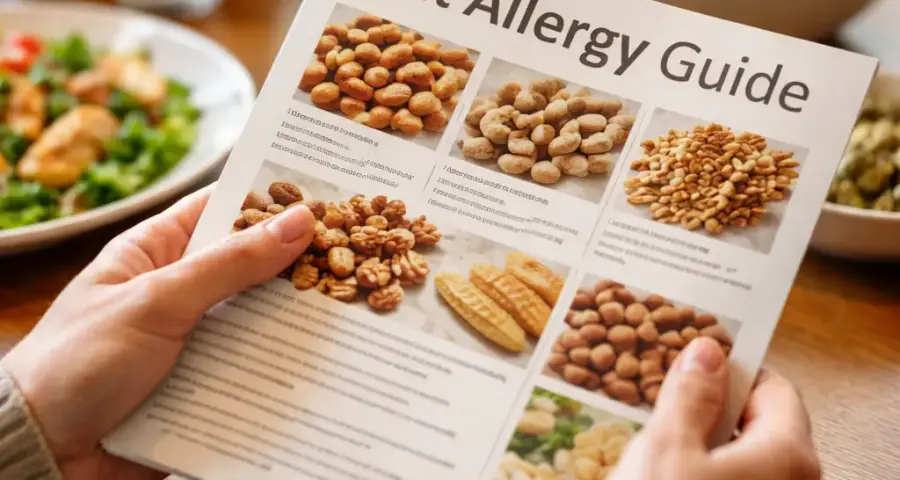
Asian Cuisine: A High-Risk Zone for Nut Allergy
Asian restaurants are notorious for using nuts as core ingredients. Peanuts, cashews, and almonds appear in everything from stir-fries to dipping sauces. Cross-contamination is also a major concern because many kitchens use the same woks, oil, and utensils for multiple dishes.
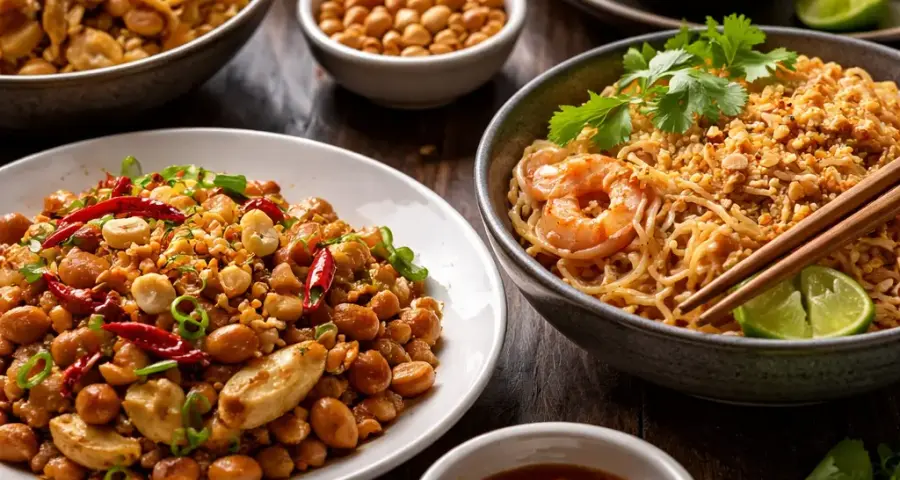
Thai Curries and Stir-Fries
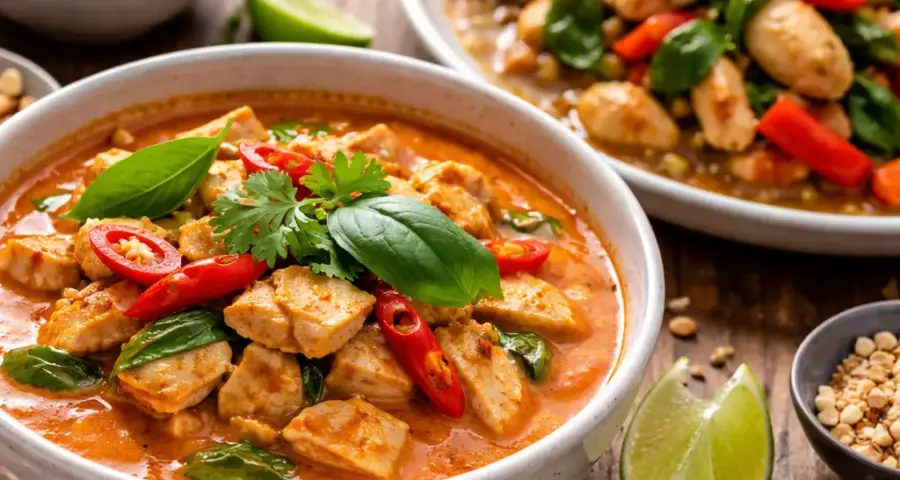
Thai green curry, massaman curry, and pad thai typically contain crushed peanuts or peanut sauce. Even if you order a dish without visible nuts, the wok may have been used to cook a peanut-laden stir-fry earlier. Always ask if the restaurant can prepare your meal in a separate, clean pan.
Chinese Kung Pao and Sichuan Dishes
Kung Pao chicken is famous for peanuts, but many Sichuan dishes also use peanut oil or ground peanuts as a thickening agent. Even hot-and-sour soup sometimes contains crushed peanut garnish. Requesting a nut-free version is possible at some restaurants, but cross-contamination is still a risk.
Indian Gravies and Chutneys
Indian cuisine relies heavily on cashew paste, almond flour, and peanut oil in curries like korma, pasanda, and biryani. Also, chutneys such as tamarind-date chutney may contain ground peanuts. Always specify your allergy and ask if the chef can substitute coconut milk or yogurt as a base. For a related guide, see 7 Easy Egg-Free Breakfast Ideas That Are Surprisingly Delicious.
Mediterranean and Middle Eastern Dishes With Nuts
Mediterranean food is often perceived as healthy and fresh, but nuts play a starring role in many signature dishes. Pistachios, pine nuts, walnuts, and almonds are common, and cross-contamination can occur in busy kitchens.
Baklava and Other Pastries
Baklava, the iconic layered pastry, is almost always filled with chopped walnuts or pistachios. Other desserts like knafeh and maamoul also contain nut fillings. Bakeries often use the same trays and brushes for all pastries, so even a plain-looking piece may have picked up traces of nut.
Hummus and Tahini
Traditional hummus is chickpea-based, but many restaurants serve it garnished with pine nuts or a swirl of tahini that may be processed in a facility that also handles tree nuts. Additionally, some hummus recipes add ground almonds for texture. Always verify the ingredient list.
Stuffed Grape Leaves and Dolmas
While the filling of rice and herbs is usually nut-free, some regional variations include pine nuts or chopped almonds. If you’re ordering from a buffet, be aware that serving spoons can easily cross-contaminate dishes.
Baked Goods and Desserts: Hidden Nut Cross-Contamination Risk
Bakeries are a minefield for people with nut allergies. Even items that don’t list nuts in the ingredients can be contaminated because the same mixers, ovens, and display cases hold nut-filled items.
Cakes, Cupcakes, and Pastries
Chocolate cake often contains almond meal, and fruitcakes are packed with walnuts. Mass-produced baked goods are especially risky because manufacturers use shared equipment. Even a simple loaf of banana bread may be baked on trays that previously held pecan muffins.
Cookies and Granola Bars
Peanut butter cookies are obvious, but even seemingly plain sugar cookies can be made with almond flour or put on the same baking sheet as nut-studded cookies. Granola bars and trail mixes are also high-risk unless they are certified nut-free.
Ice Cream and Frozen Desserts
Ice cream parlors frequently use the same scoop for nut-flavored and plain flavors. Additionally, many premium ice creams include nut pieces or are swirled with praline or pistachio paste. Soft serve machines can also harbor nut particles if not thoroughly cleaned between uses.
Salads and Dressings: Unexpected Nut Sources
Salads are often considered a safe choice, but dressings and toppings can contain hidden nuts. Walnut oil and almond slivers are common additions, and pre-made vinaigrettes may use peanut oil as a base.
Caesar Salad
Traditional Caesar dressing uses anchovies and parmesan, but many restaurants add crushed pine nuts for extra texture. Also, croutons may be made with nut oils. Ask for dressing on the side and request plain croutons.
Asian-Inspired Salads
Sesame ginger dressing often contains peanut oil or tahini. Crispy noodle toppings may be fried in peanut oil, and the salad itself could be garnished with candied walnuts or sliced almonds. Request a simple oil-and-vinegar dressing instead.
Pre-Packaged Salad Mixes
Store-bought salad kits frequently include almond slivers, candied pecans, or croutons that contain nut flour. Always read the full ingredient list, not just the “contains” statement, because manufacturers sometimes reformulate without notice.
Mexican and Latin American Dishes
While peanuts are less common in traditional Mexican cooking than in Asian food, they do appear in mole sauces and some desserts. Cross-contamination is also possible in restaurants that fry chips and tortillas in the same oil used for peanut-battered items.
Mole Sauce
Mole poblano usually contains ground peanuts or almonds along with chili and chocolate. Even a small amount can trigger a reaction. Many restaurants prepare mole in large batches and use the same pot for other sauces.
Tamales and Empanadas
Some regional tamales are filled with sweetened coconut and peanut paste. Empanadas may be brushed with egg wash that contains peanut oil. Always check the filler ingredients before ordering.
Fried Fish and Churros
In some Latin American eateries, the frying oil is a blend that includes peanut oil. Churros often share the same oil as churro bites with peanut filling. The chance of nut cross-contamination risk in a shared fryer is very high.
Hidden Sources of Nuts and Cross-Contamination Risk
Beyond the dishes themselves, nuts can hide in less obvious places. Spice blends, cooking oils, and even packaging materials can introduce allergens.
Spice Mixes and Seasoning Blends
Curry powder, garam masala, and chili seasoning are often processed in facilities that handle peanuts and tree nuts. Some manufacturers add ground almonds or peanut flour as a bulking agent. Buy single-origin spices from reputable brands that disclose allergen risks.
Cooking Oils and Frying Fat
Peanut oil is a common frying medium in many commercial kitchens, including fast-food chains. Even if a menu item is nut-free, the oil it’s cooked in may have been used for nut-coated chicken or fish. The risk of nut cross-contamination risk in shared frying oil is extremely high.
Sauces, Gravies, and Marinades
BBQ sauce, Worcestershire sauce, and even ketchup can contain peanut butter or almond meal. Many Thai restaurants add peanut paste to dipping sauces for spring rolls. Always request plain sauces or ask for the ingredient list.
Deli Meats and Cheese
Some artisan cheeses are aged in nut leaves (like chestnut or walnut leaves), and some deli meats are glazed with honey that contains nut extracts. The slicer used for these items can also transfer traces to your order.
Safety Tips for Dining Out and Reading Labels
Confidently navigating a nut-filled world requires a proactive approach. These tips will help you minimize your nut cross-contamination risk while still enjoying meals out. For a related guide, see 7 Smart Tips for Requesting Gluten-Free or Low-Carb Substitutions.
Communicate Clearly With Restaurant Staff
Always mention your nut allergy at the start of the meal, not just when ordering. Ask to speak with the chef or manager if possible. Use a chef card that lists your allergies in the local language when traveling. Request that your meal be prepared in a separate, clean area with fresh utensils and oil.
Read Ingredient Labels Like a Pro
Look beyond the “Contains: Tree Nuts” statement. Check the ingredient list for words like “almond,” “cashew,” “pecan,” “walnut,” “pistachio,” “macadamia,” “hazelnut,” and “pine nut.” Also watch for less obvious terms: “marzipan” (almond paste), “praline” (nut-based), “gianduja” (chocolate with hazelnut), and “açai” (sometimes processed with nuts).
Choose Certified Nut-Free Products
Look for logos from organizations like FARE (Food Allergy Research and Education) or certifications such as “Certified Gluten-Free” that also indicate nut-free production. Brands like Enjoy Life, MadeGood, and SunButter are known for strict allergen controls.
Prepare a Backup Plan
Carry two epinephrine auto-injectors at all times. Make sure friends and family know how to use them. Wear a medical alert bracelet that lists your allergy. Having a written emergency plan gives you peace of mind.
Useful Resources
For more information on managing nut allergies and understanding food labels, visit FARE (Food Allergy Research and Education). To check for nut contamination in specific products, the American Academy of Allergy, Asthma and Immunology offers an Ask the Expert feature.
Frequently Asked Questions About Nut Allergy Guide
What is the most common dish that contains hidden nuts?
Pad Thai is a top culprit because many restaurants use peanut sauce and crushed peanuts as a garnish, and cross-contamination is common from shared woks.
Can I eat French fries if I have a nut allergy ?
It depends on the oil used. Many fast-food chains fry French fries in peanut oil, which can pose a nut cross-contamination risk unless the restaurant uses a dedicated fryer.
Is hummus safe for nut allergy sufferers?
Traditional hummus is made from chickpeas and tahini, but some restaurant versions add pine nuts or almond butter. Always ask the chef before ordering.
What are the hidden sources of nuts in baked goods?
Common hidden sources include almond flour, walnut oil, hazelnut paste, marzipan, and praline filling. Even flourless chocolate cake often uses almond meal.
Do all Asian restaurants use peanuts?
Not all, but many cuisines like Thai, Chinese, Indian, and Vietnamese use peanuts, cashews, or almond paste in sauces, curries, and desserts.
How can I reduce nut cross-contamination risk at home?
Use separate cutting boards, utensils, and toasters. Store nut-containing foods on a different shelf from nut-free items. Clean all surfaces and cookware thoroughly.
Is pesto safe for nut allergies?
Traditional pesto is made with pine nuts. You can find nut-free versions made with sunflower seeds or basil and olive oil, but always check the label.
Can I eat chocolate if I have a nut allergy ?
Only if it is certified nut-free. Many chocolate products are made on shared equipment with nut-containing candies. Look for brands like Enjoy Life or Equal Exchange.
Are nuts always listed on ingredient labels?
In many countries, food manufacturers must declare tree nuts and peanuts in the ingredient list, but they are not required to mention cross-contamination risk. Always look for “may contain” statements.
What is the difference between peanut and tree nut allergy ?
Peanuts are legumes, while tree nuts (like almonds, walnuts, cashews) grow on trees. However, people with peanut allergy often need to avoid tree nuts due to cross-reactivity.
Do I need to avoid coconut if I have a tree nut allergy ?
Not usually. Coconut is a fruit and rarely triggers tree nut allergies, but some people with severe allergies choose to avoid it due to processing facility cross-contamination.
Is it safe to eat at buffets with a nut allergy ?
Buffets present a high nut cross-contamination risk because serving spoons can transfer nut particles between dishes. It is best to avoid buffets unless the venue offers a dedicated nut-free section.
Can I use peanut oil if I have a peanut allergy?
Highly refined peanut oil is generally considered safe because the protein is removed, but cold-pressed or unrefined peanut oil still contains allergenic proteins. Always consult your allergist.
What should I do if I accidentally eat a nut?
If you experience mild symptoms like itching or hives, take an antihistamine. If symptoms progress to difficulty breathing, swelling, or dizziness, use your epinephrine auto-injector and call emergency services immediately.
Are there nut-free alternatives for common sauces?
Yes. Use sunflower seed butter instead of peanut butter, pumpkin seed pesto instead of pine nut pesto, and tahini or avocado-based salad dressings instead of nut-oil based ones.
How do I find restaurants that cater to nut allergies?
Use apps like Spokin or AllergyEats, which let users rate restaurants on allergen safety. Call ahead and ask if the kitchen has a dedicated allergen-friendly protocol.
Can nuts be hidden in spice blends?
Absolutely. Curry powder, chili seasoning, and garam masala may contain ground nuts or be processed in shared facilities. Buy from brands that test for allergens.
Is it safe to eat at a bakery that uses nuts?
Only if the bakery offers a certified nut-free production line or dedicated nut-free days. Otherwise, even nut-free items are at risk of nut cross-contamination from shared equipment.
What is the best way to carry emergency medication?
Always carry two epinephrine auto-injectors in an easily accessible pouch or bag. Store them at room temperature (avoid extreme heat or cold). Check expiration dates monthly.
Do I need to avoid nut-flavored coffee or tea?
Natural nut flavorings (like almond extract) may not contain actual nut proteins, but artificial flavors are safer. Always check with the manufacturer if you have a severe allergy.