
gluten-free or low-carb substitutions Key Takeaways
Dining out or shopping for packaged foods while managing a dietary restriction often feels like navigating a minefield.
- Learn how to confidently request gluten-free or low-carb substitutions in any dining setting.
- Discover specific phrases and questions that get positive responses from staff.
- Understand common pitfalls and how to avoid hidden ingredients or cross-contamination.
Why gluten-free or low-carb substitutions can be tricky
Dining out or shopping for packaged foods while managing a dietary restriction often feels like navigating a minefield. Many people assume that a salad is safe for low-carb diets, only to discover it’s loaded with croutons and sugary dressing. Similarly, gluten-free requests can be met with blank stares or well-intentioned but incorrect substitutions, such as swapping wheat pasta for a gluten-free blend that’s still high in carbs. The key is knowing exactly what to ask and how to ask it.
Why communication matters more than you think
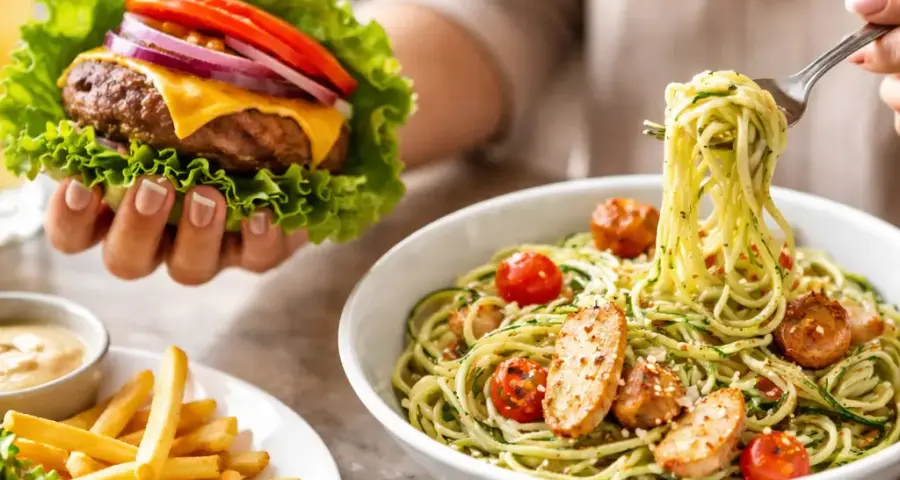
Restaurant staff encounter dietary requests daily, but not all are trained to handle them properly. A clear, polite question helps them understand your needs and often leads to better accommodations. For example, instead of saying “I’m on keto,” you might ask, “Can I replace the potatoes with extra steamed vegetables?” This specificity makes it easier for the kitchen to say yes.

7 Smart Tips for Requesting gluten-free or low-carb substitutions
Tip 1: Research the menu beforehand
Before you step into a restaurant, check the menu online. Many establishments now mark gluten-free or low-carb options with icons or notes. If a menu says “Ask your server about modifications,” that’s your cue to prepare. Write down two or three dishes that look adaptable, and bring a short question list with you. This preparation saves time and reduces on-the-spot anxiety.
Tip 2: Use positive, collaborative language
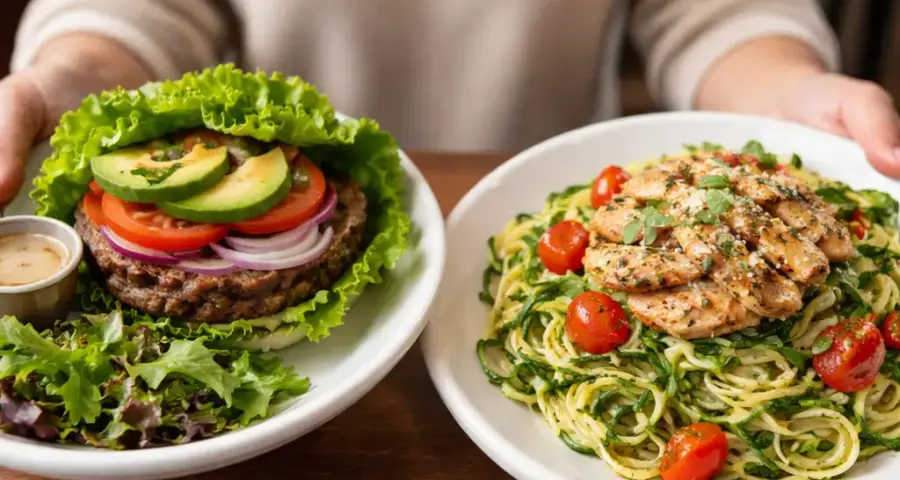
The tone of your request sets the stage. Instead of saying “I can’t eat this,” try “Could you help me find a version of this dish that works for my diet?” This invites cooperation. For instance, at a burger joint, say, “I’d love the bacon cheeseburger—could you serve it lettuce-wrapped instead of a bun?” Most servers will happily note this for the kitchen.
Tip 3: Be specific about ingredients to avoid
General phrases like “I’m gluten-free” can be too vague. Instead, list specific items: “Please no bread, pasta, flour, or soy sauce” (which often contains wheat). For low-carb, you might say, “I need to avoid rice, potatoes, bread, and sugary sauces.” This clarity helps the kitchen avoid common hidden sources like malt vinegar or sweet glazes. For a related guide, see Secret Menu Items: 7 Expert Tips to Uncover Hidden Specials.
Tip 4: Ask about preparation methods, not just ingredients
Even if a dish is made with gluten-free or low-carb ingredients, how it’s prepared matters. Fried items may share a fryer with breaded foods, and grilled meats might be brushed with a flour-based marinade. A simple question like “Is the grilled chicken prepared on a separate surface from the breaded items?” can prevent a reaction.
Tip 5: Confirm substitutions before ordering
Always confirm the substitution aloud before the server walks away. For example, “Just to double-check, my order will be the salmon with no teriyaki sauce, and instead of rice, I’ll get extra asparagus. Correct?” This reduces miscommunications and gives the server a chance to confirm with the kitchen if needed.
Tip 6: Carry backup options for social situations
At parties or work events, you can’t always rely on the host to accommodate. Pack a small bag with portable snacks like nut packs, cheese crisps, or single-serving nut butters. If the main dish isn’t safe, you can discreetly supplement without making a fuss. This also helps you avoid the temptation of eating something that compromises your health goals.
Tip 7: Follow up with a thank-you—and a tip if service was excellent
When the kitchen gets it right, acknowledge it. A simple “Thank you for taking my request seriously” encourages the staff to continue offering good accommodations. If you dine at a place that excels at gluten-free or low-carb substitutions, consider leaving a positive review mentioning that specific staff member. This helps other diners and rewards the business for its effort.
Real-World Examples of Successful Substitutions
Let’s look at how these tips apply in different settings.
At an Italian restaurant
You order spaghetti Bolognese but need gluten-free pasta. Instead of assuming they have it, ask: “Do you have a gluten-free pasta option? If so, can you substitute it in the spaghetti Bolognese?” Many Italian spots now offer brown rice or quinoa pasta. If they don’t, ask if they can serve the sauce over sautéed spinach instead—a low-carb twist that works beautifully.
At a fast-casual chain
Most chains like Chipotle or Sweetgreen allow you to build your own bowl. For low-carb, skip the rice and beans, double the greens or cauliflower rice, and ask for guacamole instead of cheese. For gluten-free, verify that the tortillas or wraps are 100% corn-based and not flour. Many chains have online allergen guides you can check in advance.
At a friend’s house
When invited for dinner, call ahead or text: “I’m so excited to share a meal with you! I’m currently eating low-carb—would it be helpful if I brought a vegetable dish to share?” This makes the host feel helped rather than burdened. Often, they’ll adjust the main dish slightly if they know you’re coming.
Common Mistakes to Avoid When Requesting Substitutions
Assuming a dish labeled “gluten-free” is always low-carb
A gluten-free brownie is still packed with sugar and carbs. Similarly, a gluten-free pizza crust can have as many carbohydrates as a regular one. Always check the full nutrient profile if you are restricting both gluten and carbs.
Not checking for hidden gluten in condiments
Soy sauce, teriyaki sauce, marinades, salad dressings, and even some spice blends can contain gluten. Always ask, “Can you tell me what’s in the vinaigrette?” or request olive oil and vinegar instead.
Relying on the waiter’s understanding without verifying
Even the most helpful server can make a mistake. If you have celiac disease or a severe allergy, politely ask them to confirm with the chef. A phrase like “Could you please check with the kitchen to be sure? I have a serious allergy” usually gets immediate attention.
How to Handle Difficult Situations Gracefully
Sometimes the restaurant cannot accommodate your request. Maybe they have limited ingredients or a policy against substitutions. In that case, order something simple that meets your needs: a plain grilled protein with a side of steamed vegetables, for example. Smile, thank the server, and decide later whether to return. Pushing too hard can sour the dining experience for everyone at the table.
Useful Resources
For a deeper dive into gluten-free dining, visit the National Celiac Association’s guide to dining out. For low-carb meal planning and substitution ideas, check out DietDoctor’s practical low-carb resources.
Frequently Asked Questions About gluten-free or low-carb substitutions
What is the difference between gluten-free and low-carb substitutions ?
Gluten-free substitutions remove any ingredient containing gluten (wheat, barley, rye), but they can still be high in carbohydrates. Low-carb substitutions focus on reducing total carbohydrate intake, often by replacing grains and starches with vegetables or alternative proteins.
Can I request both gluten-free and low-carb substitutions at the same restaurant?
Absolutely. Just be specific. For example, ask for a lettuce-wrapped burger with a gluten-free bun option (some restaurants carry low-carb gluten-free buns). If not, go with the lettuce wrap and add extra toppings.
How do I ask for gluten-free substitutions at a pizza place?
Call ahead or ask if they offer a gluten-free crust. For low-carb, some pizzerias allow a crustless pizza bowl or a cauliflower crust. Confirm that toppings and sauces are also gluten-free.
What should I say to a server if I’m not sure a dish is safe?
Use a direct but polite question: “Could you please check with the chef if this dish contains any gluten or added sugars?” This gives the server permission to investigate without feeling pressured.
Are gluten-free substitutions always healthier?
Not necessarily. Many gluten-free products replace wheat with refined starches and sugar, which can be higher in calories and carbohydrates. Always read labels or ask about ingredients.
How do I request low-carb substitutions at a fast-food drive-thru?
Ask for a lettuce wrap instead of a bun, or order a burger without the bun and request a fork. At taco places, get a bowl instead of tortillas. Many chains now list low-carb modifications on their app.
What if the restaurant charges extra for substitutions?
Some restaurants charge a small fee for substitutions. If you’re comfortable, pay the fee or ask if a simple swap (like extra veggies instead of fries) is complimentary. If not, consider whether the meal is worth the cost.
How do I handle a situation where the server seems annoyed by my request?
Stay calm and polite. Say, “I understand this might be an extra step; thank you for helping me.” Servers respond better to kindness than frustration.
Is it safe to eat gluten-free foods if I don’t have celiac disease?
Yes, many people choose gluten-free eating for digestive comfort or other health reasons. Just ensure you still get enough fiber and nutrients from whole foods.
Can I request gluten-free substitutions at a bakery?
Some bakeries offer gluten-free options, but cross-contamination risk is high. If you need a strict gluten-free environment, look for a dedicated gluten-free bakery.
What is the best way to ask for low-carb substitutions when ordering online?
Use the special instructions box to write: “Please replace rice with extra steamed vegetables. No sugary sauces. Thank you!” Keep it clear and concise.
Do airlines offer gluten-free or low-carb meal options?
Many airlines offer gluten-free meals if you request them 24–48 hours before the flight. Low-carb meals are less common, but you can bring your own snacks.
How do I know if a sauce contains hidden gluten or sugar?
Ask the server for the ingredient list or request simple alternatives like olive oil, lemon juice, vinegar, or mustard. Most kitchens can accommodate these.
What are some common low-carb substitutes for pasta?
Zucchini noodles (zoodles), spaghetti squash, shirataki noodles, and konjac noodles are popular low-carb pasta alternatives. Many restaurants now offer these options.
How can I make sure my coffee order is low-carb?
Order an Americano, black coffee, or latte with unsweetened almond or coconut milk. Ask for sugar-free syrup if available. Avoid flavored creamers that often contain sugar. For a related guide, see 7 Best Sugar-Free Syrup Options for Coffee: Proven Guide.
What is cross-contamination and why does it matter for gluten-free?
Cross-contamination happens when gluten-free food touches surfaces or utensils that have touched gluten. For people with celiac disease, even trace amounts can trigger symptoms. Ask if the restaurant uses separate preparation areas.
Can I ask for gluten-free substitutions at a buffet?
Yes, but it’s trickier. Ask the chef to prepare a fresh portion from the back if buffet trays may have cross-contamination. Stick to items clearly labeled gluten-free.
What should I do if my substitution request is denied?
Politely accept and order something plain that fits your needs. If it’s a recurring issue, contact the restaurant manager later or choose a different venue next time.
How do I train myself to ask confidently for substitutions?
Practice with a friend or write short scripts before dining out. The more you do it, the easier it becomes. Remember that most restaurants want you to enjoy your meal and are willing to help.
Are there any apps that help find restaurants with gluten-free or low-carb options?
Yes, apps like Find Me Gluten Free and Yelp (using dietary filters) can help you locate restaurants that accommodate specific dietary needs. Low-carb apps like Carb Manager also include restaurant guides.