
lost and found guide Key Takeaways
Whether you misplaced your phone on a train or left a favorite jacket at a cafe, this lost and found guide walks you through five proven steps to recover your items fast — plus practical tips to keep them safe next time.
- Act quickly, retrace your steps, and contact lost and found departments immediately — most items are reunited within the first 24 hours.
- Use digital tools like tracking tags, location history, and social media to speed up the search process.
- Prevent future loss with simple habits: designated pockets, checklists, and backup plans.
Why Everyone Needs a Lost and Found Guide
It starts with that sinking feeling — you pat your pocket, glance at the empty chair, or realize the weight in your bag is missing. A moment of panic. Then the frantic search. Losing something important doesn’t just cost money; it steals time and peace of mind. According to a 2023 survey by the travel insurance company Allianz, roughly 10 million airline passengers lose luggage each year, and the number of smaller personal items left behind is far higher.

But here’s the good news: most lost items are found again. Airports, hotels, and transit authorities return over 80% of recovered belongings to their owners — if the right steps are taken quickly. This lost and found guide gives you a clear, calm path forward, whether you’ve left a wallet, laptop, phone, keys, or a sentimental keepsake.
What to Do If You Lose Something: The 5-Step Recovery Plan
When you realize something is missing, your brain goes into fight-or-flight mode. That adrenaline spike can make you rush and forget logical steps. Pause. Breathe. Then follow this structured recovery plan. The sooner you act, the higher your chances of recovering lost items.

Step 1: Retrace Your Steps Immediately
Think back to the last time you definitely had the item. Where were you? What were you doing? Walk through your day in reverse — mentally at first, then physically if possible. Check the places you visited in order: your car, your office desk, the coffee shop counter, the gym locker, the park bench. Most items are found within 50 feet of where they were dropped or left.

Pro tip: If you use a smartphone with location history (like Google Maps Timeline), pull it up immediately. It shows exactly where you were and when — a powerful tool for narrowing down the search area.
Step 2: Contact Lost and Found Departments Directly
Every major venue — airport, train station, hotel, museum, restaurant, rideshare company — has a dedicated lost and found process. Don’t rely on email alone; call or visit in person if possible. The human touch often speeds things up. Provide a detailed description: brand, color, serial number, any unique marks or contents.
Many institutions hold items for 30 days before donating or discarding them. Airline lost and found desks, for example, typically keep items for 90 days. The quicker you report, the less chance your item gets shuffled into bulk storage or lost entirely.
Step 3: Use Technology to Your Advantage
Your smartphone is your best recovery tool. Here’s how to use it:
- Find My Device (Apple or Android) — Locate your phone’s last known location, put it in Lost Mode, or trigger a sound even if it’s on silent.
- Tile, AirTag, or Chipolo — If you attached a tracking tag to your item beforehand, open the app and see its real-time location on a map.
- Social media — Post in local community Facebook groups, Nextdoor, or city-specific Reddit forums. Someone may have found it and reached out there first.
Tech won’t work if the item’s battery is dead or it’s out of Bluetooth range, but when it works, it’s often the fastest route to recovery.
Step 4: File a Police Report for Valuable Items
For items of high monetary or sentimental value — such as laptops, jewelry, passports, or cash — file a report with the local police department in the area where you lost it. This is especially important if you suspect theft. A police report creates an official record that can help with insurance claims, and some venues require it before releasing found items to you.
Bring any proof of ownership you have: receipts, photos, serial numbers, or warranty documents. This makes your claim stronger and faster.
Step 5: Check Online Marketplaces and Pawn Shops
If you believe your item was stolen rather than simply misplaced, scan online classifieds (Craigslist, Facebook Marketplace, eBay) and local pawn shops. Use specific keywords: your item’s brand, model, and serial number. Some police departments work with pawn shop databases to track stolen goods, but you can also call or visit shops in the area yourself.
A word of caution: never confront a seller directly or go to an unknown location alone. Contact the police first if you locate your item on a resale site.
How to Prevent Future Loss: Simple Habits That Work
The best lost and found guide is the one you never need. These prevention strategies take little effort but save you from hours of stress.
Create a Daily Departure Checklist
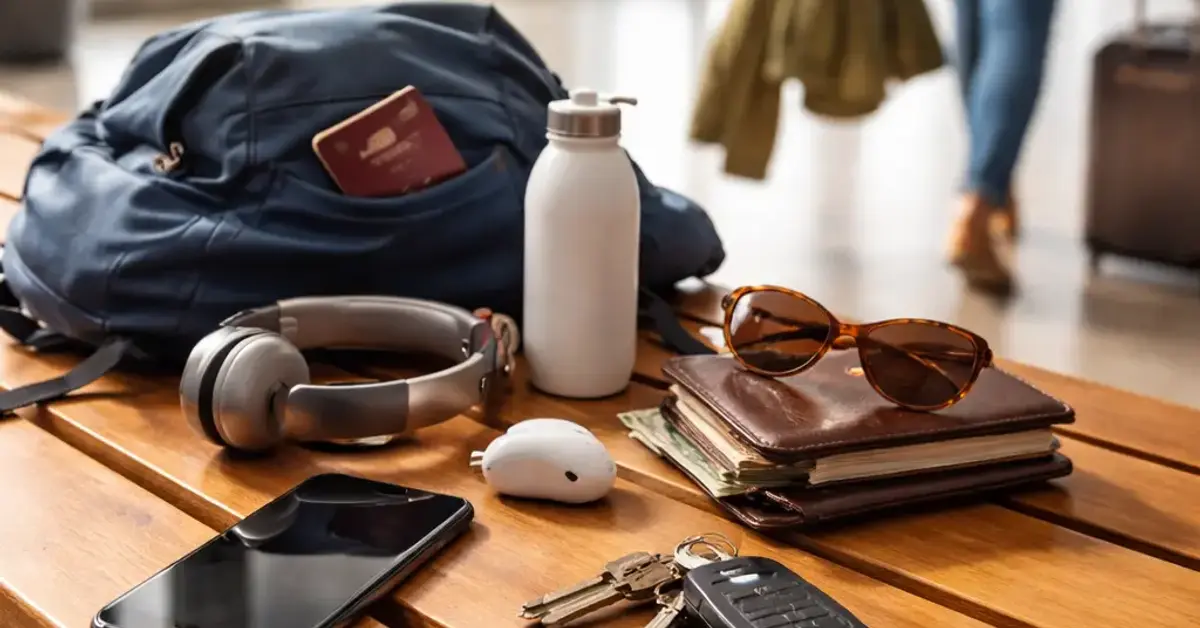
Every time you leave a place — home, office, car, hotel room — run through a mental or written checklist: phone, wallet, keys, bag, laptop, sunglasses. Make it automatic. Travelers often use the phrase “Phone, Wallet, Keys” as a haptic ritual: pat each pocket before walking away.
Assign a Home for Every Important Item
Designate a specific bowl, hook, shelf, or drawer for essentials at home. When you walk in, the phone goes in the bowl, keys on the hook, wallet on the shelf. If every item has a single spot, you never have to wonder where you left it. The same applies to travel: give your passport and charger a dedicated pouch or pocket.
Use Permanent Identification
Engrave your phone or laptop with your name and a secondary email address (not your daily inbox). Use luggage tags with your phone number on the inside and a business phone number on the outside. For items like umbrellas and water bottles, write your name with a permanent marker — it deters accidental grabs and makes returns easy. For a related guide, see 6 Easy Steps for Getting a Business Reimbursement Receipt.
What to Include in Your Item Description for a Faster Recovery
When you report a missing item, the details you provide determine how quickly staff can identify it. Here’s a checklist of what to include:
| Category | Details to Provide |
|---|---|
| Brand and Model | Exact make and model, e.g., “Samsung Galaxy S23 Ultra, green” |
| Color and Size | Specific color, dimensions (for luggage or bags) |
| Serial Number | IMEI for phones, serial for laptops (found in settings or original box) |
| Unique Markings | Stickers, scratches, custom engraving, stickers from a specific brand |
| Contents | What was inside: ID cards, credit cards, cash amount, keys, receipts |
| Location and Time | Exact place, date, and approximate time you lost it |
Providing this level of detail helps lost and found staff match your item quickly, especially in busy environments like airports where hundreds of items come in daily.
When to Give Up and Write Off a Lost Item
Despite your best efforts, some items don’t come back. After 30 days of active searching — contacting venues, posting online, checking police reports — it’s reasonable to shift your focus to replacement. Consider whether the item was insured or covered by a warranty or credit card purchase protection. Many premium credit cards cover loss or theft within the first 120 days.
Letting go of a beloved item isn’t easy, but it opens the door to a new lesson. Next time, you’ll have a better system. The emotional sting fades, but the experience of using a thoughtful lost and found guide stays with you.
Useful Resources
For additional help, check these resources:
- Airport Lost and Found Database — A searchable directory of lost and found offices at airports worldwide.
- FTC Guide on Lost or Stolen Credit Cards — Official advice on reporting and freezing credit cards quickly.
Losing something important shakes you, but it doesn’t have to define your day. With this lost and found guide in your back pocket — literally or figuratively — you have a clear plan to recover your belongings and a set of habits to keep them safe going forward. Next time you feel that sinking moment, you’ll know exactly what to do.
Frequently Asked Questions About lost and found guide
What is the first thing I should do when I realize I lost something?
Stay calm. Immediately retrace your steps mentally, then physically check the last location where you definitely had the item. If it’s a phone, use its built-in finder app to locate it. For a related guide, see Wrong Order at Kooky Plate KL? 5 Polite Steps to Fix It Fast.
How long do most lost and found departments keep items?
It varies by venue. Airports and transit authorities typically hold items for 30 to 90 days. Hotels often keep items for 30 days. Restaurants and cafes may hold items for a week or less. Contact them as soon as possible.
Can I call the police if I lost something valuable?
Yes, especially if you suspect theft or if the item contains sensitive personal data. Filing a police report creates an official record that helps with insurance claims and pawn shop checks.
What details should I give to the lost and found staff?
Provide the brand, model, color, serial number, any unique markings, and a list of contents. The more specific you are, the faster staff can identify your item among hundreds.
How do I track my phone if it’s lost or stolen?
Use Apple’s Find My app or Android’s Find My Device. These show the phone’s last known location, let you play a sound, lock it remotely, or display a message with your contact number.
Should I post about a lost item on social media?
Yes. Local Facebook groups, Nextdoor, Twitter, and city-specific Reddit communities can quickly spread the word. Include a photo (with serial number hidden) and a contact method.
How do I search online marketplaces for my lost item?
Use the brand, model, and serial number as search terms on Craigslist, Facebook Marketplace, eBay, and OfferUp. If you find a match, contact the police before confronting the seller.
Can I get compensation if my item is lost on an airplane?
Airlines are generally not liable for items lost inside the cabin, but you can file a claim with the airline’s lost and found department. For checked luggage, compensation rules under the Montreal Convention apply.
How long should I keep searching before giving up?
Actively search for 30 days. After that, the likelihood of recovery decreases significantly. At that point, file an insurance claim and consider the item replaced.
What tools can help me prevent losing items?
Tracking tags like Tile, AirTag, and Chipolo attach to your keys, wallet, and luggage. Smartphone finder apps and departure checklists also dramatically reduce loss rates.
Do hotels keep items left in rooms?
Yes, most hotels have a lost and found system. Contact housekeeping or front desk directly. For high-value items, they may require you to verify ownership before returning the item by mail.
What if I lost my passport while traveling?
Report it to the local police and visit your country’s embassy or consulate immediately. They can issue an emergency replacement. You’ll need a police report and proof of citizenship.
How do I find lost luggage at an airport?
Go directly to the airline’s baggage service office at the airport before leaving. Provide your baggage tag number and a description of the bag. Most airlines have a 24-hour tracking system.
Can the police track my stolen laptop?
If you have the serial number and file a police report, they can add it to national stolen property databases. For active tracking, built-in software like Find My or Prey can help, but law enforcement may not always pursue low-value items.
What should I do if I find someone else’s lost item?
Turn it into the nearest venue lost and found. If you’re in a public place without staff, post on local social media groups describing the item without revealing full identifying details. Avoid returning high-value items alone.
How can I make my lost item easier to identify?
Use permanent identification: a business card inside your luggage, an engraving on your phone or laptop, or a label with your name and an alternate phone number. Unique stickers or colored cases also help.
Is it worth filing a claim with my credit card company?
Yes, many premium cards offer purchase protection that covers loss or theft within 90 to 120 days of the purchase date. Check your card’s benefits guide and submit a police report and proof of ownership.
What are the most commonly lost items?
Phones, keys, wallets, sunglasses, headphones, water bottles, umbrellas, and laptops top the list. At airports, laptops and tablets are frequently left at security checkpoints and gate areas.
How do I contact a rideshare lost and found?
Open the Uber or Lyft app, go to your trip history, tap the specific ride, and select “Report lost item.” You can message or call the driver directly through the app. Rideshare companies also have a dedicated support line for lost items.
What’s the best way to avoid losing items during travel?
Pack with a packing cube system so every category of item has a place. Use a travel checklist app, and before leaving any location, perform a 10-second scan: check all seat pockets, the overhead bin, under the seat, bathroom, and charging stations.