
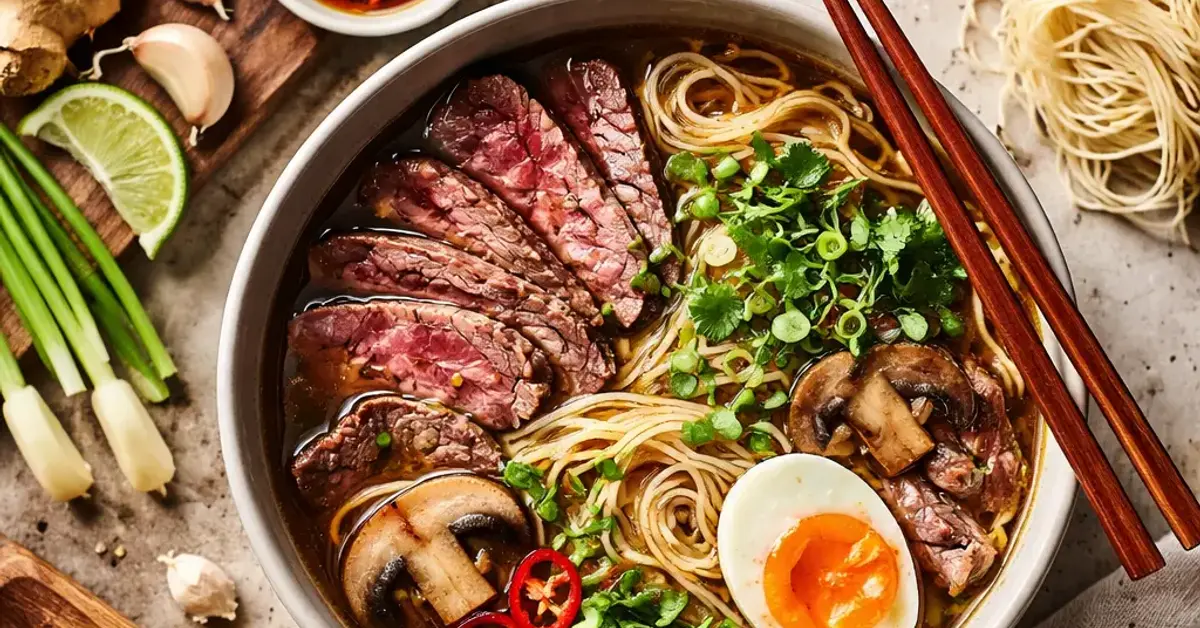
Beef Ramen Key Takeaways
Making beef ramen at home can be deeply satisfying, but small missteps can ruin your broth.
- The most common beef ramen mistake is boiling the broth too aggressively, which makes it cloudy and bitter.
- Using the wrong cut of beef or skipping the browning step leads to weak, greasy broth.
- Properly balancing tare (seasoning) and cooking noodles separately ensures a perfect bowl every time.

7 Beef Ramen Mistakes That Ruin Your Broth
We’ve all been there — you spend hours simmering bones, slicing beef, and prepping toppings, only to end up with a bowl that tastes flat or greasy. After testing dozens of batches, here are the seven most common beef ramen mistakes and how to avoid them. For a related guide, see 7 Easy Yuzu Mango Pie Mistakes to Avoid for Best Results.
Mistake #1: Boiling the Broth Instead of Simmering
A rolling boil emulsifies fat into the liquid, turning your broth cloudy and creating a harsh, bitter taste. For a clear, rich broth, keep the heat low enough that only tiny bubbles break the surface. A gentle simmer at around 190°F (88°C) for 4–6 hours extracts collagen and flavor without breaking down the fat into off-flavors.
Mistake #2: Using Lean Cuts of Beef
Many home cooks grab a lean roast or sirloin, thinking it’s healthier. But beef ramen needs gelatin and fat for body and mouthfeel. Opt for marrow bones, oxtail, or beef shank. Brown them first in a hot pan to develop deep caramelized notes before adding water. This single step transforms the broth from bland to magnificent. For a related guide, see 7 Mala-Spiced Pappardelle Mistakes to Avoid for Perfect Noodles.
Mistake #3: Skipping the Aromatics
Beef alone doesn’t create a complex broth. Without onion, garlic, ginger, and scallions, your beef ramen will taste one-dimensional. Char the onion halves and ginger slices in a dry skillet for extra smokiness, then add them to the pot after skimming the first foam. Also include a few dried shiitake mushrooms for natural MSG-like depth.
Mistake #4: Overcooking the Noodles
Ramen noodles continue to cook in the hot broth. If you boil them until fully tender before adding them to the bowl, they turn mushy within minutes. Cook fresh ramen noodles for 30–60 seconds less than the package suggests, then drain and rinse under cold water to stop the cooking. Add them to the bowl just before serving.
Mistake #5: Not Seasoning the Broth Properly
A good broth needs tare — a concentrated seasoning base. Common options include shoyu (soy sauce), miso (fermented soybean paste), or shio (salt). Never add soy sauce directly to the simmering pot; instead, prepare a tare mixture and pour a tablespoon into each bowl before adding the broth. This lets you adjust saltiness per serving.
Mistake #6: Using Cold Broth on Hot Noodles
If your broth isn’t piping hot when it hits the bowl, the entire dish cools down too fast. Keep the broth at a low simmer while you assemble the noodles and toppings. Reheat the bowls by swirling hot water inside them before building the ramen. A scalding-hot base temperature keeps your beef ramen enjoyable from first bite to last.
Mistake #7: Neglecting the Toppings
Toppings aren’t just decoration — they add texture, color, and flavor layers. Sliced chashu (braised beef belly), a soft-boiled ajitsuke tamago (marinated egg), and nori (dried seaweed) are essential. Garnish with fresh scallions, sesame seeds, and a drizzle of chili oil. Each component should be prepared ahead and added just before serving.
How to Make Easy Beef Ramen Step by Step
Now that you know what to avoid, here’s a straightforward easy beef ramen recipe anyone can follow. This version uses beef shank and short ribs for a rich, unctuous broth that tastes like it simmered all day — because it does, but hands-on time is minimal.
Step 1: Prepare the Ingredients
Gather 2 lbs beef shank (cut into 2-inch pieces), 1 lb beef short ribs, 1 onion halved and charred, 4 garlic cloves smashed, a 2-inch piece of ginger sliced and charred, 2 dried shiitake mushrooms, 1 tbsp kosher salt, 8 cups water, and 4 servings of fresh ramen noodles. For the tare: ¼ cup soy sauce, 2 tbsp mirin, and 1 tbsp sake.
Step 2: Brown the Beef
Pat the beef shank and short ribs dry with paper towels. Sear them in a heavy pot over medium-high heat until deeply browned on all sides. Work in batches to avoid crowding. Set the meat aside temporarily.
Step 3: Build the Broth
Pour off excess fat, leaving about 1 tablespoon. Add the onions, garlic, ginger, and shiitakes, and sauté for 2 minutes. Return the beef to the pot, pour in the water, and bring to a gentle simmer. Skim any foam that rises during the first 20 minutes. Then cover and simmer on low heat for 4 hours.
Step 4: Strain and Season
Remove the beef and set aside. Strain the broth through a fine-mesh sieve into a clean pot. Mix the soy sauce, mirin, and sake in a small bowl. Pour 1 tablespoon of this tare into each serving bowl. Ladle the hot broth over the tare.
Step 5: Assemble the Bowl
Boil the noodles for 60–90 seconds, drain well, and add to the bowls. Slice the cooked beef shank and short ribs. Place the meat on top, add a halved soft-boiled egg, a sheet of nori, and a sprinkle of sliced scallions. Serve immediately.
Beef Ramen Variations and Pro Tips
Once you’ve mastered the basics, tailor your beef ramen to your taste. Swap the tare for white miso paste thinned with sake for a creamy, savory bowl. Add a spoonful of rayu (chili oil) for heat. For an extra-rich broth, toss in a handful of beef fat trimmings during the last 30 minutes and then strain them out. Vegetarians can replace the beef with roasted eggplant and use kombu dashi as a base. Always taste the broth before adding tare — homemade stocks vary in intensity.
Useful Resources
For a deeper dive into Japanese ramen technique, check out the guide on Just One Cookbook’s homemade ramen from scratch. For a scientific breakdown of broth clarity, read Serious Eats’ science of stock and broth.
Making beef ramen at home doesn’t require a chef’s diploma — just patience and attention to these common pitfalls. Avoid the seven errors we covered, follow the simple steps, and you’ll serve a bowl that rivals your favorite ramen shop. Enjoy experimenting with variations, and remember: the best ramen is the one you make with care.
Frequently Asked Questions About Beef Ramen
What is the best cut of beef for ramen broth?
Use beef shank, oxtail, or short ribs. They are high in collagen and fat, which create a silky, rich broth. Lean cuts like sirloin produce a thin, watery result.
Can I use a pressure cooker for beef ramen broth?
Yes. Cook the browned beef bones with aromatics on high pressure for 90 minutes. The broth will be flavorful but may be slightly less clear than a stovetop simmer. Release pressure naturally.
How long should I simmer beef ramen broth?
Simmer between 4 and 6 hours for a balanced extraction. Overcooking beyond 8 hours can cause the marrow to release bitter compounds.
Do I need to blanch the bones first?
Blanching is optional. It removes some impurities and results in a cleaner broth. But if you prefer a deeper, richer color, skip blanching and skim the foam during the first 20 minutes of boiling.
Can I make beef ramen without bones?
Yes. Use beef stew meat, chuck, or even ground beef. The broth will be lighter but can still be delicious with proper seasoning and added umami ingredients like soy sauce, miso, or kombu.
What noodles are best for beef ramen?
Fresh alkaline ramen noodles (yellow, springy) are ideal. If unavailable, substitute dried ramen noodles, fresh spaghetti, or udon noodles, though the texture will differ.
How do I store leftover beef ramen broth?
Strain the broth, cool it quickly, and refrigerate in an airtight container for up to 4 days. Freeze for up to 3 months. Reheat gently to preserve the flavor.
Can I add vegetables to beef ramen?
Absolutely. Add bok choy, bean sprouts, sliced carrots, or corn during the last 2 minutes of cooking. For a softer texture, simmer them in the broth for 5–10 minutes.
What is tare in beef ramen?
Tare is a concentrated seasoning paste or liquid that provides the salty, savory base of the broth. Common tares are shoyu (soy sauce), miso, and shio (salt-based).
Why is my beef ramen broth bitter?
Bitterness usually comes from boiling too aggressively, using too much ginger or garlic, or overcooking burned aromatics. Simmer gently and use moderate amounts of strong ingredients.
Can I use leftover beef roast in beef ramen?
Yes. Slice leftover roast beef or pot roast thinly and add it to the bowl as a topping. It won’t contribute flavor to the broth, but it makes a hearty meal.
Do I need to season the beef before cooking?
Salt the beef lightly and let it rest at room temperature for 30 minutes before browning. This helps develop a deeper crust and infuses the meat with flavor.
How do I make beef ramen spicy?
Add rayu (chili oil) or a spoonful of doubanjiang (fermented chili bean paste) to the tare. You can also sprinkle togarashi or fresh chili slices on top.
What is the difference between beef ramen and tonkotsu?
Tonkotsu is made from pork bones and has a creamy, white appearance. Beef ramen uses beef bones and often yields a darker, richer broth with a different flavor profile.
Can I make beef ramen in an Instant Pot?
Yes. Brown the beef using the sauté function, then add water and aromatics. Pressure cook on high for 45 minutes to 1 hour, then natural release. The broth will be very flavorful.
Should I remove the fat from the broth?
It’s a matter of preference. Some fat adds richness and body. If you prefer a leaner broth, chill the broth and lift off the solidified fat before reheating.
What are the best toppings for beef ramen?
Popular toppings include chashu, soft-boiled eggs, nori, scallions, sesame seeds, corn, butter, and bean sprouts. Each adds a distinct texture or flavor.
How do I keep beef slices from drying out in the broth?
Cook the beef slices separately and add them to the bowl just before serving. If using braised beef, reheat it gently in a small amount of broth before plating.
Can I use vegetable broth instead of water?
Yes. A mild vegetable stock adds another layer of flavor. Just ensure it doesn’t overpower the beef taste. Homemade vegetable stock works best.
What is the best way to reheat beef ramen?
Reheat the broth in a saucepan separately from the noodles. Boil fresh water and dip the noodles in for 30 seconds. Combine in a warmed bowl. This prevents the noodles from getting mushy.