
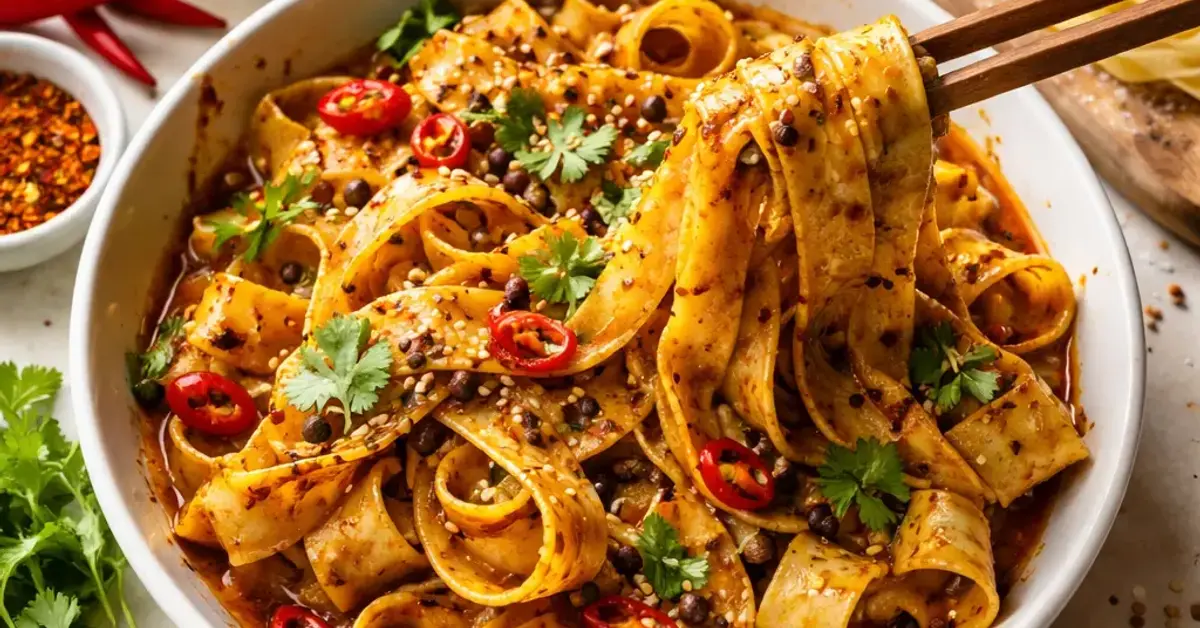
mala-spiced pappardelle Key Takeaways
Mala-spiced pappardelle is a bold fusion dish that combines wide, ribbon-like pasta with the numbing heat of Sichuan pepper and the deep, savory spice of chili oil.
- Don’t let the mala-spiced pappardelle turn gummy — use the right pasta water ratio and oil-based sauce technique.
- Master the balance between Sichuan pepper and chili heat so that neither overpowers the dish.
- Build depth with aromatics and finishing ingredients like Chinese black vinegar and fried scallions.
Why Mala-Spiced Pappardelle Is Trickier Than It Looks
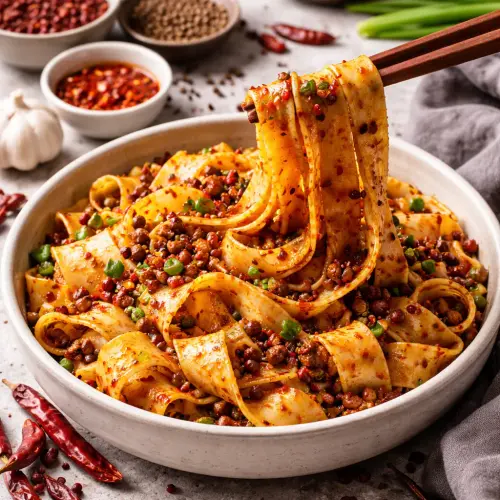
On the surface, you might think making mala-spiced pappardelle is just mixing chili oil with cooked pasta. But the truth is, this dish demands careful technique to let the mala — the signature numbing-and-spicy sensation — shine. The pappardelle’s wide, sturdy ribbons need to be coated evenly without becoming oily or clumpy. Many home cooks accidentally mute the Sichuan pepper’s floral notes or let the chili oil separate. To help you avoid these pitfalls, I’ve outlined seven mistakes that can ruin your bowl — and how to fix them.
What Exactly Is Mala?
Mala (麻辣) is a Chinese flavor profile that combines má (numbing, from Sichuan peppercorns) and là (spicy-hot, from dried chilies). In a mala pasta recipe, the goal is to replicate that layered sensation, not just dump heat onto noodles. The Sichuan pepper should tingle your tongue while the chili oil delivers a slow, warm burn.
Mistake #1: Overcooking the Pappardelle
The number one issue I see with mala-spiced pappardelle is mushy pasta. Pappardelle needs a firm, springy bite to stand up to the oily sauce. If you cook it the full time on the package, it will turn soft and clump. Always cook pappardelle 1 to 2 minutes less than al dente, then finish it in the sauce with a splash of pasta water. That starchy water helps the sauce cling to each ribbon without making it soggy.
Mistake #2: Using the Wrong Oil Base
A great mala pasta recipe relies on a flavorful oil, not just any vegetable oil. Many people use plain olive oil or sunflower oil, which lack the nutty, aromatic depth needed. Instead, start with a neutral oil like grapeseed or avocado, then infuse it with Sichuan peppercorns, dried star anise, and crushed red chilies. The oil becomes the backbone of the dish. Store-bought chili oils can work, but look for ones that list Sichuan peppercorn as an ingredient — not just generic “spices.” For a related guide, see Hello world!.
Recommended Oil Infusion Ratio
For every ½ cup of neutral oil, add 1 tablespoon of Sichuan peppercorns, 2 star anise pods, and 2 tablespoons of crushed dried red chilies. Heat gently on low for 5 minutes, then strain. This base oil keeps well in the fridge for up to two weeks.
Mistake #3: Skipping the Aromatics
Pappardelle and mala alone won’t make a memorable dish. You need aromatics to add savory depth. I always start the sauce by sautéing minced garlic and fresh ginger in the infused oil. Some cooks also add a pinch of ground cumin or a splash of soy sauce. These layers prevent the dish from tasting one-dimensional. Without aromatics, your mala-spiced pappardelle will taste like spicy oil on noodles — and that’s a missed opportunity.
Mistake #4: Not Balancing the Numbing Heat
Sichuan pepper is potent. Too much, and the dish becomes difficult to eat. Too little, and it’s just another spicy pasta. The ideal ratio for four servings is 1 to 1.5 teaspoons of whole Sichuan peppercorns (toasted and ground) mixed into the oil. Taste as you go: the numbing sensation should be noticeable but not overwhelming. If you add too much, tone it down with a squeeze of lemon juice or a teaspoon of Chinese black vinegar. The acidity cuts through the pepper dust and rebalances the dish.
Mistake #5: Using Thin Pasta or Substituting Noodles
Pappardelle is wide for a reason. Its surface area catches the mala sauce beautifully, and its thickness holds up to the oil. If you swap in spaghetti or angel hair, the sauce will weigh them down and create a greasy mess. Stick with pappardelle, or at least fettuccine or tagliatelle. Fresh pappardelle from the refrigerated section of your market works great — just adjust cooking time accordingly.
Mistake #6: Forgetting the Finishing Touch
The difference between good mala-spiced pappardelle and great one is the garnish. After tossing the pasta in the sauce, top it with something crunchy and aromatic. Fried scallions, toasted sesame seeds, chopped peanuts, or crispy shallots all add texture and a final burst of flavor. A drizzle of extra infused oil right before serving also makes the dish look glossy and inviting. Don’t skip this step — it’s the restaurant trick that elevates your home version.
Mistake #7: Serving It Cold or Reheating Poorly
Mala-spiced pappardelle is best eaten right after tossing. If you let it sit, the oil congeals and the noodles stick together. If you must reheat leftovers, do so gently: add a tablespoon of water or broth to a hot skillet, then toss the pasta until just warmed through. Never microwave it — the uneven heat will ruin the texture. For meal prep, keep the sauce separate from the cooked pasta and combine only when ready to serve.
Step-by-Step Recipe for Perfect Mala-Spiced Pappardelle
Now that you know what to avoid, here’s a clear recipe to follow. It serves 4 and takes about 25 minutes.
Ingredients
- 12 oz dried pappardelle (or 1 lb fresh)
- ½ cup neutral oil (grapeseed or avocado)
- 1 tbsp Sichuan peppercorns
- 2 star anise pods
- 2 tbsp crushed dried red chilies
- 4 garlic cloves, minced
- 1-inch piece ginger, minced
- 2 tbsp soy sauce
- 1 tsp Chinese black vinegar (optional)
- Salt to taste
For garnish
- 3 scallions, sliced thinly
- 2 tbsp toasted sesame seeds
- Handful of crushed peanuts
Instructions
- Make the infused oil: In a small saucepan, combine oil, Sichuan peppercorns, star anise, and dried chilies. Heat over low for 5 minutes. Do not let it smoke. Remove from heat and let steep for 10 minutes. Strain and discard solids. Set the oil aside.
- Cook the pasta: Bring a large pot of salted water to a boil. Cook pappardelle until 1 minute shy of al dente. Reserve 1 cup of pasta water, then drain.
- Sauté aromatics: In a large skillet over medium heat, add 3 tablespoons of the infused oil. Add garlic and ginger, stirring for 30 seconds until fragrant.
- Toss the pasta: Add the drained pappardelle to the skillet. Pour in ¼ cup of reserved pasta water and 2 more tablespoons of infused oil. Toss vigorously with tongs for 1 minute until the sauce coats the noodles. Add soy sauce and black vinegar, tossing again. If the sauce seems dry, add more pasta water a splash at a time.
- Serve immediately: Divide among bowls. Top with scallions, sesame seeds, and peanuts. Drizzle a little more infused oil on top if desired.
Serving Suggestions and Variations
This mala-spiced pappardelle is a meal on its own, but you can make it heartier. Serve it alongside a simple cucumber salad with rice vinegar and sesame oil to cool the palate. For a protein boost, add shredded rotisserie chicken, pan-seared tofu, or sautéed shrimp during the final toss. If you like extra vegetables, toss in some bok choy leaves or snap peas with the garlic. For a milder version, reduce the dried chilies to 1 tablespoon and add a teaspoon of sugar to balance the heat.
Useful Resources
For more on the science of mala, check out this deep dive from Serious Eats on Sichuan Peppercorns. And if you want to explore authentic Sichuan pepper pasta techniques, The Woks of Life offers a fantastic primer on dry-frying and oil infusions.
Frequently Asked Questions About mala-spiced pappardelle
What does mala-spiced pappardelle taste like?
It has a unique numbing heat from Sichuan pepper combined with the deep savory spice of chili oil, all coating wide, tender pasta ribbons. The flavor is complex: floral, citrusy, and slightly smoky.
Can I use regular black pepper instead of Sichuan pepper?
No. Black pepper provides heat but lacks the numbing, tingling sensation that defines mala. If you don’t have Sichuan peppercorns, the dish will taste very different — more like a standard spicy pasta.
Is mala-spiced pappardelle very spicy?
It can be moderately to very spicy, depending on the amount of dried chilies and Sichuan pepper you use. You control the heat by adjusting those quantities. The numbing effect also makes the spice feel less harsh.
What pasta shape works best for mala sauce?
Pappardelle is ideal because its wide, flat surface holds the oily sauce well. Fettuccine, tagliatelle, or bucatini are good alternatives. Thin shapes like spaghetti absorb too much oil and become greasy.
Can I make this dish vegan?
Yes. The base recipe is already vegan as written — just avoid any animal-based proteins or garnishes. Use soy sauce or tamari, and skip the optional vinegar if it contains honey.
How do I store leftover mala-spiced pappardelle ?
Store in an airtight container in the fridge for up to 2 days. The oil may solidify slightly, so reheat gently in a skillet with a splash of water to re-emulsify the sauce.
Why did my sauce separate?
Sauce separation can happen if the oil and pasta water don’t emulsify properly. Make sure you toss the pasta vigorously over medium heat, and use enough starchy pasta water to bind the oil.
Can I use store-bought chili oil?
Yes, but choose one that includes Sichuan peppercorn and has a balanced flavor. Lao Gan Ma brand is widely available, though its flavor is more about fermented bean and chili than pure mala.
What can I use instead of Chinese black vinegar?
Rice vinegar mixed with a tiny pinch of sugar, or balsamic vinegar used sparingly, can work. But Chinese black vinegar adds a distinct malty sweetness that enhances the mala profile.
Is mala-spiced pappardelle gluten-free?
Standard pappardelle is made with wheat flour. To make it gluten-free, use a gluten-free pappardelle (rice or chickpea-based) and ensure your soy sauce is tamari or certified gluten-free.
How do I toast Sichuan peppercorns?
Place whole peppercorns in a dry skillet over medium heat. Shake constantly for 30–60 seconds until fragrant and slightly darker. Cool, then grind using a mortar and pestle.
Can I add protein to the dish?
Absolutely. Shredded chicken, sautéed shrimp, tofu cubes, or even crispy bacon bits work beautifully. Cook the protein separately and toss it into the sauce at the end.
What vegetables go well with mala pappardelle?
Bok choy, snap peas, bell peppers, and scallions all pair well. Blanch or sauté them lightly so they maintain texture and don’t water down the sauce.
How can I make the dish less oily?
Reduce the total oil to ¼ cup and rely more on starchy pasta water to create the sauce. You can also drain the oil from store-bought chili oil and use just the solid chili bits.
Can I freeze mala-spiced pappardelle ?
Freezing is not recommended. The oil and pasta texture degrade upon thawing, becoming mushy and separated. Best enjoyed fresh or within a day of making.
What is the best oil for infusing mala flavor?
Grapeseed or avocado oil work well because they have a high smoke point and neutral taste. Avoid extra virgin olive oil — its flavor competes with the spice.
How do I make it less numbing?
Reduce the Sichuan peppercorns to ½ teaspoon and toast them lightly to mellow their intensity. You can also add a pinch of sugar or a squeeze of lime to counter the tingling.
Can I use pre-ground Sichuan pepper?
Pre-ground Sichuan pepper loses its floral aroma quickly. For best results, buy whole peppercorns and grind fresh. Store any leftover whole peppercorns in a sealed jar away from light.
Is this dish authentic to any Chinese cuisine?
Mala-spiced pappardelle is a fusion dish inspired by Sichuan flavors. Traditional Sichuan cuisine uses similar spices but with noodles like biang biang mian or dandan mian rather than Italian pappardelle.
What wine pairs with mala-spiced pappardelle ?
Off-dry Riesling or a fruity Gewürztraminer complement the spice without competing. The slight sweetness balances the heat, while the acidity cuts through the oil.