
Chow Kit food guide Key Takeaways
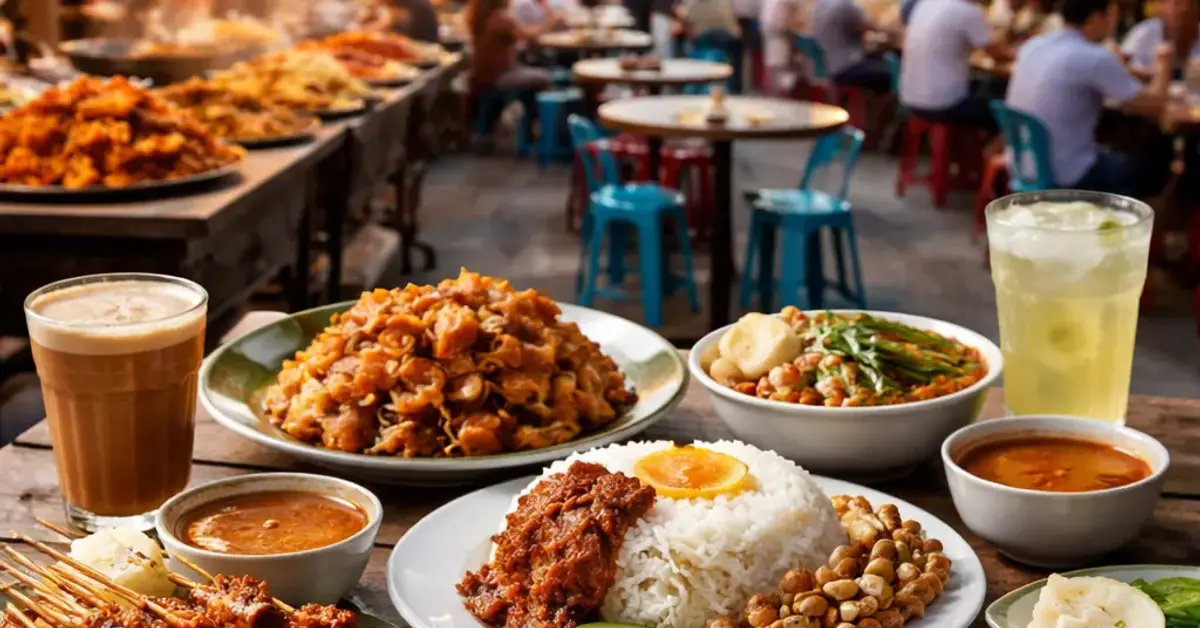
This Chow Kit food guide takes you on a sensory walking tour through one of Kuala Lumpur’s most authentic neighborhoods.
- Chow Kit is KL’s most vibrant wet market and street food hub, best explored on foot in the morning.
- Must-try dishes include nasi lemak bungkus, beef rendang roti canai, and grilled fish wrapped in banana leaf.
- Visit on a weekday to avoid the heaviest crowds and bring cash — many stalls do not accept cards.
Why This Chow Kit Food Guide Will Change How You See KL
The first time I turned onto Jalan Haji Hussein, the air hit me like a warm, savory blanket. Smoke from chargrilled skewers curled around the legs of zinc-topped tables. Aunty behind the wok shouted orders in Cantonese. A man balancing two baskets of kuih on his bicycle weaved through the crowd. Chow Kit doesn’t just feed you — it pulls you into its rhythm.

This Chow Kit food guide is designed for travelers who want more than a list of names. It’s a walking route that lets you taste the neighborhood’s stories, stall by stall. You’ll start at the wet market, move through the back lanes, and end at a classic kopitiam — exactly the way locals have eaten here for decades. For a related guide, see Kooky Plate Kl Western-asian Comfort Food Fusion: 6 Kooky Plate KL Fusion Dishes You Must Try for a Unique Taste: Best 7.
Your Kuala Lumpur Food Walking Tour Through Chow Kit
Wear comfortable shoes, bring an empty stomach, and start early. Most stalls fire up by 7 AM and sell out by noon. This route covers about 1.5 kilometers, so you can take your time.

Stop 1: Nasi Lemak at Restoran Nasi Lemak Wanjo (Jalan Haji Hussein)
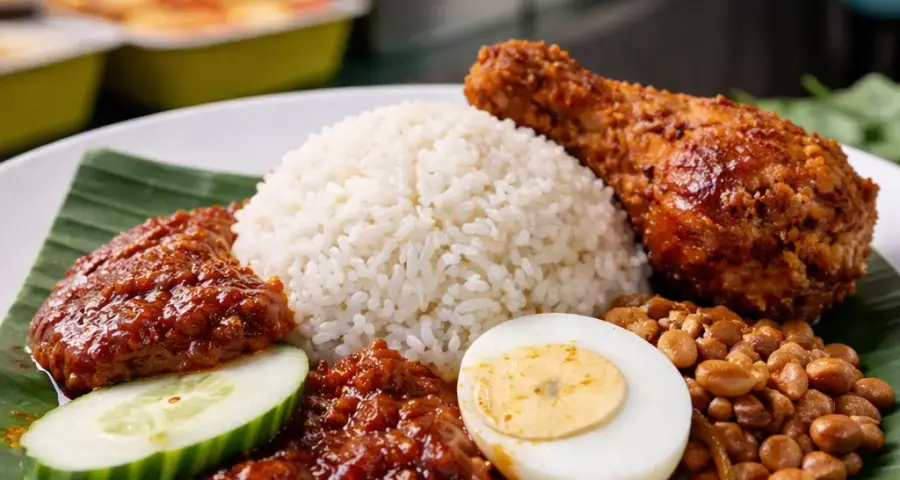
The queue forms before sunrise. Locals know to ask for the bungkus (wrapped in banana leaf) — it keeps the sambal from soaking the rice. The fried chicken is crispy, the anchovies are fresh, and the sambal has a sweet-tangy kick. This is the gold standard for best eats in Chow Kit.
Stop 2: Roti Canai at Restoran Roti Canai Taman Tun (Jalan Masjid India)
A few minutes’ walk south, this muslim-run stall serves roti canai so thin and crisp it shatters when you tear it. Order the roti telur with a side of beef rendang curry. The dough is stretched by hand and flipped in the air — a performance worth watching.
Stop 3: Grilled Fish at Ikan Bakar Mak Jah (Jalan Tunku Abdul Rahman)
This stall is tucked beside a hardware store, but the smell of burning coconut husk gives it away. The ikan kembung (mackerel) is stuffed with lemongrass and turmeric, wrapped in banana leaf, and grilled over charcoal. Squeeze a calamansi lime and dip it in the spicy kecap manis.
Stop 4: Cendol at Penang Road Famous Teochew Chendul (Lebuh Ampang)
After all that heat, you need cooling. This famous cendol stall uses freshly squeezed coconut milk and palm sugar syrup that’s been simmered with pandan leaves. The green rice flour jelly is bouncy, and the shaved ice is fine as snow. Perfect for a mid-morning break.
Stop 5: Wantan Mee at Restoran Sin Meng Kee (Jalan Sultan Ismail)
A hidden gem behind the main market. The noodles are tossed in dark soy sauce and lard oil, topped with sliced char siu and a handful of blanched choy sum. The wantans are plump, filled with minced pork and prawn. Ask for extra chili oil — it’s house-made and ferocious.
Stop 6: Curry Laksa at Auntie Laksa (Jalan Tuanku Abdul Rahman)
This unmarked stall inside a coffee shop serves a rich, coconut-based laksa with shredded chicken, tofu puffs, and half a hard-boiled egg. The broth is spicy but not overwhelming, and the laksa noodles are perfectly al dente. A true Chow Kit neighborhood food spot.
Stop 7: Satay at Satay Sate Kajang (Jalan Haji Hussein)
Back near where you started, this satay vendor grills over coconut husk. The beef satay is marinated in turmeric and lemongrass, served with a thick peanut sauce and ketupat. The chicken is slightly sweeter, but both are excellent. Order 10 sticks — you’ll want more.
Stop 8: Kuih at Madam Kwan’s Kueh Stall (Jalan Masjid India)
Look for the lady with the rainbow-colored baskets. She makes kuih lapis (steamed layered cake), kuih talam (coconut custard with pandan bottom), and ondeh-ondeh (glutinous rice balls filled with palm sugar). Buy a mix — each piece is only RM 1.
Stop 9: Beef Noodles at Restoran Ah Ke (Jalan Sultan Ismail)
A late morning bowl of beef noodle soup is restorative. The broth is clear but deeply beefy, subtly sweet from daikon and star anise. Sliced beef shank, tendons, and tripe come on top. Add a dollop of chili paste and a squeeze of lime.
Stop 10: Kopi and Kaya Toast at Yut Kee Kopitiam (Jalan Dang Wangi)
End your walk at this 1928 kopitiam. The coffee is thick and sweet, made with a sock filter. The kaya toast — grilled white bread with coconut jam and a thick slab of butter — is the best in the city. Sit at the marble-topped table and watch the ceiling fans spin. This is the finale your Kuala Lumpur food walking tour deserves.
Tips for Navigating the Chow Kit Neighborhood Food Spots
Chow Kit is chaotic in the best way. The wet market area can be slippery — wear non-slip shoes. Keep your bag close, but don’t worry; the neighborhood is safe and friendly. Most vendors speak enough English to take your order, but a smile and a nod go a long way.
- Best time to go: 7 AM to 11 AM, Tuesday through Saturday. Sundays are quieter; Mondays some stalls rest.
- Cash only: Bring small bills. Few places accept e-wallet or cards.
- Sharing is welcome: Many locals share tables. Don’t be shy — you’ll often get tips on what to order next.
- Hygiene note: Stalls are clean, but if you have a sensitive stomach, stick to cooked food and peeled fruit.
Why This Chow Kit Food Guide Is Different
I’ve written dozens of food guides, but Chow Kit remains my favorite. It’s not polished or Instagram-curated. It’s real. The sambal stains on the plastic tablecloth are proof that someone just ate well. The steam rising from the fried noodle wok is a promise. This guide isn’t about finding the trendiest spot — it’s about joining a community that has been eating this way for generations.
Every time I walk these streets, I’m reminded that food is a memory keeper. The roti canai here tastes like my childhood weekends. The cendol is my late grandmother’s recipe, almost. I hope this Chow Kit food guide becomes a memory you carry home — one that makes you smile every time you smell charcoal smoke or coconut milk.
Useful Resources
For more on the history of Chow Kit and its street food culture, visit Malaysia Tourism’s Chow Kit page. For a deeper dive into Kuala Lumpur’s food scene, check out Selangor Journal’s guide to Chow Kit.
Frequently Asked Questions About Chow Kit food guide
What is the best time to visit Chow Kit for food?
The best time is between 7 AM and 11 AM on weekdays, especially Tuesday through Saturday. Most stalls open early and sell out by early afternoon. For a related guide, see 7 Quiet Corners in Kooky Plate KL for Smart Work or Relaxation.
Is Chow Kit safe for tourists?
Yes, Chow Kit is generally safe for tourists. Like any busy market area, keep an eye on your belongings and be mindful of traffic in the narrow lanes.
How do I get to Chow Kit?
Take the Kelana Jaya LRT line to Chow Kit Station. From there, it’s a short walk to the market area and Jalan Haji Hussein.
Can I use credit cards at Chow Kit food stalls?
Most street stalls and small restaurants in Chow Kit only accept cash. A few places may accept e-wallet payments, but it’s best to bring small bills.
Are there vegetarian options in Chow Kit?
Yes, you can find vegetarian-friendly dishes like cendol, kuih, roti canai (plain), and some vegetable curries. But most stalls focus on meat and seafood.
What is the must-try dish in Chow Kit?
The nasi lemak from Restoran Nasi Lemak Wanjo is a must-try. It’s often considered the benchmark for nasi lemak in KL.
How long does the walking food tour take?
The full route with all 10 stops takes about 3 to 4 hours, depending on how long you linger at each stall.
Is Chow Kit food halal?
Many stalls in Chow Kit are Muslim-owned and serve halal food. Look for halal certification displayed at the stall, or ask the vendor.
What is the weather like in Chow Kit?
Kuala Lumpur is hot and humid year-round. Morning visits are more comfortable, and you’ll avoid the heat of midday.
Are there restrooms available along the route?
You’ll find public toilets near the wet market and inside some coffee shops. Bring a small pack of tissues as toilet paper may not be provided.
Can I bring children on the food walk?
Absolutely. The stalls are family-friendly, and many children enjoy the lively atmosphere and sweet treats like cendol and kuih.
What is the average cost per meal at a Chow Kit stall?
Most dishes cost between RM 3 and RM 10. A full day of eating 10 stops will cost around RM 50 per person.
Are there any gluten-free options?
Grilled fish, satay (without the ketupat), and cendol are naturally gluten-free. Be cautious with soy sauce-based dishes.
What language do vendors speak?
Most vendors speak Malay, Mandarin, Cantonese, or Tamil. Many understand basic English, especially for taking orders.
Is Chow Kit open on public holidays?
Some stalls close on public holidays, especially during Hari Raya and Chinese New Year. It’s best to check ahead or visit on a regular weekday.
Can I join a guided food tour?
Yes, several local tour companies offer guided food walks through Chow Kit. It’s a great way to learn more about the culture and history.
What souvenirs can I buy in Chow Kit?
You can buy dried spices, belacan (shrimp paste), kuih lapis, and handmade keropok (fish crackers) from the market.
Is tap water safe to drink in Chow Kit?
Stick to bottled or boiled water. Most stalls serve tea, coffee, or canned drinks.
How do I find the best stalls?
Look for stalls with long queues — they’re usually the best. Also, chat with locals; they’re happy to point you to their favorites.
What should I avoid eating in Chow Kit?
If you have a sensitive stomach, avoid raw or undercooked items. Stick to freshly cooked food from busy stalls.