
coffee and dessert pairings Key Takeaways
Mastering coffee and dessert pairings turns an ordinary coffee break into a memorable culinary experience.
- Understand which coffee and dessert pairings work for different coffee types and why opposites attract (think bitter + sweet).
- Learn flavor-balancing principles like weight, intensity, and acidity to create your own custom combinations.
- Get a ready-to-use recommendation table and expert insights to confidently choose what dessert to serve with coffee .

Why coffee and dessert pairings Elevate Your Taste Experience
There’s something magical about that first sip of coffee alongside a perfectly chosen sweet treat. Whether it’s a morning croissant, an afternoon brownie, or an evening tiramisu, the right pairing can amplify flavors in both the coffee and the dessert. The key lies in balancing complementary and contrasting notes — think dark chocolate espresso against a creamy panna cotta or a bright floral light roast with a fruit tart. For a related guide, see 7 Easy Desserts to Satisfy Your Sweet Tooth Without the Guilt.
Many people default to a generic cappuccino with a muffin, but exploring intentional coffee and dessert pairings can turn your coffee ritual into a sensory adventure. Baristas and pastry chefs have been playing with these combinations for years, and now you can, too.
7 Essential coffee and dessert pairings You Need to Try
Below we explore seven popular coffee styles and their ideal dessert partners. Each pairing considers the coffee’s roast level, body, acidity, and flavor notes to create a balanced, delicious duo.
1. Espresso and Dark Chocolate Brownie
Espresso’s intense, concentrated bitterness and syrupy body crave a dessert that can stand up to it. A fudgy dark chocolate brownie — preferably with 70% cocoa or higher — shares that deep, roasted character while adding a touch of sweetness. The cocoa echoes the natural chocolate notes in many espresso beans, while the brownie’s dense texture matches the coffee’s weight. For a twist, try an espresso shot poured over a warm brownie for an instant affogato-style treat.
2. Cappuccino and Almond Croissant
A cappuccino’s airy milk foam and smooth espresso base call for a delicate, nutty companion. An almond croissant — flaky, buttery, with a subtle marzipan sweetness — complements the coffee’s creamy mouthfeel without overpowering it. The nuttiness of the almonds echoes the toasty notes of a medium-roast espresso, making this a classic European café pairing. If you prefer a less sweet option, a plain buttery croissant works just as well.
3. Latte and Vanilla Panna Cotta
Lattes are mild, milky, and slightly sweet, so they pair best with softly flavored desserts that won’t compete. A silky vanilla panna cotta offers a delicate creaminess that mirrors the latte’s texture, while the vanilla enhances the coffee’s natural sweetness. This coffee and dessert pairing is ideal for brunch or an afternoon pick-me-up. Want a fruitier note? Add a berry compote on top of the panna cotta to contrast the latte’s warmth.
4. Cold Brew and Chocolate Chip Cookie
Cold brew is smooth, low-acid, and often carries subtle chocolate and nut undertones. A classic chocolate chip cookie — chewy, buttery, with melty chocolate chunks — is its perfect match. The cookie’s sweetness tames cold brew’s natural bitterness, while the chocolate highlights the coffee’s cocoa notes. This pairing is incredibly versatile and works with homemade, bakery, or even store-bought cookies. For an elevated version, try a salted chocolate chip cookie to add a savory contrast.
5. Mocha and Tiramisu
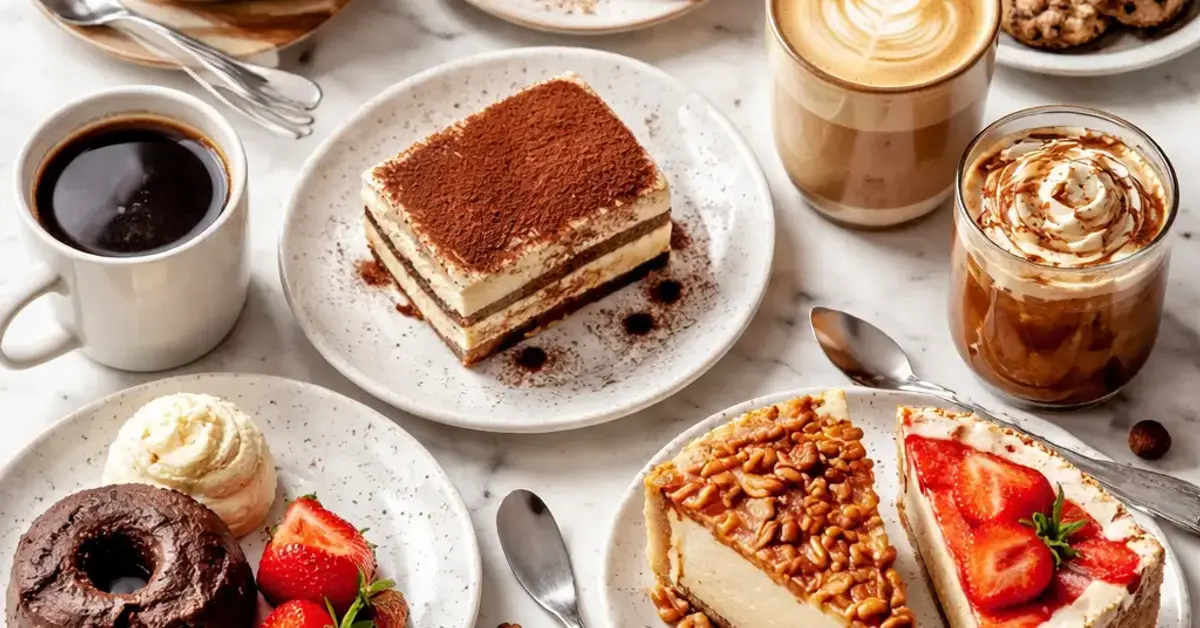
Yes, mocha is technically a coffee drink, but its chocolate-forward profile makes it a natural partner for another coffee-dessert hybrid: tiramisu. The mascarpone’s creaminess, the espresso-soaked ladyfingers, and the dusting of cocoa all echo the mocha’s layers of coffee and chocolate. This double-coffee pairing is a decadent choice for true coffee lovers. If you want to break the chocolate rule, a classic cheesecake also works well with a mocha because the tanginess cuts through the sweetness.
6. Pour-Over (Light Roast) and Lemon Tart
Light-roast pour-overs are prized for their bright acidity, floral aromas, and fruity notes — think Ethiopian or Kenyan beans. A lemon tart’s sharp, citrusy filling and buttery crust mirror that acidity beautifully, creating a harmony that refreshes and awakens the palate. This is one of the more surprising coffee and dessert pairings, but it works because both elements share a similar acidity level. For an even more refined match, try a pour-over with a passionfruit or yuzu dessert. For a related guide, see 7 Easy Yuzu Mango Pie Mistakes to Avoid for Best Results.
7. Flat White and Crème Brûlée
A flat white boasts a velvety microfoam and a strong coffee-to-milk ratio, giving it a rich body without being heavy. The caramelized sugar crust of crème brûlée provides a crackly, sweet contrast, while the custard’s creaminess echoes the flat white’s texture. Together, they create a sophisticated pairing that feels indulgent but perfectly balanced. The caramel notes in the brûlée also complement the natural toffee flavors found in many espresso blends.
Tips for Balancing Flavors in coffee and dessert pairings
Creating your own coffee and dessert pairings doesn’t require a culinary degree. A few simple principles can help you match any coffee with the perfect sweet treat.
Match Intensity Levels
A light, delicate coffee like a pour-over or Americano pairs best with a light dessert such as a fruit scone or angel food cake. Heavy, bold coffees like espresso or French press need dense, rich desserts like brownies, flourless chocolate cake, or bread pudding. If you pair a light coffee with a heavy dessert, the coffee can get lost. Conversely, a heavy coffee with a light dessert can overwhelm it.
Complement or Contrast
There are two main approaches: complementary pairings and contrasting pairings. Complementary means choosing a dessert that shares similar flavor notes — for example, a nutty coffee with a nut-based pastry. Contrasting means using opposites — a bitter coffee with a sweet dessert, or a citrusy coffee with a creamy dessert. Both work; it’s about personal preference.
Consider Texture
The mouthfeel of your coffee matters. Creamy drinks like lattes and cappuccinos pair well with crunchy or crumbly desserts (biscotti, shortbread, or crumble). Thin-bodied coffees like black drip coffee pair well with smooth, creamy desserts like panna cotta or cheesecake. Think about how the textures will interact as you sip and bite.
Temperature Matters
Hot coffee with a cold dessert can be a delightful contrast — think hot espresso with cold vanilla ice cream (affogato). But room-temperature or warm desserts often pair more seamlessly with hot coffee because they don’t create a thermal shock. Experiment with both to see what you prefer.
Quick-Reference coffee and dessert pairings Table
| Coffee Type | Ideal Dessert | Why It Works |
|---|---|---|
| Espresso | Dark chocolate brownie | Matches intensity; chocolate notes resonate |
| Cappuccino | Almond croissant | Nutty, light, and complements foam |
| Latte | Vanilla panna cotta | Silky texture and mild sweetness |
| Cold brew | Chocolate chip cookie | Sweet + bitter balance; cookie cuts acidity |
| Mocha | Tiramisu | Double coffee-chocolate delight |
| Pour-over (light roast) | Lemon tart | Acidity complements acidity; refreshing |
| Flat white | Crème brûlée | Creamy meets creamy; caramel contrast |
How to Experiment with Your Own coffee and dessert pairings
Once you’ve tried the listed combinations, feel free to branch out. Here’s a simple process to discover your favorite coffee and dessert pairings at home:
Step 1: Taste Your Coffee First
Brew your coffee and take a sip of it black. Note the primary flavors: Is it nutty? Fruity? Chocolatey? Smoky? Acidic? This gives you the foundation for your pairing.
Step 2: Choose a Dessert with a Matching or Contrasting Flavor
If your coffee tastes nutty, try a hazelnut biscotti or an almond pastry. If it tastes fruity, pair it with a fruit-based dessert like a berry tart or apple crumble. If it tastes chocolatey, go for chocolate entremets or brownies. If it tastes smoky or earthy, a creamy cheese-based dessert like cheesecake can provide a nice contrast.
Step 3: Adjust Sweetness
Desserts that are too sweet can mask the coffee’s finer notes. Choose desserts that are moderately sweet — just enough to balance the bitterness without dominating. If you’re unsure, start with classic options like biscotti or shortbread that are low in sugar.
Step 4: Consider the Occasion
Breakfast pairings call for lighter, less sweet options (croissants, scones). Afternoon tea or coffee breaks can handle richer desserts (brownies, cookies). Evening desserts can be more decadent (tiramisu, cheesecake, crème brûlée).
Balancing Dietary Preferences with coffee and dessert pairings
Modern coffee lovers may also have dietary restrictions. Fortunately, coffee and dessert pairings can be adapted. For dairy-free diets, choose black coffee or use oat milk lattes with vegan desserts like coconut milk panna cotta or dark chocolate avocado mousse. Gluten-free options include flourless chocolate cake, macarons, or almond-based pastries. Low-sugar pairings can use stevia-sweetened treats or dark chocolate with a high cocoa percentage.
Vegan Pairings
Try an oat milk latte with a vegan lemon drizzle cake or a black coffee with a nut-based energy bar. The key is to keep the flavors complementary — the oat milk’s natural sweetness pairs well with fruit-based desserts.
Gluten-Free Pairings
Flourless chocolate cake is a dream match with espresso or a French press. Macarons (made from almond flour) work well with a cappuccino because the texture is light and the flavors can be customized.
Common Myths About coffee and dessert pairings
One myth is that only light coffee goes with light dessert. In reality, a dark roast can pair perfectly with a light, creamy dessert like panna cotta — the contrast is intentional and delicious. Another myth is that you must always serve coffee with the dessert. Sometimes enjoying a small dessert after your coffee, or having coffee after dessert, creates a different taste experience.
Useful Resources
To deepen your understanding of coffee flavor profiles and pairing principles, check out these two credible sources:
- National Coffee Association – How to Brew Coffee — A helpful guide to coffee brewing methods and their flavor characteristics.
- Serious Eats – The Ultimate Guide to Coffee and Dessert Pairings — A well-researched article with multiple pairing examples and expert tips.
Frequently Asked Questions About coffee and dessert pairings
Now that you have the complete guide, go ahead and try one of these coffee and dessert pairings today. Whether you’re hosting friends or treating yourself, the perfect duo is just a brew away.
Frequently Asked Questions About coffee and dessert pairings
What is the best coffee and dessert combination for beginners?
A good starting combination is a latte with a plain croissant or a chocolate chip cookie. These pairings are forgiving and widely enjoyed.
How do I choose what dessert to serve with coffee for a dinner party?
For dinner parties, offer a selection: one chocolate-based dessert (like brownies), one fruit-based dessert (like lemon tart), and one creamy dessert (like panna cotta). Pair with a medium-roast drip coffee or a latte.
Can I pair coffee with non-chocolate desserts?
Absolutely. Fruit-based, nut-based, and creamy desserts (like cheesecake or panna cotta) pair wonderfully with coffee, especially with lighter roasts or milky drinks.
What dessert goes best with espresso?
Espresso is bold and bitter, so it pairs best with dark chocolate brownies, biscotti, or a small piece of dark chocolate. The bitterness is balanced by the sweetness.
Is it okay to pair sweet coffee with sweet dessert?
Yes, but be careful not to overwhelm your palate. If you’re having a sugary latte, pair it with a mildly sweet dessert like shortbread or a plain scone to avoid excessive sweetness.
What dessert goes well with iced coffee?
Iced coffee is light and refreshing, so it pairs well with cookies, cheesecake bars, or fruit tarts. The cold temperature works nicely with creamy or crunchy textures.
Can I pair coffee with spicy desserts?
Yes, spicy desserts like gingerbread, chai-spiced cake, or cinnamon rolls pair well with medium to dark roast coffee. The spice notes in the coffee can complement the baking spices.
What is the best coffee for a tiramisu pairing?
Pair tiramisu with a medium or dark roast coffee, such as a classic espresso or a bold drip coffee. The coffee should be strong enough to stand up to the mascarpone and cocoa.
How do I pair coffee with cheese-based desserts?
Cheesecake pairs well with medium-roast coffee, especially if the cheesecake is topped with fruit. A flat white or latte works well because the creaminess of the milk mirrors the cheese.
What dessert goes well with a caramel macchiato?
A caramel macchiato is sweet and vanilla‑forward, so pair it with a dessert that isn’t overly sweet, such as an almond biscotti, a plain scone, or a fruit tart.
Can I pair decaf coffee with dessert?
Yes, decaf coffee works just like regular coffee for pairings. The flavor profile is similar – choose your dessert based on the roast level and flavor notes of the decaf brew.
What is the best coffee and chocolate pairing rule?
The general rule is: darker chocolate (70%+ cocoa) pairs with dark roasts and espresso; milk chocolate pairs with medium roasts and lattes; white chocolate pairs with light roasts and pour‑overs.
How important is the temperature of the dessert?
Temperature affects perception. Warm desserts soften bitterness in coffee, while cold desserts provide a refreshing contrast. Both work, but warm desserts often feel more comforting.
What dessert should I serve with coffee after a heavy meal?
After a heavy meal, keep the dessert light: a sorbet, a lemon tart, or a plain cookie with a black coffee or an Americano. Avoid overly rich combinations that can feel heavy.
Can I pair coffee with fruit desserts?
Yes, fruit desserts like apple crumble, berry tart, or peach cobbler pair beautifully with coffee. Choose a coffee that complements the fruit acidity – light or medium roasts work best.
What is the best coffee for a brownie pairing?
Espresso or a strong dark roast drip coffee are the best matches for brownies. The coffee’s bitterness cuts through the brownie’s sweetness and echoes its chocolate notes.
Does the roast level of coffee affect dessert pairing?
Yes, significantly. Light roasts (bright, acidic) pair best with fruit or citrus desserts. Medium roasts (balanced) are the most versatile. Dark roasts (bitter, bold) pair best with rich, sweet desserts that can stand up to the coffee’s intensity.
What is the most famous coffee and dessert pairing in Italy?
In Italy, the most famous pairing is espresso with a small biscotti (cantucci) or a piece of dark chocolate. Another classic is espresso with tiramisu, which is technically a coffee‑dessert combination itself.
Can I pair coffee with salty desserts?
Yes, salty desserts like salted caramel brownies, pretzel‑topped cookies, or salted nut brittle pair wonderfully with coffee. The salt enhances the coffee’s natural sweetness and reduces bitterness.
How do I serve coffee and dessert together for a party buffet?
Offer a self‑serve station with two coffee options (e.g., black drip coffee and a latte) and a variety of small desserts like brownies, biscotti, fruit tarts, and mini cheesecakes. Label each dessert with a suggested coffee pairing for a fun interactive experience.