
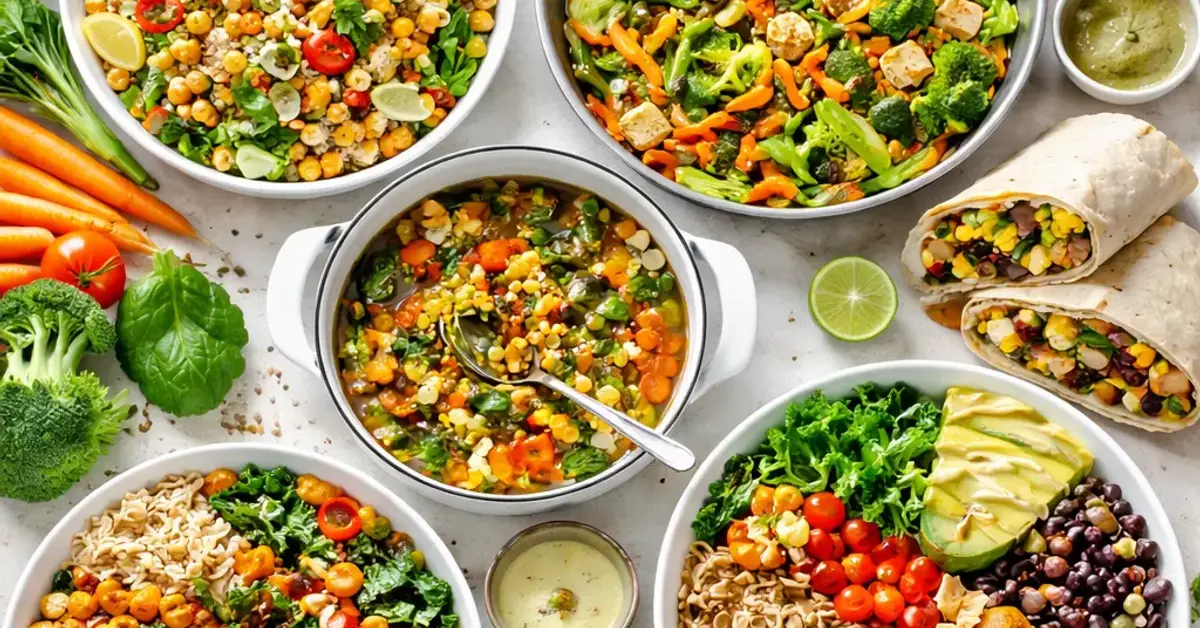
high-fiber meals Key Takeaways
Fiber from vegetables does more than keep things moving; it stabilizes blood sugar, fuels gut bacteria, and helps you feel full for hours.
- Vegetable-heavy high-fiber meals can easily deliver 10–15 grams of fiber per serving without relying on grains or supplements.
- Each recipe uses everyday produce and pantry staples, making it practical for busy weeknights.
- Batch-cooking components like roasted vegetables or cooked lentils cuts daily prep time in half.
Why High-Fiber Meals With Vegetables Matter
Fiber is the indigestible part of plant foods that your body relies on for digestion, heart health, and steady energy. Most adults fall short of the recommended 25–38 grams per day, often because they rely on processed snacks instead of whole vegetables. Shifting toward vegetable-heavy high-fiber meals is one of the simplest ways to close that gap. For a related guide, see Hidden MSG: 10 Easy Ways to Spot It and What to Ask Staff.
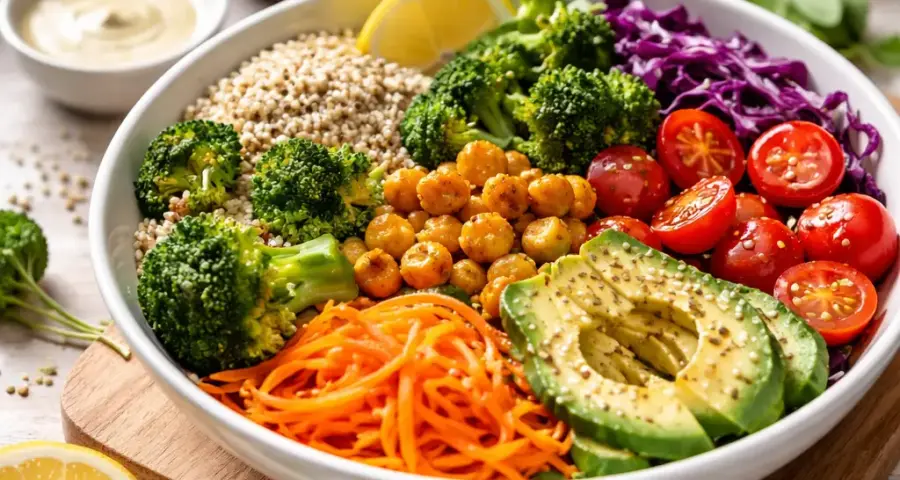
Vegetables such as broccoli, Brussels sprouts, carrots, leafy greens, bell peppers, and legumes supply both soluble and insoluble fiber. Soluble fiber helps manage cholesterol and blood sugar, while insoluble fiber adds bulk to stool and prevents constipation. When you build a meal around these vegetables, you naturally reduce calorie density while increasing nutrient intake.
Breakfast: Starting the Day With High-Fiber Meals
Breakfast sets the tone for your energy and digestion. These two vegetable-forward recipes prove that fiber-packed mornings do not require oats or whole grains.
1. Savory Veggie Scramble With Black Beans
This scramble combines eggs (or tofu) with fiber-rich black beans, spinach, and diced bell peppers. The beans add 7 grams of fiber per half-cup, while the spinach provides iron and additional bulk. For a related guide, see 7 Easy Egg-Free Breakfast Ideas That Are Surprisingly Delicious.
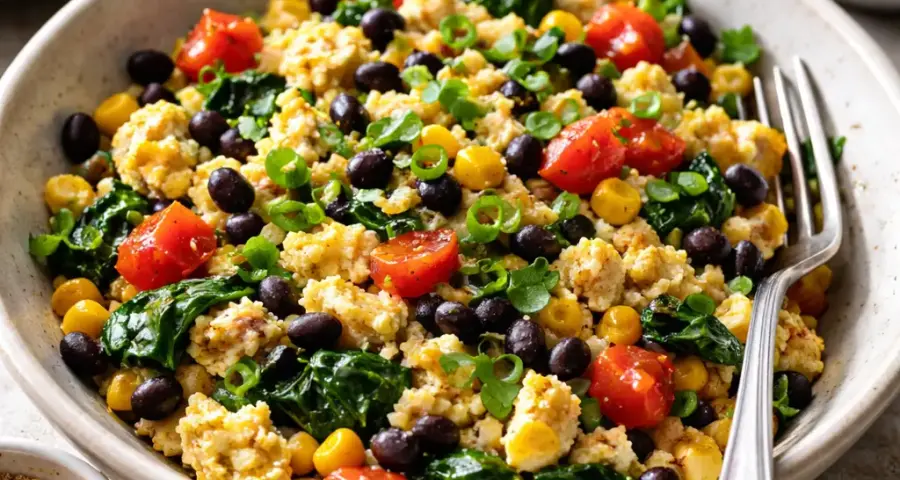
Ingredients: 2 eggs or ½ block crumbled firm tofu, ½ cup cooked black beans, 1 cup fresh spinach, ¼ cup diced red bell pepper, 1 teaspoon olive oil, salt, pepper, and optional avocado slices.
Steps:
- Heat olive oil in a non-stick pan over medium heat.
- Sauté bell pepper for 2 minutes, then add spinach and cook until wilted.
- Add black beans and warm through for 1 minute.
- Pour in beaten eggs or crumbled tofu. Stir gently until cooked through.
- Season with salt and pepper. Top with avocado if desired.
2. Roasted Veggie Breakfast Bowl
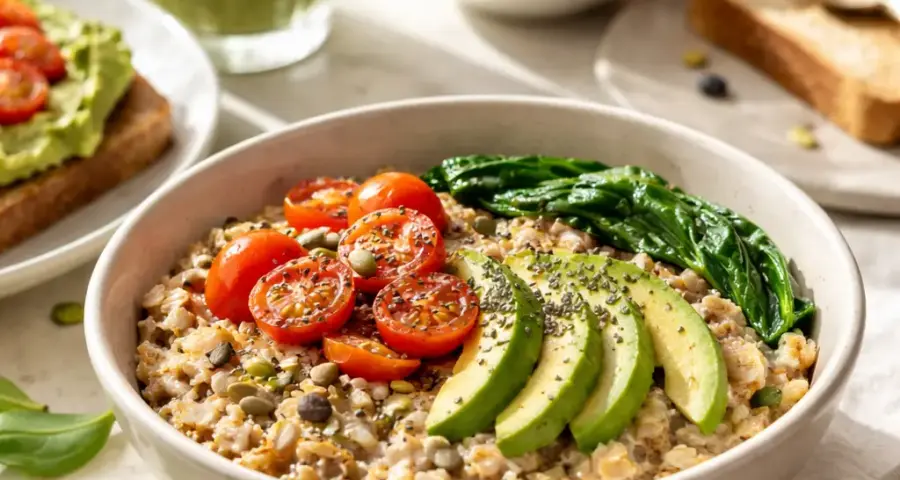
Roasting vegetables the night before makes this bowl a five-minute morning assembly. Sweet potatoes, Brussels sprouts, and red onion roast well together and offer 6–8 grams of fiber per cup.
Ingredients: 1 cup roasted sweet potato cubes, ½ cup roasted Brussels sprouts halves, ¼ cup roasted red onion slices, 1 poached or fried egg, 1 tablespoon tahini or Greek yogurt drizzle.
Steps:
- Reheat roasted vegetables in a skillet or microwave for 1–2 minutes.
- Cook egg to your preference.
- Assemble vegetables in a bowl, top with egg, and drizzle with tahini or yogurt.
Lunch: Satisfying High-Fiber Meals to Power Through the Afternoon
A vegetable-heavy lunch prevents the dreaded afternoon slump. These recipes are portable, easy to pack, and packed with produce.
3. Lentil and Roasted Vegetable Mason Jar Salad
Layers of lentils, roasted vegetables, and greens stay crisp for days when stored correctly. Each jar delivers roughly 12 grams of fiber.
Ingredients: ½ cup cooked green or brown lentils, ½ cup roasted carrots and zucchini, 1 cup mixed greens, ¼ cup cherry tomatoes (halved), 2 tablespoons lemon vinaigrette.
Steps:
- Pour vinaigrette into the bottom of a wide-mouth mason jar.
- Add lentils, then roasted vegetables, then tomatoes.
- Top with mixed greens. Seal and refrigerate.
- When ready to eat, shake the jar to distribute dressing or pour into a bowl.
4. Mediterranean Stuffed Bell Peppers
Bell peppers become edible bowls filled with quinoa, chickpeas, spinach, and feta. One stuffed pepper half provides about 9 grams of fiber.
Ingredients: 2 bell peppers (halved and seeded), 1 cup cooked quinoa, ½ cup chickpeas (rinsed), 1 cup chopped spinach, ¼ cup crumbled feta, 1 teaspoon oregano, salt, pepper.
Steps:
- Preheat oven to 375°F.
- Mix quinoa, chickpeas, spinach, feta, and oregano in a bowl.
- Stuff mixture into pepper halves. Place in a baking dish with ¼ inch water.
- Bake for 25 minutes until peppers are tender. Serve warm or cold.
Dinner: Hearty High-Fiber Meals the Whole Family Will Love
Dinner should feel satisfying without being heavy. These three dishes rely on vegetables and legumes to create depth and texture.
5. Cauliflower and Chickpea Coconut Curry
Cauliflower and chickpeas absorb the rich coconut and spice flavors while contributing 10 grams of fiber per serving. Serve over cauliflower rice for an extra vegetable boost.
Ingredients: 2 cups cauliflower florets, 1 can chickpeas (drained), 1 can light coconut milk, 2 tablespoons red curry paste, 1 cup chopped kale, 1 tablespoon coconut oil.
Steps:
- Heat coconut oil in a large pot over medium heat. Add curry paste and stir for 30 seconds.
- Add cauliflower and chickpeas. Cook for 3 minutes, stirring occasionally.
- Pour in coconut milk and ½ cup water. Simmer for 15 minutes until cauliflower is tender.
- Stir in kale and cook 2 more minutes. Serve hot.
6. Zucchini Noodles With Lentil Bolognese
Zucchini noodles replace pasta to reduce calories and add fiber. The lentil bolognese packs 8 grams of fiber per cup and tastes remarkably like the classic version.
Ingredients: 2 medium zucchini (spiralized), 1 cup cooked brown lentils, 1 can crushed tomatoes, 1 small onion (diced), 2 cloves garlic (minced), 1 tablespoon olive oil, Italian seasoning, salt, pepper.
Steps:
- Heat olive oil in a skillet. Sauté onion and garlic until soft.
- Add lentils, crushed tomatoes, and Italian seasoning. Simmer for 10 minutes.
- In a separate pan, lightly sauté zucchini noodles for 2 minutes (do not overcook).
- Serve bolognese over zucchini noodles. Top with nutritional yeast or Parmesan if desired.
7. Sheet Pan Roasted Vegetables With Crispy Tofu
One sheet pan, minimal cleanup, and endless fiber. Broccoli, carrots, red onion, and edamame roast together while tofu cubes crisp at the edges.
Ingredients: 2 cups broccoli florets, 2 carrots (sliced), 1 red onion (wedged), 1 cup frozen edamame (thawed), 1 block extra-firm tofu (cubed), 2 tablespoons soy sauce, 1 tablespoon sesame oil.
Steps:
- Preheat oven to 400°F. Line a sheet pan with parchment.
- Toss vegetables and tofu with soy sauce and sesame oil. Spread evenly on the pan.
- Roast for 25–30 minutes, flipping halfway through, until edges are browned.
- Serve over brown rice or enjoy as is.
Tips for Meal-Prepping High-Fiber Meals
Consistency is easier when you prep ahead. Here are practical strategies to keep vegetable-heavy dishes ready all week.
- Roast in bulk: On Sunday, roast two sheet pans of mixed vegetables (broccoli, cauliflower, sweet potatoes, Brussels sprouts). Store in airtight containers for up to five days.
- Cook legumes in advance: A batch of lentils or chickpeas on the weekend saves 30 minutes per recipe. Use them in salads, curries, or scrambles.
- Wash and chop greens: Spinach, kale, and mixed greens store well in a container lined with a paper towel. They stay fresh for up to a week.
- Portion mason jar salads: Layer dressing, heartiest vegetables, grains, and greens in jars. Grab one each morning for a ready-to-eat lunch.
- Freeze curry bases: Make a double batch of curry sauce or bolognese. Freeze in portions, then thaw and add fresh vegetables on busy nights.
Useful Resources
For more on the science of dietary fiber, visit the Mayo Clinic’s fiber FAQ. For creative vegetable cooking techniques, check out Cooking Light’s guide to high-fiber vegetables.
Frequently Asked Questions About high-fiber meals
What are the best vegetables for high-fiber meals ?
Broccoli, Brussels sprouts, carrots, sweet potatoes, spinach, kale, bell peppers, and artichokes are among the highest-fiber vegetables. Legumes like lentils, chickpeas, and black beans also count as vegetables in culinary terms and are excellent sources.
How much fiber do I need per day?
Women should aim for 25 grams per day, and men for 38 grams, according to the Academy of Nutrition and Dietetics. Most Americans get only about 15 grams, so adding vegetable-heavy high-fiber meals can close that gap.
Can I get enough fiber without eating grains?
Yes. Vegetables, legumes, nuts, and seeds provide plenty of fiber. For example, one cup of cooked lentils has 15 grams, and a medium artichoke has 10 grams. Grain-free high-fiber meals are entirely achievable.
Will high-fiber meals cause bloating at first?
If you suddenly increase fiber intake, bloating and gas are common. Start by adding one serving of vegetables per day, drink plenty of water, and increase gradually over two weeks. Your gut microbiome adapts quickly.
How do I make high-fiber meals more filling?
Pair vegetables with a protein source (eggs, tofu, lentils, chicken) and a small amount of healthy fat (avocado, olive oil, nuts). Protein and fat slow digestion and enhance satiety alongside fiber.
Are canned vegetables still high in fiber?
Yes, canned vegetables retain their fiber content. Look for varieties labeled “no salt added” or rinse canned legumes to reduce sodium. The fiber remains intact through the canning process.
What is the difference between soluble and insoluble fiber?
Soluble fiber dissolves in water and forms a gel that helps lower cholesterol and stabilize blood sugar. Insoluble fiber does not dissolve and adds bulk to stool. Vegetables like carrots and Brussels sprouts contain both types.
Can high-fiber meals help with weight loss?
Yes, because fiber increases feelings of fullness and reduces overall calorie intake. Vegetable-heavy high-fiber meals are naturally low in energy density, meaning you eat fewer calories for the same volume of food.
Which meal should I focus on for the most fiber?
Dinner is often the easiest meal to load with vegetables, but breakfast and lunch matter just as much. Aim for at least one cup of vegetables or half a cup of legumes at each meal to reach your daily goal.
How do I add fiber to a smoothie?
Add a handful of spinach or kale, a tablespoon of chia or flax seeds, and half an avocado. These ingredients blend smoothly and boost fiber without changing the taste much.
Are frozen vegetables as good as fresh for high-fiber meals ?
Frozen vegetables are often picked at peak ripeness and flash-frozen, locking in nutrients and fiber. They are just as good as fresh, especially for soups, stir-fries, and sheet-pan dinners.
Can I eat high-fiber meals if I have IBS?
Some people with IBS tolerate soluble fiber (found in carrots, sweet potatoes, and oats) better than insoluble fiber. Introduce high-fiber meals slowly and monitor symptoms. A low-FODMAP approach may help identify triggers.
What are the signs of eating too much fiber?
Bloating, gas, cramping, and diarrhea can occur when fiber intake exceeds 50–60 grams per day or increases too quickly. Drink water and reduce portions until your digestive system adjusts.
How long does it take for fiber to improve digestion?
Most people notice more regular bowel movements within a few days to one week after consistently eating high-fiber meals. Full gut microbiome adaptation may take two to four weeks.
Do high-fiber meals lower cholesterol?
Soluble fiber binds to cholesterol in the digestive tract and helps remove it from the body. Oats, beans, lentils, and vegetables like carrots and Brussels sprouts are especially effective.
Can children eat high-fiber vegetable meals?
Yes, but children need less fiber than adults: roughly 19–25 grams per day depending on age. Introduce vegetable-heavy dishes slowly and make them appealing with dips, roasting, or blending into sauces.
What is the easiest high-fiber meal for beginners?
The sheet pan roasted vegetables with tofu is the easiest. It requires minimal prep, one pan, and no special skills. The lentils and roasted vegetable salad is another simple option.
How do I store leftover high-fiber meals ?
Store cooked vegetables and legumes in airtight containers in the refrigerator for up to five days. Freeze curry and bolognese for up to three months. Keep fresh greens separate until ready to eat.
Can I reheat high-fiber vegetable meals?
Yes. Most vegetable dishes reheat well in the microwave or on the stovetop. For sheet-pan vegetables, reheat in a 350°F oven for 5–8 minutes to restore crispness.
Do I need to drink more water when eating high-fiber meals ?
Absolutely. Fiber absorbs water, so adequate hydration prevents constipation. Aim for at least 8 glasses of water per day, and increase that if you sweat heavily or eat more than 30 grams of fiber.