
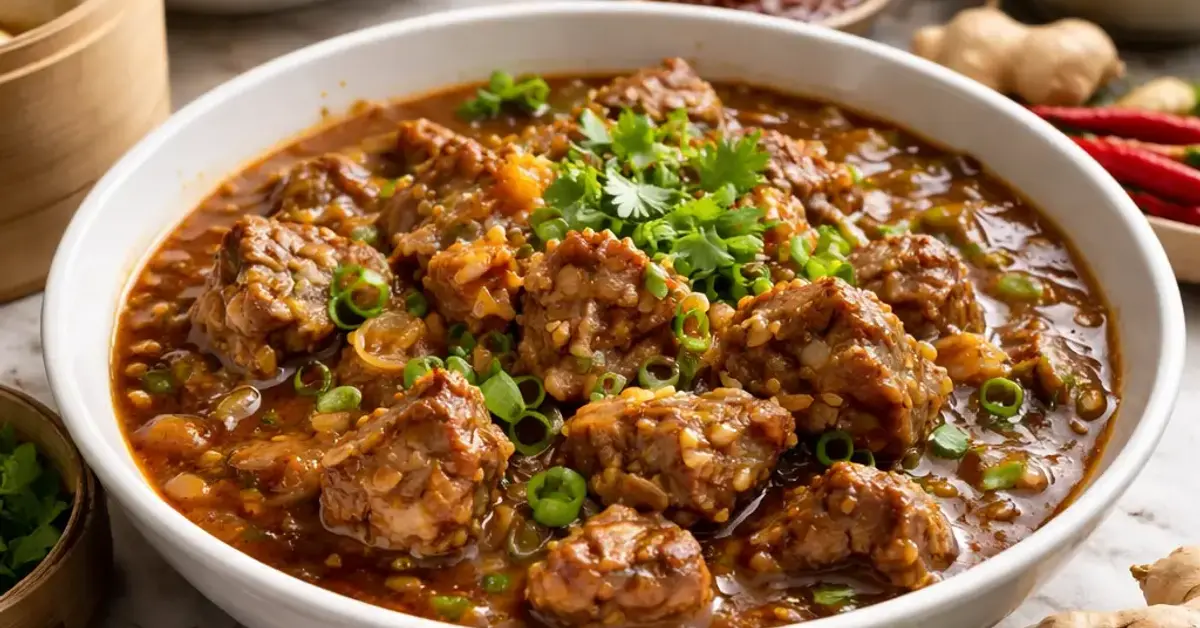
Kooky Plate KL Cantonese Lamb Dish Key Takeaways
This guide walks you through the standout Cantonese lamb dish from Kooky Plate KL — a fragrant, tender preparation that blends wok hei, fermented bean paste, and subtle spices.
- Kooky Plate KL Cantonese Lamb Dish is defined by its savory-sweet glaze, fall-apart texture, and minimal gamey taste.
- Master the two-step cooking method: quick sear followed by slow braise with ginger, scallion, and fermented tofu.
- Serve with steamed jasmine rice and a side of blanched choy sum for an authentic KL experience.
What Makes the Kooky Plate KL Cantonese Lamb Dish So Special
If you wander into Kooky Plate KL at the right hour, the aroma alone pulls you toward the kitchen. The Kooky Plate KL Cantonese Lamb Dish doesn’t rely on heavy marinades or spices to mask the meat. Instead, it highlights the lamb’s natural richness with a Cantonese technique that balances umami, sweetness, and a whisper of five-spice. For a related guide, see Kooky Plate KL Beef Ramen: 7 Secrets Behind the Broth and Noodles.
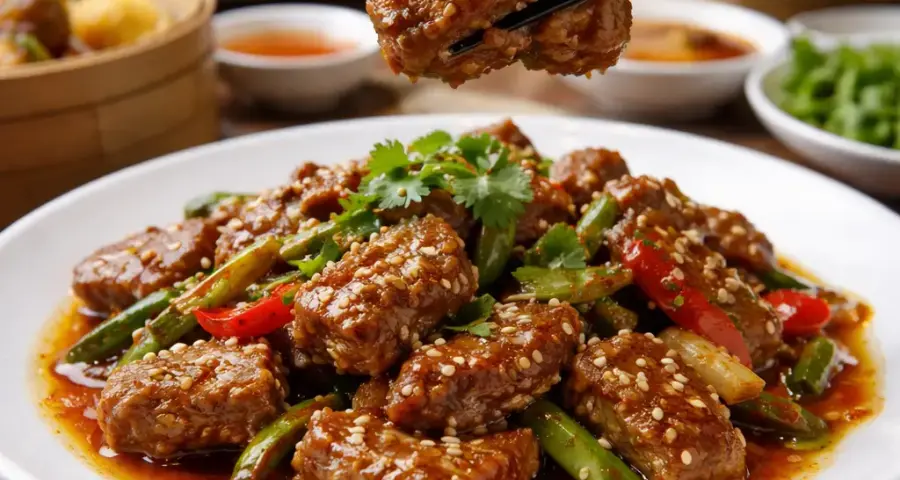
The chef starts with bone-in lamb shoulder, cuts it into generous chunks, and performs a quick high-heat sear in a wok to lock in juices. Then comes the slow braise — a combination of dark soy, fermented red bean curd (nam yue), rock sugar, and whole spices like star anise and cinnamon. The result is meat that clings to the bone yet pulls apart with a fork, coated in a glossy, deeply savory sauce.
What sets this version apart is the restraint. Unlike some heavier stews, this dish lets the lamb speak. The sauce coats each piece without drowning it, and a final scatter of fresh cilantro and sliced red chili adds brightness.
How to Prepare the Kooky Plate KL Cantonese Lamb Dish at Home: Step-by-Step
Recreating this dish requires patience, but the steps are straightforward. Below is a reliable method inspired by the restaurant’s technique. Note that this is an adapted home version — the wok hei and high BTU gas burner at Kooky Plate KL are hard to replicate, but you can come close with a heavy pot and a watchful eye. For a related guide, see Kooky Plate KL Beef Ramen Guide: 3 Secrets to the Broth and Noodles.
Step 1: Choose the Right Cut
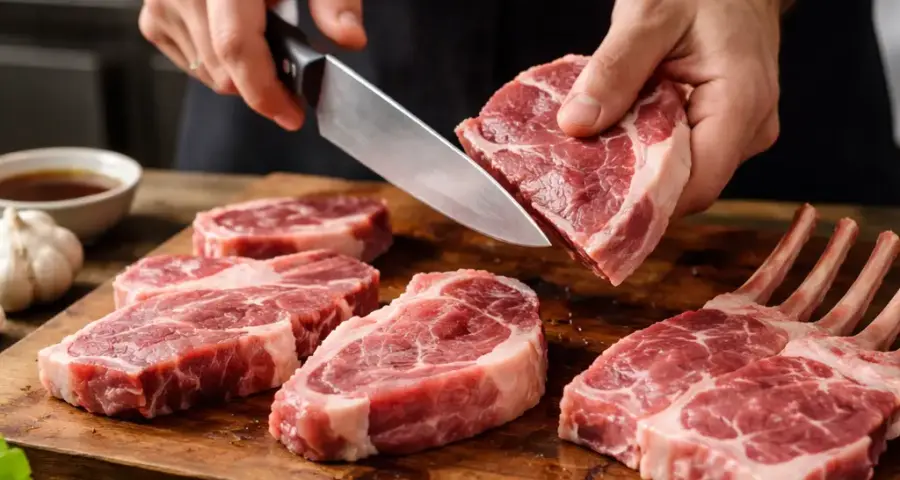
Opt for lamb shoulder or lamb neck. These cuts have enough connective tissue to break down during braising, giving you that tender, almost melt-in-the-mouth texture. Trim excess fat, but leave a thin layer for flavor. Cut into 2-inch cubes — they’ll shrink slightly as they cook.
Step 2: Prep the Aromatics and Sauce Base
You’ll need:
- 2 tablespoons fermented red bean curd (mashed with a fork)
- 1 tablespoon dark soy sauce
- 1 tablespoon light soy sauce
- 1 tablespoon rock sugar or brown sugar
- 1 star anise pod
- 1 small cinnamon stick
- 4 slices of ginger
- 4 scallions, white parts smashed, green parts reserved for garnish
- 2 cloves garlic, smashed
- 1 cup chicken stock or water
Mix the liquid ingredients together in a small bowl. The fermented bean curd provides a creamy, salty depth that’s signature to Cantonese braised dishes.
Step 3: Sear and Braise
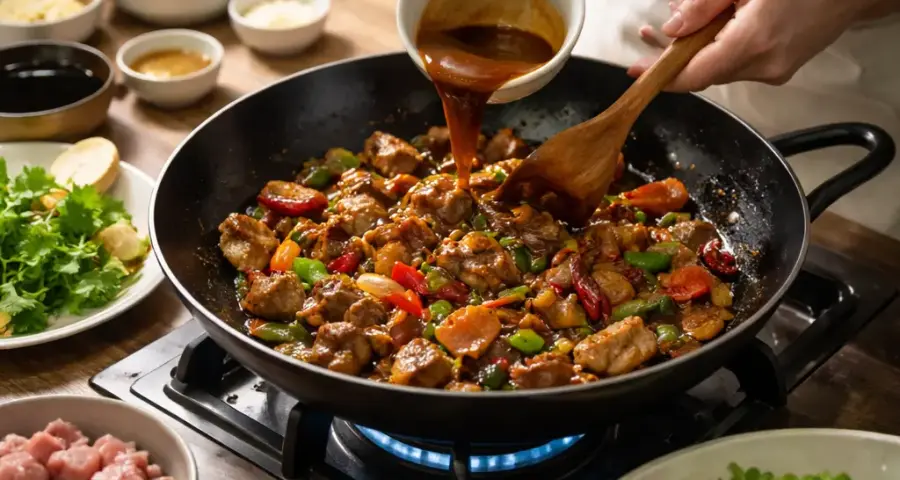
Heat a heavy pot or Dutch oven over high heat. Add a tablespoon of neutral oil. Sear the lamb pieces in batches — do not crowd the pot — until deeply browned on all sides. Remove and set aside.
Lower the heat to medium. Add ginger, scallion whites, and garlic. Stir for 30 seconds until fragrant. Pour in the sauce mixture and deglaze the pot, scraping up the browned bits. Return the lamb to the pot, add star anise and cinnamon, then pour in the stock until the lamb is about three-quarters covered.
Bring to a boil, then reduce to a gentle simmer. Cover and cook for 1.5 to 2 hours, stirring occasionally, until the lamb is tender. Taste and adjust seasoning — you may want a pinch of white pepper or a touch more sugar to balance the saltiness.
Step 4: Finish and Serve
Once the lamb is fork-tender, remove the lid and let the sauce reduce over medium heat for 5-7 minutes until it coats the meat like a thick glaze. Discard the star anise and cinnamon stick. Garnish with scallion greens and fresh cilantro.
Best Ways to Serve Your Kooky Plate KL Cantonese Lamb Dish
This dish demands a simple, neutral backdrop. Steamed jasmine rice is the classic choice — its fluffiness soaks up the sauce without competing. A side of choy sum (or gai lan) blanched with garlic and oyster sauce adds a fresh, slightly bitter counterpoint.
If you’re hosting, serve the lamb in a claypot or a shallow bowl, with the sauce spooned over the top. A cold beer like a Tsingtao or a light lager cuts through the richness, while a cup of hot oolong tea cleanses the palate between bites.
Leftovers (if any) taste even better the next day. Reheat gently on the stove, adding a splash of water if the sauce has thickened too much. The flavors continue to meld overnight.
Common Mistakes When Making Cantonese Lamb — and How to Avoid Them
Even experienced home cooks stumble on a few pitfalls. Here’s what to watch for:
Mistake 1: Skipping the Sear
Browning the lamb isn’t optional. The Maillard reaction creates depth and complexity that a raw braise can’t achieve. Without it, the dish tastes flat and slightly fatty.
Mistake 2: Overpowering the Lamb
Fermented bean curd is salty and pungent. A little goes a long way. Start with two tablespoons and taste before adding more. You want the lamb to remain the star, not the sauce.
Mistake 3: Rushing the Braise
Low and slow is the only path to tenderness. If you crank the heat to speed things up, the meat will toughen and the sauce will reduce too quickly, becoming overly salty. Plan for at least 90 minutes of gentle simmering.
Useful Resources
For more on Cantonese cooking techniques, check out this guide to Cantonese braising from SBS Food. If you want to explore the fermented ingredients that define this dish, Serious Eats offers a helpful explanation of fermented tofu and its uses.
Frequently Asked Questions About Kooky Plate KL Cantonese Lamb Dish
What cut of lamb does Kooky Plate KL use?
The restaurant typically uses bone-in lamb shoulder, which stays moist during the long braise and adds flavor from the marrow.
Can I make this dish with beef instead of lamb?
Yes, beef chuck or brisket works well with the same braising method. Adjust cooking time as beef may need slightly longer to become tender.
What is fermented red bean curd and where do I find it?
Fermented red bean curd (nam yue) is a savory, salty condiment made from soybeans and red yeast rice. You can find it in jars at most Asian grocery stores or online.
Is the Kooky Plate KL Cantonese Lamb Dish very spicy?
No, the dish is mildly spiced. It gets warmth from star anise and cinnamon, not chili heat. The restaurant sometimes serves it with sliced fresh chili on the side for those who want extra heat.
How long does it take to cook this dish from start to finish?
About 2 to 2.5 hours total, including prep time. The active prep is only 20 minutes; the rest is hands-off braising.
Can I use a slow cooker or Instant Pot?
Yes. For a slow cooker, brown the lamb first, then cook on low for 6-8 hours. For an Instant Pot, sear using the sauté function, then pressure cook on high for 45 minutes with natural release.
What does the dish taste like?
It’s savory-sweet with deep umami from the fermented bean curd and soy sauce, complemented by warm spice notes. The lamb is tender and not gamey.
Does Kooky Plate KL offer a vegetarian version?
Not typically. The lamb dish is a signature meat preparation. The restaurant does offer other vegetable-based sides that can round out a meal.
What should I serve with this dish besides rice?
Blanched greens (choy sum, gai lan, or broccoli) drizzled with oyster sauce, or a simple cucumber salad with rice vinegar. Steamed bao buns also work for a more substantial meal.
How do I reduce the gamey taste of lamb?
Blanch the lamb in boiling water for 3-4 minutes before searing. This removes impurities and reduces strong flavors. The ginger and scallion in the braise help too.
Can I freeze leftovers?
Yes. The braised lamb freezes well for up to 3 months. Cool completely, store in an airtight container, and thaw in the fridge overnight before reheating.
What wine pairs with this dish?
A lightly chilled red like a Beaujolais or a Pinot Noir works. For white, try a dry Riesling or a Viognier to balance the sauce’s sweetness.
Is the dish gluten-free?
Traditional soy sauce contains wheat. Use tamari or a gluten-free soy sauce to adapt the recipe. Check that the fermented bean curd brand is also gluten-free.
Does Kooky Plate KL take reservations?
It’s best to check their social media or call ahead. KL dining spots often operate on a walk-in basis, but some accept reservations for dinner.
Why is my sauce too thin?
Remove the lid during the last 15 minutes of cooking and let it boil gently to reduce. Alternatively, mix 1 teaspoon cornstarch with 2 teaspoons water and stir it in.
Can I add vegetables to the braise?
Daikon radish and carrots hold up well. Add them in the last 30-40 minutes so they soften without turning to mush. Avoid leafy greens in the pot — serve them on the side.
What is wok hei and why does it matter?
Wok hei is the smoky, charred flavor achieved by cooking over a very high flame in a seasoned wok. It adds a subtle complexity that’s hard to replicate at home but worth aiming for.
Is this dish expensive at Kooky Plate KL ?
Prices are moderate for KL’s dining scene, typically in the mid-range bracket. The portion is generous, often enough for two when shared with rice and a side.
How do I get the sauce to glaze properly?
After the lamb is tender, remove the lid and increase heat slightly. Stir frequently to prevent sticking, until the sauce thickens and clings to the meat. This usually takes 5-8 minutes.
Where is Kooky Plate KL located?
The restaurant is in Kuala Lumpur, easily accessible via ride-hailing apps. Check their official social media for the exact address and current operating hours.