
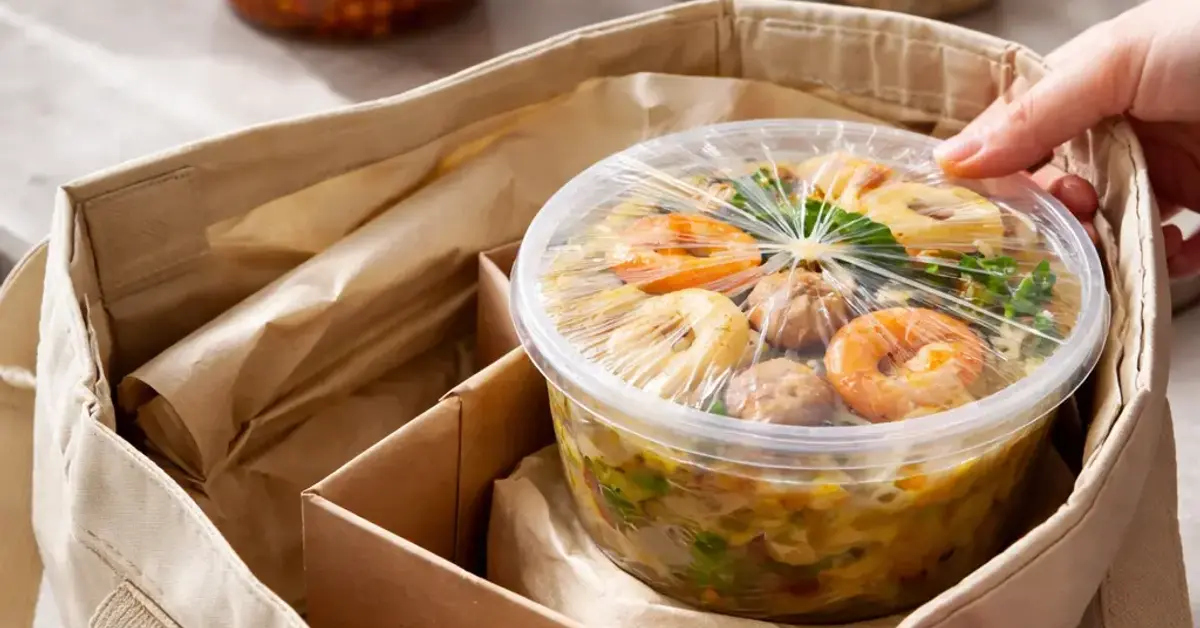
Kooky Plate KL soupy dishes Key Takeaways
Kooky Plate KL’s specialty soupy dishes — from their aromatic nyonya curry laksa to the fiery tom yam udon — are beloved for their rich, complex broths.
- Use dual-compartment or wide-mouth containers to separate Kooky Plate KL soupy dishes from dry ingredients.
- Cool the broth slightly before packing to reduce pressure build-up and lid pop-off.
- Double-wrap lids with cling film or use silicone sealing bands for extra security during transport.
What Makes Kooky Plate KL soupy dishes Tricky to Pack
Kooky Plate KL’s specialty soupy dishes — from their aromatic nyonya curry laksa to the fiery tom yam udon — are beloved for their rich, complex broths. But that same liquid gold is what makes takeout a challenge. The broth is hot, the noodles are slurp-worthy, and the containers are often packed to the brim. Without a proper packing strategy, you risk leaking broth all over your car seat, bag, or kitchen counter. For a related guide, see 7 Best Soupy Dishes to Order at Kooky Plate KL During Rainy Weather.
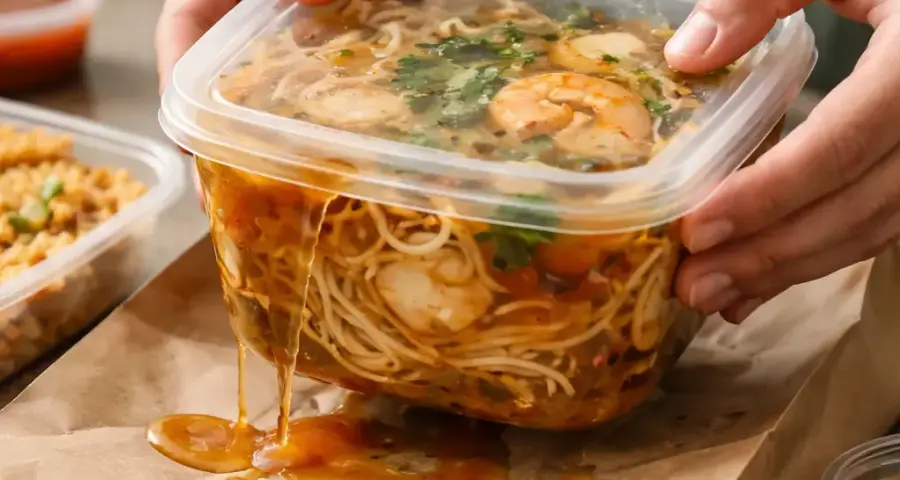
The good news? You don’t need fancy gadgets. A few smart techniques will turn any Kooky Plate KL soupy dish into a travel-ready meal.
5 Simple Steps to Pack Kooky Plate KL soupy dishes Like a Pro
Follow these steps every time you order takeout from Kooky Plate KL, and you’ll enjoy your soup exactly as it was meant to be — no spills, no stress. For a related guide, see Best Dishes That Travel Well for Delivery: Avoid Soggy Fries and Cold Pasta.
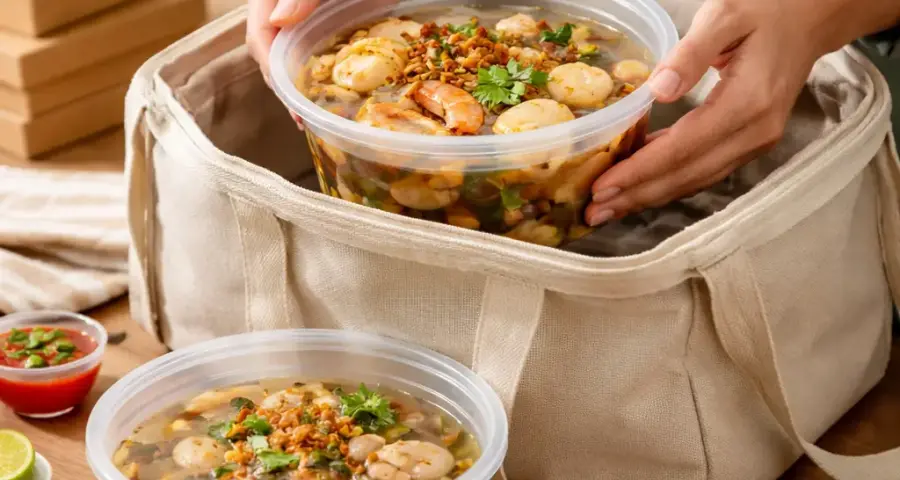
Step 1: Choose the Right Container
A flimsy plastic container is a spill waiting to happen. Instead, opt for containers with:
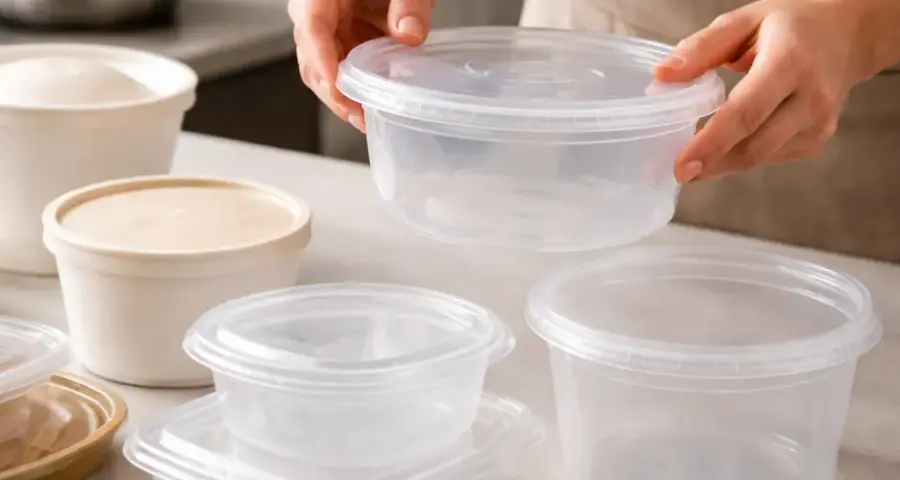
- Wide, screw-on lids (not pop-on) — they create a tighter seal.
- Dual compartments — keep noodles and broth separate until you’re ready to eat. This prevents noodles from absorbing all the liquid and getting mushy.
- Insulated walls — they keep the broth hot and reduce condensation, which can weaken the lid seal.
Many home cooks now use stainless steel soup jars with airtight silicone rings. They’re reusable and ideal for Kooky Plate KL soupy dishes.
Step 2: Cool the Broth for 5 Minutes Before Packing
This is a game-changer. If you pour boiling-hot broth directly into a sealed container, the steam builds pressure and forces the lid open — or causes it to bulge and leak. Let the soup sit for about 5 minutes after cooking. The temperature will drop just enough to reduce steam pressure, but the soup will still be piping hot when you eat it.
Step 3: Double-Layer the Lid
Even the best container can use backup. Before screwing or snapping on the lid, cover the container’s mouth with a layer of cling film. Press it down gently so it forms a tight seal over the rim, then put the lid on top. This double-layer trick is used by many professional takeout kitchens and works every time.
For an eco-friendly version, invest in reusable silicone stretch lids. They fit over the container rim and hold firm, especially when combined with a rigid lid.
Step 4: Fill Only ¾ Full
It’s tempting to pack every last drop, but overfilling a container is the number one cause of spillage during transport. Leave at least 25–30% headspace in the container. This gives the liquid room to slosh without forcing the lid open. If you have leftover broth, pack it separately in a smaller container.
Step 5: Secure Everything in a Leak-Proof Bag
Even the best-packed container can tip over in a tote bag. Place the container upright in a leak-proof, zippered wet bag or a hard-sided lunch box. If you’re carrying multiple containers, place a tea towel or paper towels between them to absorb any minor drips.
When carrying the bag, hold it level and avoid swinging it. Treat your Kooky Plate KL soupy dish like the treasure it is.
Common Mistakes When Packing Kooky Plate KL soupy dishes
Even with the best intentions, people slip up. Avoid these frequent errors:
- Packing soup while still boiling: The steam pressure will pop the lid off or cause condensation to weaken the seal.
- Using a container that’s too thin: Single-use takeout containers can crack under heat or pressure. Always use BPA-free, microwave-safe, reusable containers.
- Mixing noodles and broth too early: The noodles will over-absorb the liquid and become bloated. Keep them separate until you’re ready to eat.
- Relying only on a snap-on lid: Snap-on lids are fine for salads but not for hot liquid. Always use a screw-on or lockable lid for soupy dishes.
Quick Tips for Mess-Free Transport
Here are a few bonus hacks that regular Kooky Plate KL fans swear by:
- Use a muffin tin: Place your soup container in the cup holder of your car — it keeps it upright and stable.
- Pre-warm the container: Rinse your container with hot water before adding the soup. This helps the food stay hot longer and reduces thermal shock on plastic.
- Label your container: If you’re packing multiple dishes, write the name on the lid with a marker so you don’t have to open every one to find what you want.
Useful Resources
For more on safe food transport and proper takeout packing, check out these credible sources:
- FDA Food Safety at Home: Delivery and Takeout — official guidelines on handling takeout food safely.
- Healthline: How to Pack Lunch Safely — practical advice on keeping food at the right temperature and preventing leaks.
Frequently Asked Questions About Kooky Plate KL soupy dishes
Can I use a regular plastic container for hot soup?
Yes, but only if it’s BPA-free and rated for hot food. Thin takeout containers can warp or leak. Use a container with thick walls and a screw-on lid for Kooky Plate KL soupy dishes.
Should I freeze my soup before packing it for takeout?
No. Freezing changes the texture of most soups, especially those with coconut milk or noodles. It’s better to pack it hot but slightly cooled, as described in Step 2.
How do I keep the noodles from getting soggy?
Pack the noodles and broth in separate compartments. If you don’t have a divided container, place a silicone cup or foil ball inside the container to hold the noodles above the broth until you’re ready to eat.
What’s the best container for curry laksa?
A wide-mouth glass jar with a rust-proof metal clip lid works well for Kooky Plate KL soupy dishes like curry laksa. The wide mouth makes filling and cleaning easy, and the clip lid is very secure.
Can I use a vacuum-sealed container?
Yes, but wait until the soup has cooled down to near room temperature before sealing it. Vacuum-sealing hot soup can cause the container to implode or the liquid to boil inside the container.
How do I clean messy spills from car upholstery?
Blot the spill immediately with paper towels, then apply a mixture of white vinegar and water (1:1). Use a microfiber cloth to dab, not rub. For stubborn stains, use a dedicated upholstery cleaner.
Is it safe to pack soup in a stainless steel container?
Yes. Stainless steel is food-safe, non-reactive, and durable. Choose a double-walled vacuum-insulated container to keep your Kooky Plate KL soupy dish hot for hours.
How long can I keep packed soup at room temperature?
Food safety guidelines recommend discarding cooked soup if it has been at room temperature for more than two hours. If you need to transport it for longer, use an insulated bag and pack an ice pack for the noodles.
What should I do if the lid won’t close properly?
Check for food debris on the rim. Wipe it clean with a damp cloth. If the container itself is warped, transfer the soup to a new container that seals correctly.
Can I reuse takeout containers from Kooky Plate KL?
Yes, if they are made of sturdy plastic or glass. Wash them thoroughly with hot soapy water. Avoid reusing containers that have become cloudy, cracked, or smell of old food.
How do I pack soup for a long commute?
Use a wide-mouth thermos designed for soup. Preheat it by filling with boiling water for 5 minutes, then drain and add the hot soup. The thermos will keep the broth hot and prevent spills during bumpy rides.
Should I remove the bones before packing bone broth?
Yes. Bones can puncture the lid or leak sharp edges. Strain the broth and pack it separately. If you want the bones, wrap them in a separate sealed bag.
What if my soup container leaks in my backpack?
Immediately remove all items and wash them. For paper items, blot and dry with a fan. Use a waterproof liner in your backpack going forward to protect your belongings.
Can I pack soup with dumplings or wontons?
Yes, but pack the dumplings or wontons separately from the broth. Place them in a single layer on a plate lined with parchment paper, then wrap tightly. Add them to the soup only when you’re ready to eat.
How do I prevent soup from spilling in a cooler bag?
Stand the container upright and wedge it in place with rolled-up kitchen towels or a dedicated container holder. This prevents the container from tipping over during transport.
Is it necessary to use a second bag for the soup?
Not always, but it’s a good idea. Place the sealed container inside a small, waterproof zippered bag before putting it into your larger tote or cooler. This contains any accidental drips.
Can I microwave the container I used for takeout?
Only if the container is labeled microwave-safe. Glass and ceramic are generally safe. Avoid microwaving plastic containers that aren’t explicitly rated for high heat.
How do I know if my container is truly leak-proof?
Fill the container with water, close the lid, and shake it vigorously over a sink. If no water escapes, it’s leak-proof. Do this test before packing valuable soup.
What are the best eco-friendly alternatives to plastic containers for soup?
Glass jars with silicone lids, stainless steel insulated containers, and bamboo-fiber containers with tight-fitting lids are all excellent plastic-free options for packing Kooky Plate KL soupy dishes.
Can I pack spicy soup without the smell leaking everywhere?
Use a glass or stainless steel container with a rubber seal. These materials do not absorb odors. After eating, rinse the container immediately with cold water, then wash with baking soda to neutralize any lingering smell.