
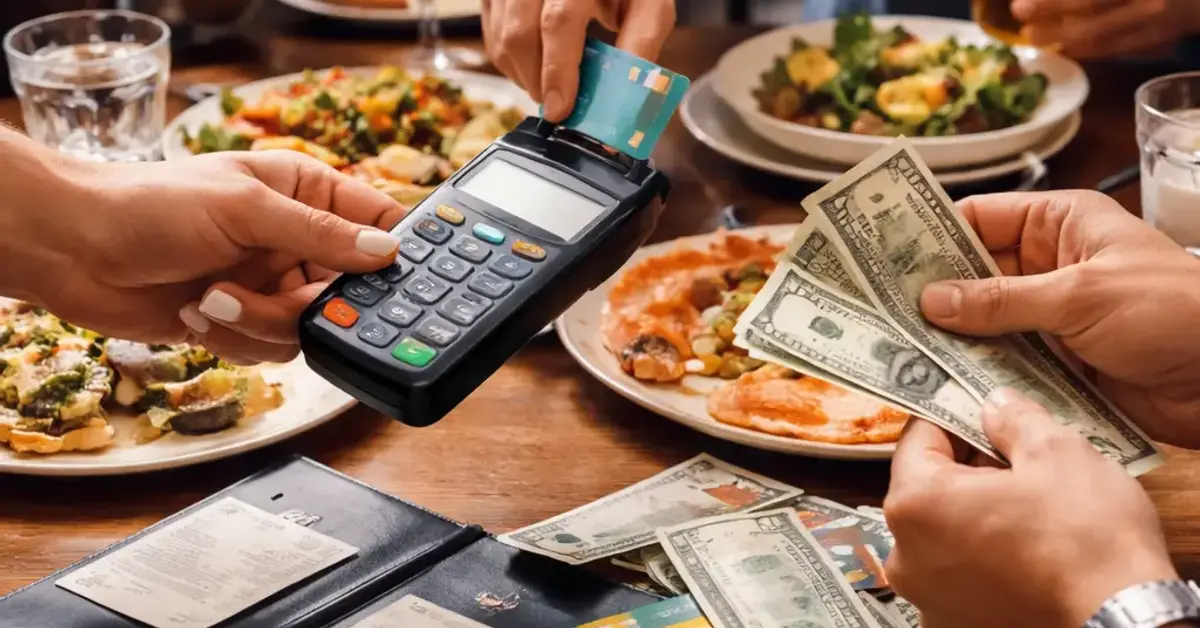
split payment methods for group dining Key Takeaways
Mastering split payment methods for group dining saves time, avoids restaurant pushback, and keeps group outings fun.
- Learn the one‑server rule that makes splitting cash and card seamless.
- Discover how to pre‑communicate payment preferences without awkwardness.
- Get a step‑by‑step script for each phase of the meal — from ordering to checkout.
Why split payment methods for group dining matter for a smooth experience
Dining out with friends or colleagues should be about great food and conversation — not a stressful math problem at the end of the meal. Yet many people dread the bill phase because of disorganised payment requests or restaurant policies that limit how many cards can be processed.
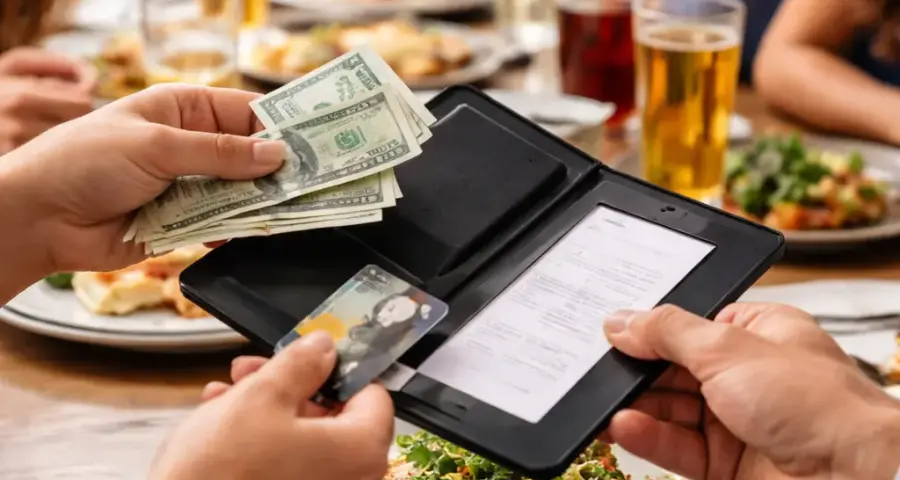
A smart cash‑and‑card combo solves both problems. You reduce the number of transactions (good for the server) while letting each person pay their exact share (good for your group). The key is knowing how to structure the split before the server ever arrives at the table.
The biggest mistake groups make at the bill stage
Most groups wait until after the meal to discuss payment. That forces a rushed conversation while the server stands by. By then, the restaurant’s POS system may already have closed the check, making split payments harder or even impossible.

Instead, decide your approach during appetisers. That gives you time to confirm with the server what’s allowed and to adjust orders if someone plans to pay separately.
How to choose the right split payment methods for group dining before you order
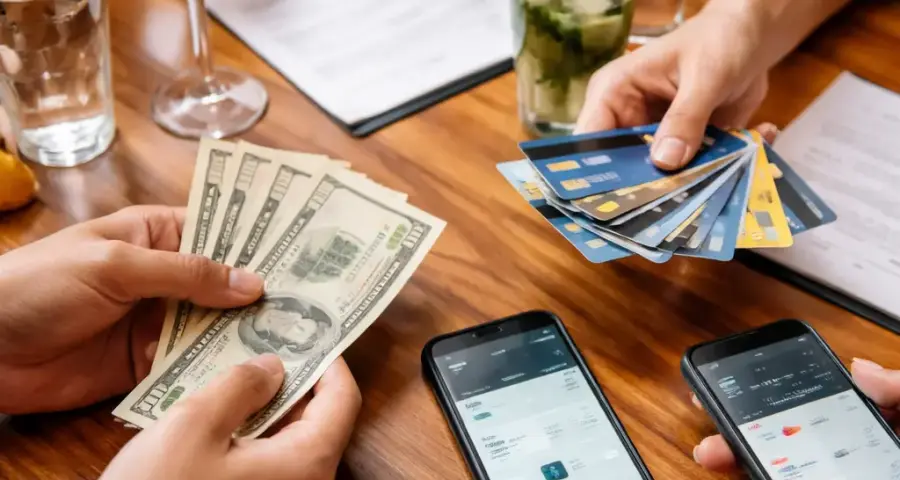
Not every restaurant handles payments the same way. Your first step is to pick a strategy that fits both the venue’s rules and your group’s preferences. Here are the three most reliable options.
Option 1: The “separate checks from the start” method
Ask the server to keep individual checks from the moment you order. This works best when each person orders their own items and no one wants to share appetisers or desserts. Many restaurants can do this easily, especially if you inform them upfront.
Pros: Everyone pays exactly what they ordered. No math at the end. Cons: Your server has to juggle several tabs, which can slow service during busy hours. It also makes splitting shared dishes a hassle.
Option 2: The “one card + cash pool” method
One person pays the entire bill with their card, and everyone else reimburses them in cash or via a payment app. This is the simplest approach for the restaurant, and it works in any venue.
Pros: Fast checkout, one receipt, no card limits. Cons: The cardholder carries the float until they’re repaid. If someone forgets cash, the cardholder is stuck.
Option 3: The “cash covers fixed costs, card covers individual” method
This is the ideal split payment methods for group dining combo. Agree as a group that cash will cover shared items (appetisers, drinks for the table, tip) and each person pays their own entrée and drinks with their own card. The server runs the card payments first, then applies the cash to the shared items. For a related guide, see 5 Smart Ways to Split Bills Fairly at Kooky Plate KL.
Pros: Fair, transparent, and works with most POS systems. Cons: Requires upfront agreement on what counts as “shared.”
Step‑by‑step guide to executing your cash‑card combo
Once you’ve chosen Option 3 as your preferred method, follow these steps to ensure everything runs smoothly.
Step 1: Nominate a “cash captain” before the meal starts
One person should volunteer to collect and hold all cash contributions for shared items. They’ll also be responsible for communicating the payment plan to the server. This avoids multiple people shouting instructions at once.
Step 2: Confirm shared items with the group
During the first round of ordering, clearly agree on what will be split: table appetisers? Bottle of wine? Dessert for the table? Write it down or note it in a phone list. The cash captain will track the total for these items.
Step 3: Tell the server your plan early
When the server first comes to the table, say something like: “We’d like to keep track of appetisers and shared drinks separately — we’ll pay for those with cash at the end. Everyone else will order individually and pay with their own card.” Ask if that works with their system. Most servers appreciate the heads‑up.
Step 4: Order with clarity
When the server takes individual orders, each person can say “I’ll put this on my card.” For shared items, the cash captain says “Put that on the table tab, please.” This keeps the order separate from the start and avoids confusion later.
Step 5: Check the bill before payment
When the meal ends, ask the server for a combined receipt. The cash captain reviews the shared charges — are they accurate? Did anyone mistakenly add a personal drink to the table tab? Once verified, the cash captain pays those items with the collected cash.
Step 6: Each person pays their individual balance with their own card
After the cash payment is processed (or alongside it, depending on the POS), each guest hands over their card for their own items. The server can run the cards one by one. If the restaurant limits the number of card transactions, the cash captain can use their card first and collect reimbursements via a payment app. For a related guide, see Does Kooky Plate KL Accept Credit Cards? 2 Key Payment Methods to Know.
Common obstacles and how to overcome them
Even with a perfect plan, real‑world restaurant policies can throw a wrench in your strategy. Here’s how to handle the most frequent issues.
The restaurant won’t split checks
Some venues, especially busy ones or those with older POS systems, simply refuse to split a table’s payment into multiple cards. In that case, switch to Option 2: one card pays the full bill, and everyone sends cash or app payment to the cardholder. To make it fair, use a free bill‑splitting app that handles tax and tip allocation.
Someone forgot cash for the shared pool
Agree ahead of time that if someone doesn’t have cash, they can send the cash captain an electronic payment — Venmo, PayPal, or your local equivalent — before the cash is handed over. The cash captain then has the exact amount in hand.
Shared items got mixed up with individual orders
If the server accidentally put a shared bottle of wine on a person’s individual check, don’t panic. Politely ask the server to move that charge from the individual check to the table tab. Most POS systems can do this with a few keystrokes.
Best practices for splitting cash and card like a pro
These tips will make the process even smoother and help you avoid awkward moments.
- Use a visible sign (like a coaster) to mark the cash captain. Everyone knows who to pay without having to ask around.
- Set a cash contribution amount per person for shared items early — e.g., “We’ll all chip in ₹10 for the appetisers.” That removes guesswork.
- Over‑communicate with the server — confirming the payment plan at both ordering and pre‑dessert stages ensures nothing slips.
- Always tip on the total bill, not just your portion. If the group pays individually, ask the cash captain to add the full tip to the cash pool before distributing.
- Practice empathy for the server. A complicated split can slow their service for other tables. Being organised is a courtesy that they’ll appreciate.
Frequently Asked Questions About split payment methods for group dining
Useful Resources
- NerdWallet — The Best Ways to Split a Restaurant Bill: Practical tips for handling uneven splits, tax, and tip.
- Etiquette Scholar — Splitting the Bill Gracefully: A guide to managing payments smoothly without creating awkwardness at the table.
Frequently Asked Questions About split payment methods for group dining
What is the best split payment method for group dining with cash and card?
The most effective method is the “cash covers shared items, cards cover individual” approach. It minimises card transactions and keeps each person responsible for their own spending.
Can I split a restaurant bill between cash and card at the same time?
Yes, most POS systems can process both payment types on the same check. The server can first apply cash to one portion and then run a card for the remaining balance.
How do I ask the server to split payment methods without sounding difficult?
Be direct and polite: “We’d like to pay for appetisers and shared drinks with cash, and everyone will pay for their own meal with a card. Can we do that?” Most servers appreciate the clarity.
What if the restaurant charges a fee for separate checks?
Many restaurants in the U.S. and Europe waive the fee if you ask upfront. If not, use the one‑card method and have everyone reimburse the cardholder via a payment app.
How do you split a bill when some people pay cash and others use cards?
Agree on a shared‑item pool paid in cash. Each person with a card pays only their own items. The server processes cash first, then runs the individual cards.
Is it rude to ask for separate checks in a group?
Not at all, as long as you tell the server at the start. It becomes rude only if you spring it on them after the meal, causing a delay.
How do you split a bill evenly when one person only has cash?
Have the cash‑only person pay their share into the cash pool for shared items. Then use a card for the remaining balance and let that person reimburse the cardholder later.
Do popular payment apps help with splitting cash and card bills?
Yes, apps like Venmo, PayPal, or Splitwise let you split uneven totals easily. They’re especially useful when the cash pool doesn’t match the shared‑item total exactly.
How do you handle tax and tip when splitting cash and card?
Add the full tax and a generous tip to the cash pool before distributing. That way the card transactions only cover base food and drink costs.
Can you split a bill with two cards and cash?
Yes. The server processes cash first, then runs as many cards as needed for the remainder. Just confirm the maximum number of cards your restaurant allows.
What do I do if the restaurant refuses to accept cash?
Some venues are cash‑free. In that case, the cash captain can collect cash, deposit it into a personal account via an app, and then pay the entire bill with their card.
How do you split a bill when someone arrives late?
If they join after appetisers, they simply pay for their own items with a card. The shared‑item cash pool should already be settled by the early arrivals.
Is it okay to use a payment app for the cash portion?
Yes, many groups do. The cash captain collects digital payments, then uses that balance to pay the cash portion — or withdraws it as cash if the restaurant requires physical bills.
How do you split a bill in a foreign country with both cash and cards?
Research local payment norms. In many European countries, cash is king for shared items. Bring enough local currency, and plan to pay individual items with a travel‑friendly card.
What if someone in the group is unreachable after the meal?
Use a payment app that can send a request. If they don’t respond, the cash captain absorbs the loss — so it’s best to only nominate someone who trusts the group.
Can I split a bill with cash and card using a restaurant’s mobile ordering app?
Some apps allow per‑item assignment to different payers. Look for “split by item” or “pay as you order” features. If not available, use the manual method described above.
How do you avoid the awkward “who owes what” moment?
Send a quick group message during the meal with the running shared total. Everyone calculates their share early, so by dessert, the cash pool is ready.
Do you tip differently when splitting cash and card?
No. Tip 15–20% on the full pre‑tax total. Ideally, add the tip to the cash pool so the server gets it immediately.
What’s the most common mistake groups make with cash‑card splitting?
Not agreeing on what counts as “shared” until the bill arrives. That confusion often leads to someone paying more or less than their fair share.
Is it better to use a single card and collect cash, or split from the start?
Single‑card is simplest for the restaurant. Split from the start gives more transparency. Choose based on your group’s trust level and the restaurant’s policy.