
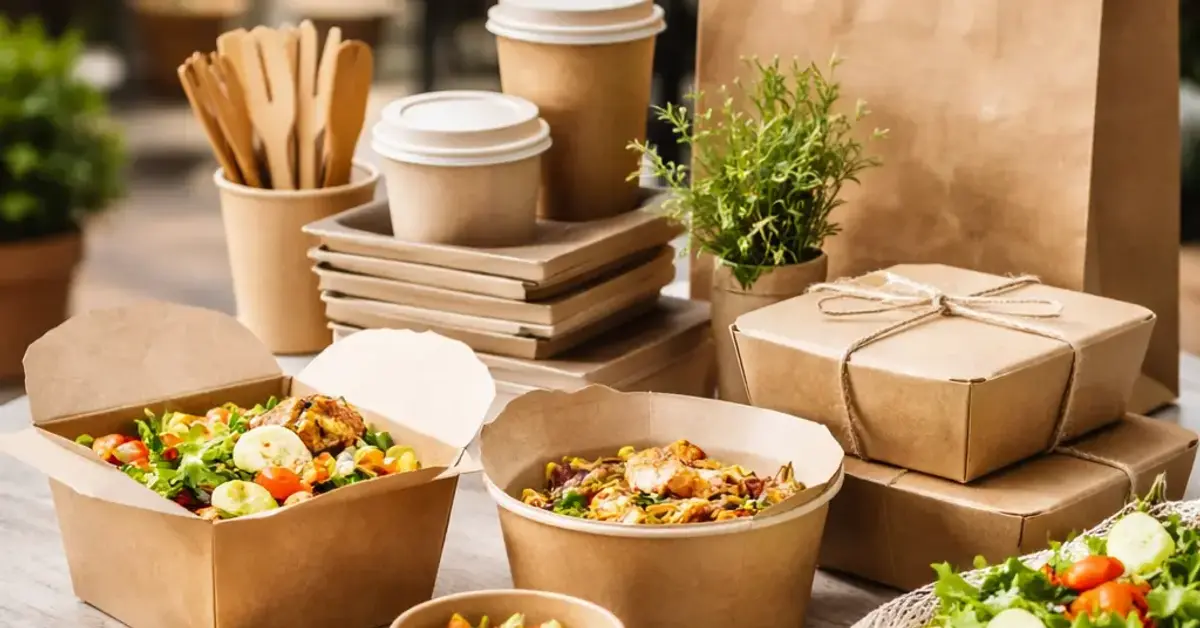
eco-friendly takeout packaging Key Takeaways
Kooky Plate KL is redefining takeout with eco-friendly takeout packaging that balances convenience, food safety, and environmental responsibility.
- Kooky Plate KL uses certified compostable materials like bagasse, PLA-lined paper, and bamboo cutlery for all takeout orders.
- Switching to eco-friendly takeout packaging lowers landfill waste, supports local recycling systems, and costs no more than conventional options.
- Customers can take simple actions from ordering smart to returning or reusing containers to maximise sustainability.
Understanding Eco-Friendly Takeout Packaging at Kooky Plate KL
Kooky Plate KL has always championed fresh, flavourful meals. Now it extends that care to the planet by adopting eco-friendly takeout packaging. This means every delivery and takeaway order comes in materials designed to be reused, composted, or recycled, rather than left to linger in a landfill. For a related guide, see Best Dishes That Travel Well for Delivery: Avoid Soggy Fries and Cold Pasta.
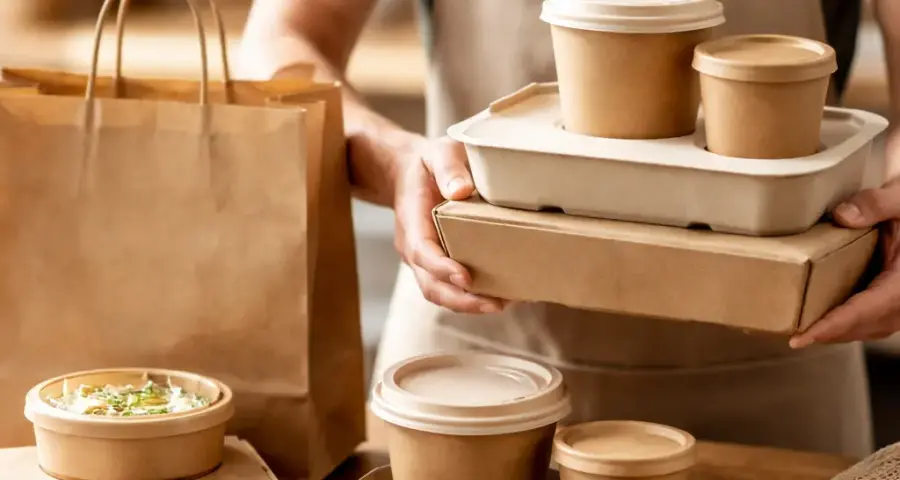
The restaurant collaborates with certified suppliers who provide plant-based containers, biodegradable bags, and non-toxic inks. The result is a packaging system that preserves food quality and keeps environmental impact low. For a related guide, see How to Order Takeout by Phone: Easy Steps for Number, Payment and Pickup Time.
What Makes Packaging Eco-Friendly?
For packaging to earn the eco-friendly label, it must meet criteria such as being made from renewable resources, being recyclable or compostable in local facilities, and producing fewer greenhouse gases during manufacture. At Kooky Plate KL, each item is vetted for compliance with Malaysia’s environmental standards.
Types of Sustainable Materials Used by Kooky Plate KL
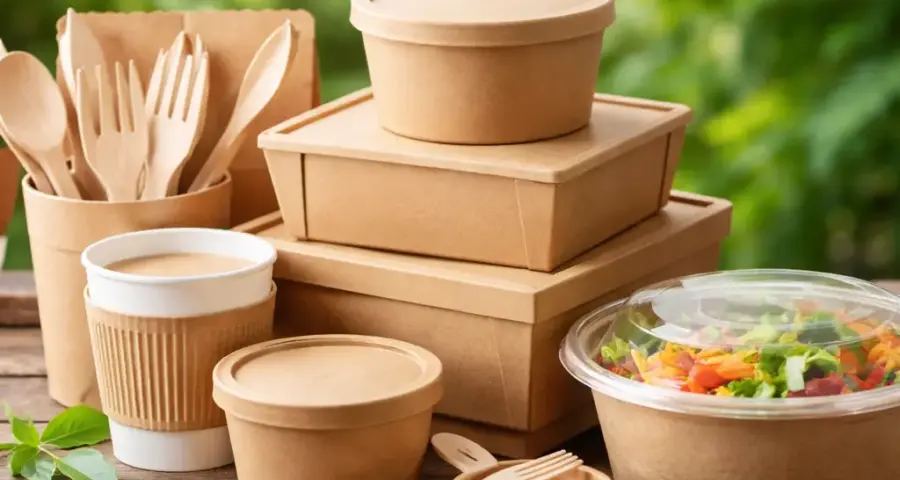
Kooky Plate KL has carefully selected materials that perform well for various dishes while remaining kind to the Earth. Here are the main types of eco-friendly takeout packaging you will encounter.
Bagasse Containers for Hot and Cold Meals
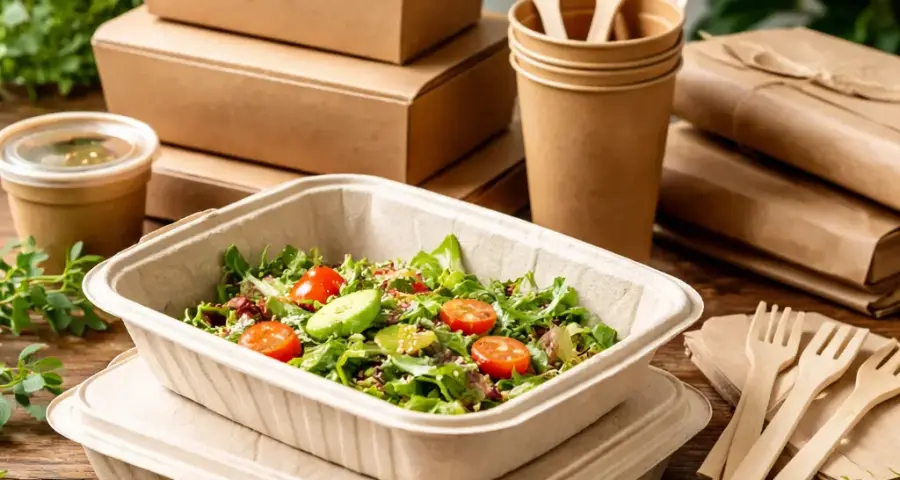
Bagasse is a fibrous byproduct of sugarcane processing. It is sturdy, microwave-safe, and fully compostable. Kooky Plate KL uses bagasse clamshells and trays for burgers, rice bowls, and noodles. These containers replace polystyrene foam, which never biodegrades.
PLA-Lined Paper Cups and Bowls
Polylactic acid (PLA) is a plant-based plastic derived from cornstarch. When used as a thin liner inside paper bowls and cups, it provides a moisture barrier without petroleum. These items can break down in commercial composting facilities within 90 days.
Bamboo Cutlery and Wooden Stirrers
Instead of disposable plastic forks and spoons, Kooky Plate KL offers bamboo cutlery that is durable, lightweight, and compostable. Wooden stirrers replace plastic versions used for coffee and tea.
Environmental Benefits of Choosing Sustainable Packing
Adopting eco-friendly takeout packaging has measurable positive effects for the local environment and beyond.
- Reduced plastic pollution: Plant-based materials break down naturally, reducing the volume of plastic entering oceans and waterways.
- Lower carbon footprint: Manufacturing bagasse and PLA emits fewer greenhouse gases than producing conventional plastics.
- Support for local composting: When disposed correctly, these materials can be processed in industrial composting facilities, creating nutrient-rich soil.
- Healthier food contact: Eco-friendly packaging contains no BPA, phthalates, or other harmful chemicals that can leach into food.
5 Smart Tips for Customers to Maximise Sustainability
You can amplify the impact of Kooky Plate KL’s sustainable packaging by following these practical tips.
Tip 1: Order Portions That Fit Your Needs
Choosing appropriate portion sizes reduces leftover food and packaging waste. If you are unsure, ask staff for recommendations.
Tip 2: Reuse Containers When Possible
Bagasse and paper containers can often be washed and reused a few times for dry storage. Bring your own clean container to the restaurant for refills if they offer that option.
Tip 3: Dispose Correctly — Compost or Recycle
Check with your local council about composting facilities. Some materials, like PLA-lined cups, need industrial composting. If home composting is your only option, stick to uncoated paper and bagasse.
Tip 4: Skip Unnecessary Extras
Decline single-use condiment packets, extra napkins, and plastic straws. Kooky Plate KL already uses minimal packaging, but every little bit counts.
Tip 5: Spread the Word
Tell friends and family about Kooky Plate KL’s commitment to eco-friendly takeout packaging. Positive word-of-mouth encourages other businesses to follow suit.
Useful Resources
Learn more about sustainable packaging standards and waste management in Malaysia from these trusted sources:
- Malaysian Solid Waste Management and Public Cleansing Corporation — official guidelines on recycling and composting.
- Zero Waste Malaysia — community resources for reducing waste at home and in business.
Frequently Asked Questions About eco-friendly takeout packaging
What exactly is eco-friendly takeout packaging ?
It refers to containers, utensils, and bags made from renewable, compostable, or recyclable materials such as bagasse, PLA, paper, bamboo, or glass, designed to reduce environmental harm compared to conventional plastic packaging.
Does Kooky Plate KL charge extra for sustainable packaging?
No. Kooky Plate KL absorbs the cost of eco-friendly takeout packaging as part of its commitment to sustainability. There is no surcharge for customers.
Can I microwave bagasse containers?
Yes, bagasse containers are microwave-safe for reheating most foods. Avoid them in conventional ovens, as they can dry out or burn.
Are the containers waterproof?
Bagasse and PLA-lined paper containers are water-resistant but not fully waterproof. They can hold sauces and soups for a reasonable time, but prolonged contact may cause softening.
How long does it take for bagasse to break down?
In an industrial composting facility, bagasse can degrade in 60–90 days. In a home compost pile, expect 6–12 months depending on conditions.
Is PLA really compostable?
PLA is industrially compostable but does not break down easily in home composting. It requires temperatures above 55°C and specific microbial environments found in commercial facilities.
Can I recycle PLA-coated paper?
In most municipal recycling systems, PLA-coated paper is not accepted because the coating contaminates paper recycling. It should go to industrial composting instead.
Does bamboo cutlery splinter easily?
High-quality bamboo cutlery, like that used by Kooky Plate KL, is smooth and robust. It may splinter if gnawed or misused, so treat it like any wooden utensil.
Can I wash and reuse bamboo forks and spoons?
Yes, you can hand-wash bamboo cutlery with mild soap and water. Let it dry thoroughly. Reusing them several times extends their lifecycle before composting.
What should I do if my area lacks composting facilities?
If composting is unavailable, dispose of bagasse and paper in the general waste bin. While not ideal, these materials will still break down faster than plastic.
Are there any health risks with eco-friendly packaging?
No. Eco-friendly takeout packaging from Kooky Plate KL is free from BPA, phthalates, and other toxic chemicals, making it safer for food contact than many conventional plastics.
Does the packaging affect food taste?
Properly designed eco-friendly packaging does not impart any flavour to food. Bagasse and PLA are neutral in taste and odour.
How does Kooky Plate KL ensure packaging quality?
The team sources from certified suppliers and conducts regular quality checks for durability, leak resistance, and food safety compliance.
Can I bring my own container for takeout?
Yes, Kooky Plate KL welcomes customers who bring clean, food-safe containers. Some branches offer a small discount for doing so.
Are the bags used for delivery compostable too?
Delivery bags are made from recycled paper or compostable plastic, depending on the order. Check with the restaurant for current bag materials.
Why doesn’t Kooky Plate KL use glass containers?
Glass is heavy and breakable, increasing transportation emissions and safety risks. Bagasse and paper are lighter, safer, and have a lower overall carbon footprint for takeout.
Is there a deposit system for containers?
Kooky Plate KL is piloting a container deposit program at selected outlets. Customers pay a small refundable fee and return containers for reuse.
How can I identify certified compostable packaging?
Look for labels like OK Compost, BPI Compostable, or the seedling logo. Kooky Plate KL’s packaging displays these certifications for transparency.
Will Kooky Plate KL switch to reusable container systems in the future?
The restaurant is actively exploring reusable takeout models, including partnerships with local zero-waste initiatives. Stay updated via their social media channels.
What’s the single best thing I can do to support eco-friendly takeout?
Order only what you will eat, dispose of packaging correctly, and share your positive experience with others. Every small action multiplies the impact.