
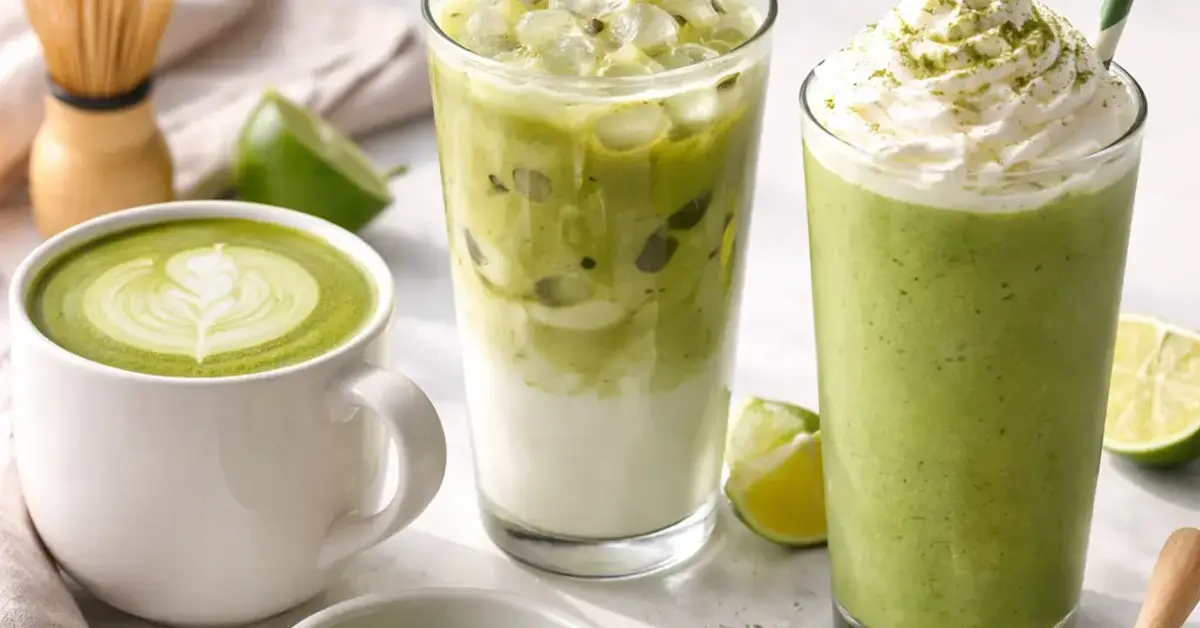
hot vs iced vs blended matcha Key Takeaways
Choosing the right matcha drink depends on your mood, the weather, and the texture you crave.
- hot vs iced vs blended matcha comes down to three factors: temperature preference, desired texture, and caffeine kick.
- Hot matcha offers a slow-release energy boost and a traditional umami flavor, while iced matcha provides a quick, cooling lift.
- Blended matcha (like a frappe or smoothie) is the sweetest, creamiest option and works best as a treat or meal replacement.
What to Consider Before Picking Your Matcha Drink
Before you order or make your next cup, think about three things: the weather outside, your current mood, and the texture you want to feel in your mouth. These three factors will almost always point you toward the right choice among matcha drinks.
Weather and Season
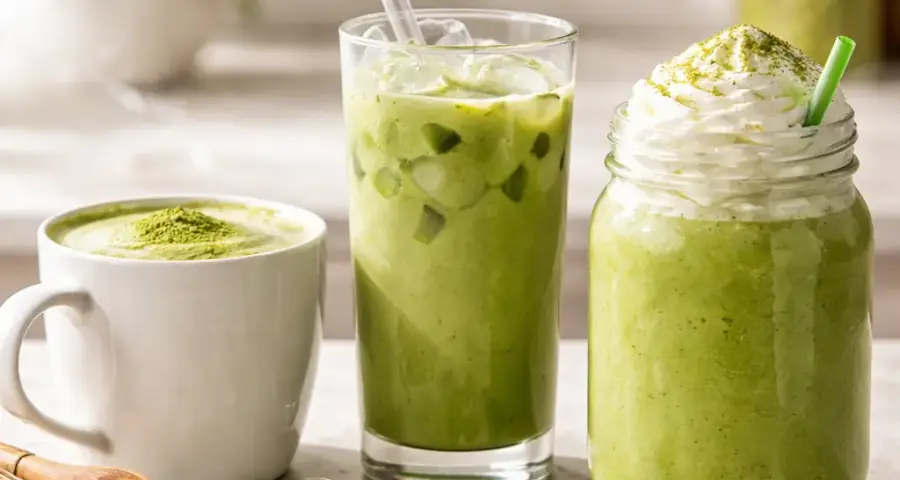
Hot matcha is a natural winter and fall choice. It warms you from the inside and feels cozy on a chilly morning. Iced matcha shines in spring and summer — it’s refreshing without being heavy. Blended matcha works year-round, especially as a cool afternoon pick-me-up or a dessert-like treat. For a related guide, see 8 Best Cold Noodles and Iced Drinks to Beat the KL Heat.
Mood and Energy Needs
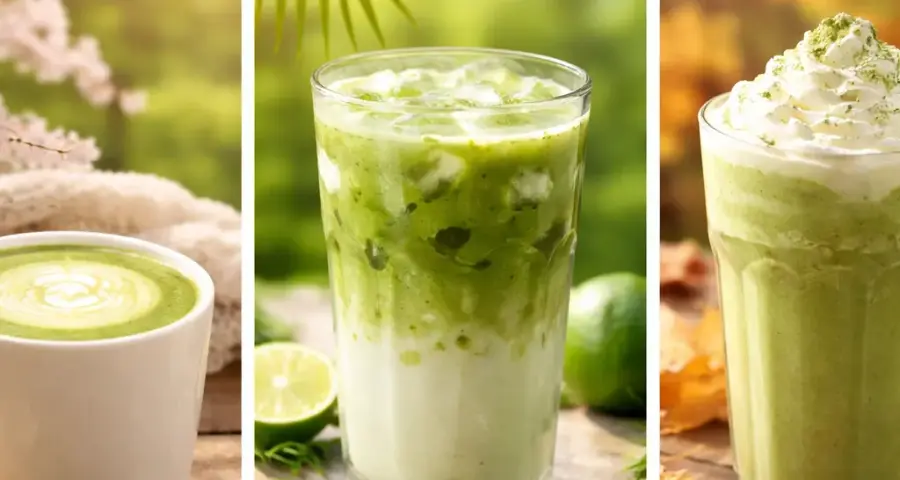
If you want to sit down, relax, and sip slowly, go hot. If you need a quick, refreshing energy boost to power through an afternoon slump, iced is your friend. If you want something indulgent that feels like a reward (or a meal replacement), blended matcha wins every time. For a related guide, see 7 Kooky Plate KL Specialty Drinks You Must Try: Lattes, Matcha and More.
Texture Preference
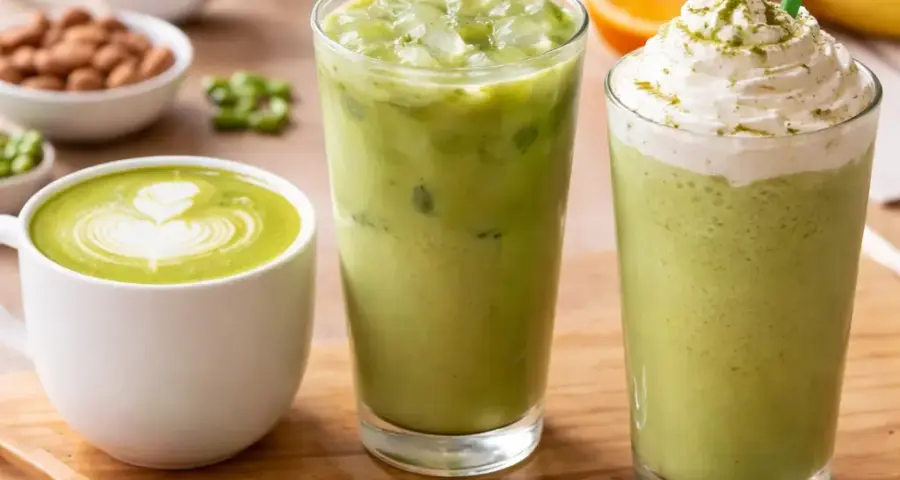
Hot matcha has a thin, smooth mouthfeel with a slight froth on top if whisked properly. Iced matcha is similarly thin but colder and often diluted with milk or water. Blended matcha is thick, creamy, and almost milkshake-like — it’s the most texturally unique option.
Hot vs Iced vs Blended Matcha: A Detailed Comparison
Let’s break down each type so you know exactly what you’re getting. Each has a distinct flavor profile, caffeine release, and best-use scenario.
Hot Matcha — The Traditionalist’s Choice
Hot matcha is made by whisking high-quality matcha powder with hot water (not boiling) until smooth and frothy. It delivers the purest, most concentrated matcha flavor — grassy, umami, with a hint of sweetness. Because there’s no ice dilution, the caffeine hits steadily over 30–60 minutes, giving you calm alertness without a crash. Ideal for meditation, focused work, or a quiet morning ritual.
Best for: Cold days, morning routines, traditional matcha lovers, low-sugar diets.
Iced Matcha — The Refreshing Optimizer
Iced matcha is either shaken with ice or poured over ice after whisking. The cold temperature mutes bitterness and highlights the vegetal sweetness of the tea. Because it’s often combined with milk (oat, almond, or dairy), iced matcha lattes are wildly popular. The caffeine release is faster since you tend to drink it quicker, making it a great pre-workout or afternoon energizer.
Best for: Warm weather, on-the-go drinking, lighter sweetness, social café visits.
Blended Matcha — The Indulgent All-Rounder
Blended matcha is essentially a matcha smoothie or frappé — matcha powder blended with milk, ice, and often a sweetener like honey, vanilla syrup, or banana. The result is thick, creamy, and cold, almost like a dessert. Because of the added ingredients, the caffeine is more diluted, but the drink is more filling. Many people use blended matcha as a breakfast or post-workout meal replacement.
Best for: A treat, meal replacement, hot days, kids, or anyone new to matcha who wants a sweeter intro.
How to Customize Your Matcha Drink for the Perfect Sip
No matter which type you choose, small tweaks can make a big difference. Here are quick customization tips for each style.
Hot Matcha Customizations
- Swap water for oat milk to make a creamy latte.
- Add a pinch of cinnamon or cardamom for warmth.
- Use ceremonial-grade matcha for the smoothest, least bitter taste.
Iced Matcha Customizations
- Shake with ice and a splash of vanilla syrup for a café-style iced latte.
- Use coconut milk for a tropical twist.
- Add a squeeze of lemon for a citrusy, antioxidant boost (the flavor is surprising but good).
Blended Matcha Customizations
- Blend with a frozen banana for natural sweetness and creaminess.
- Add a scoop of vanilla or unflavored protein powder for a post-workout recovery drink.
- Toss in a handful of spinach — you won’t taste it, but you’ll get extra nutrients.
Summary Recommendation Table
| Criterion | Hot Matcha | Iced Matcha | Blended Matcha |
|---|---|---|---|
| Flavor intensity | Strong, pure, umami | Mild, crisp, slightly sweet | Creamy, sweet, diluted |
| Texture | Thin, smooth, frothy | Thin, cold, refreshing | Thick, creamy, icy |
| Best time of year | Fall, winter, spring mornings | Spring, summer, afternoons | Any season as a treat |
| Caffeine effect | Slow, steady, calming | Faster, more alert | Milder, often with protein/fat |
| Calories (plain) | ~5–10 | ~5–10 (without milk) | ~100–300 (depends on add-ins) |
| Ease to make at home | Easy (whisk + water) | Easy (whisk + ice) | Moderate (blender needed) |
| Best for matcha newbies | No (bitter if low quality) | Yes (milder taste) | Yes (sweet and creamy) |
Useful Resources
For deeper dives into matcha grades and preparation techniques, check out Ippodo Tea’s guide to matcha grades. If you’re interested in the science behind matcha’s unique caffeine-and-L-theanine balance, this PubMed study on the cognitive effects of matcha is worth a read.
Frequently Asked Questions About hot vs iced vs blended matcha
Which matcha drink has the most caffeine?
Hot matcha typically has the highest caffeine concentration because it uses pure matcha powder without dilution from ice or milk. Iced and blended versions usually contain less caffeine per serving because of added liquids.
Is hot or iced matcha healthier?
Both are equally healthy when made with the same amount of matcha powder. Iced matcha may be slightly less bitter, but the antioxidant content is nearly identical. The healthiest choice is whichever you’ll actually drink without adding too much sugar.
Can you make blended matcha without a blender?
You can use a shaker bottle with a mixing ball, but the texture won’t be as creamy. A blender is best for achieving that thick, smooth frappé consistency.
What’s the best milk for iced matcha lattes?
Oat milk is the most popular because its creamy texture complements matcha without overpowering it. Almond milk and coconut milk also work well, though they’re thinner. Dairy milk gives a rich, traditional latte feel.
Does hot matcha taste different from iced matcha?
Yes. Hot matcha is earthier, grassier, and more savory (umami). Iced matcha tastes milder and sweeter because cold temperatures dull bitterness and bring out subtle sweetness.
Which matcha drink is easiest for beginners?
Iced matcha lattes or blended matcha smoothies are the gentlest introduction. The milk and sweetener mask any bitterness from lower-grade matcha, making them far more approachable than plain hot matcha.
Can I use the same matcha powder for all three drinks?
Yes, but culinary-grade matcha works best for iced and blended versions because it’s designed to hold up with milk and sweeteners. Ceremonial-grade is best reserved for hot matcha where its delicate flavor shines.
How do I keep iced matcha from getting watery?
Make a concentrated matcha shot by whisking it with a small amount of hot water first, then pour it over ice and milk. This prevents dilution and keeps the flavor strong.
Is blended matcha a good post-workout drink?
Yes. Add a scoop of protein powder and a banana for carbs and protein. The caffeine and antioxidants also support recovery and focus after exercise.
What sweetener works best in hot matcha?
Honey and maple syrup dissolve well and complement matcha’s earthy notes. Stevia or monk fruit work if you want zero-calorie options. Avoid granulated sugar unless you dissolve it beforehand. For a related guide, see Less Sweet Guide: 6 Easy Tips for Matcha Lattes and Lemonade.
Can I make blended matcha with ice cream?
Absolutely. Blend matcha powder with vanilla ice cream and a splash of milk for an indulgent matcha milkshake. It’s more dessert than drink, but delicious.
Which matcha drink is least likely to stain my teeth?
Blended matcha and iced matcha with milk are slightly less staining than hot matcha because the milk and ice dilute the pigment. Still, all matcha can cause staining over time. Drink water afterward to rinse.
How much matcha powder should I use per drink?
Typically 1 to 2 teaspoons (2 to 4 grams) per 8–12 ounce drink. Use 2 teaspoons for a stronger kick or a more pronounced matcha flavor, 1 teaspoon for a milder taste.
What’s the caffeine difference: hot vs iced vs blended matcha ?
Hot matcha has the highest caffeine concentration. Iced matcha has slightly less due to dilution. Blended matcha often has the least caffeine per ounce because of added ice, milk, and fruit. However, if you drink a large blended size, the total caffeine can still be comparable.
Can I drink blended matcha for breakfast?
Yes. Blend matcha with a frozen banana, oat milk, and a handful of spinach or protein powder for a quick, balanced breakfast that provides steady energy.
Does hot matcha need to be whisked?
For the best texture and flavor, yes. A bamboo whisk (chasen) creates a smooth, frothy drink. If you don’t have one, a milk frother or a jar with a lid (shaken vigorously) works in a pinch.
Is iced matcha just hot matcha poured over ice?
Not exactly. If you pour hot matcha over ice, it becomes watery and loses its fresh flavor. A better method is to whisk matcha with a small amount of hot or room-temp water, then add cold milk and ice.
What does blended matcha taste like?
It tastes like a creamy, slightly sweet, grassy milkshake. The matcha flavor is subtle and blends beautifully with vanilla, banana, or chocolate. It’s the most dessert-like of the three.
Can I use matcha powder in a smoothie without clumping?
Yes. Blend the matcha powder first with a small amount of warm water or milk to create a paste, then add your other ingredients. This prevents clumps and ensures even distribution.
Which matcha drink is most popular in cafés?
Iced matcha lattes are by far the most popular café order globally. They’re visually appealing, easy to customize, and refreshing. Hot matcha is a close second among traditional tea drinkers.