
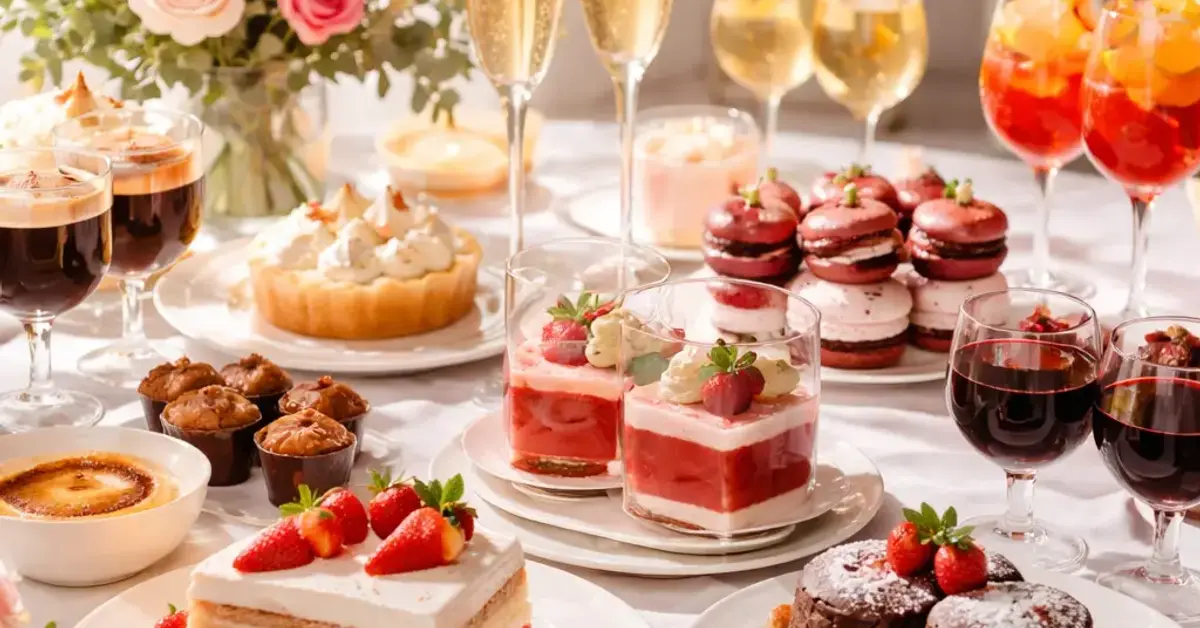
anniversary dessert and drink Key Takeaways
Celebrating your anniversary with the perfect sweet treat and a thoughtfully paired drink turns an ordinary evening into a lasting memory.
- The best anniversary dessert and drink pairings balance flavor intensities: rich desserts need bold drinks, light sweets call for crisp or sparkling beverages.
- Presentation matters more than you think — a pretty plate, proper glassware, and soft lighting elevate the experience instantly.
- Timing your dessert course after a pause between dinner and sweets lets your palate reset and builds anticipation.
Why Thoughtful Anniversary Dessert and Drink Pairings Create Memorable Moments
An anniversary is a milestone — a chance to pause, reflect, and celebrate the life you are building together. While dinner gets most of the attention, the sweet finale carries emotional weight. When you serve a dessert that is made — or at least chosen — with care, and pair it with a drink that complements every bite, you are saying, “I know you, and I treasure you.”
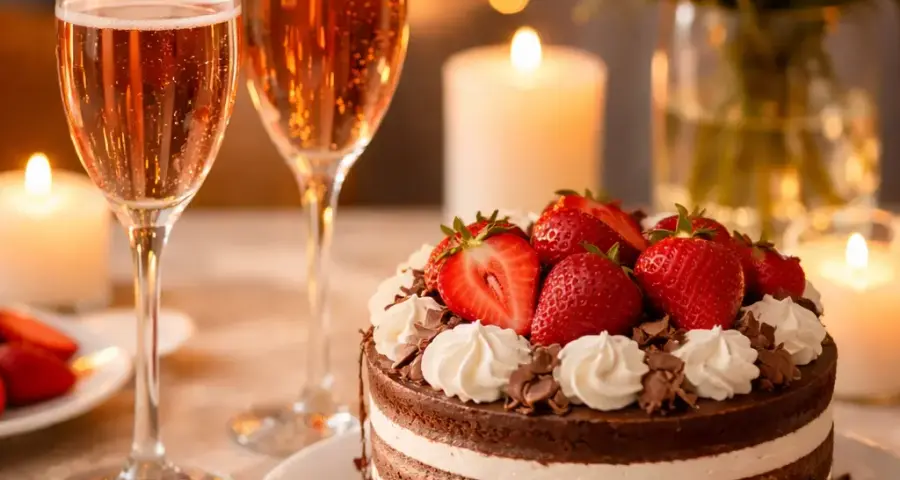
Great pairings do not have to be complicated. A little knowledge about flavor profiles (sweetness, acidity, richness, and texture) is all you need. This guide walks you through seven pairings that work for different tastes, plus the small details that turn dessert into a romantic ceremony. For a related guide, see 5 Best Ways to Compliment the Chef and Staff After a Great Meal.
7 Romantic Anniversary Dessert and Drink Pairings to Try
Each of these combinations is designed to highlight the best in both the dessert and the drink. Pick one that matches your partner’s favourite flavours.
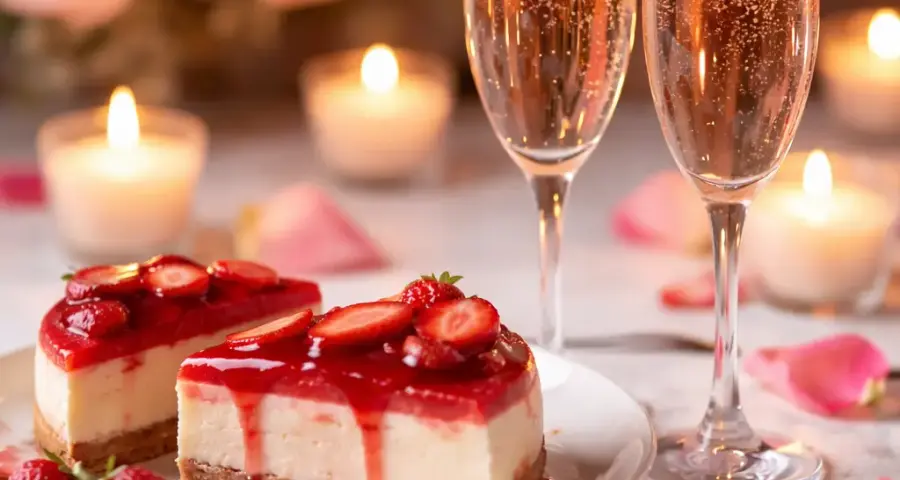
1. Flourless Chocolate Cake + Cabernet Sauvignon
The deep, bittersweet notes of rich chocolate cake call for a full-bodied red wine. Cabernet Sauvignon’s dark fruit and subtle tannins cut through the cake’s density without overpowering it. Serve the wine slightly below room temperature for the best effect.
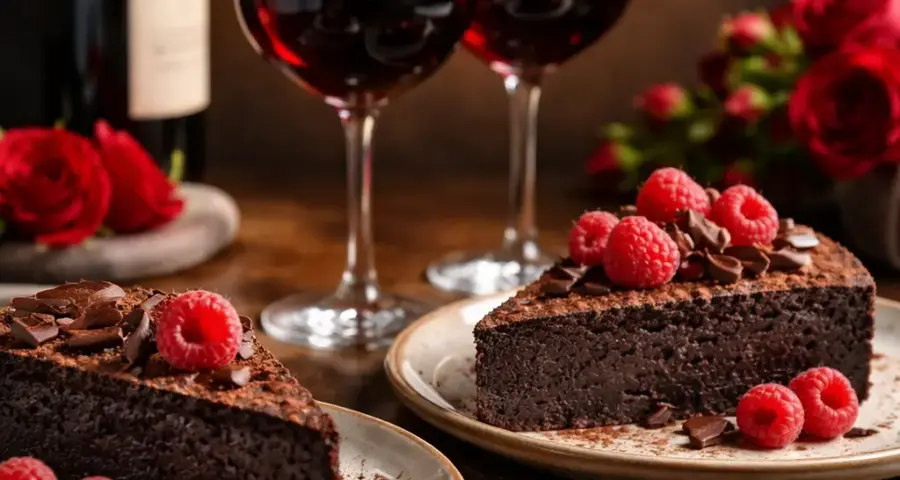
2. Lemon Sorbet + Prosecco
Light and tangy, lemon sorbet refreshes the palate. Prosecco’s bubbles and crisp apple notes mirror the citrus without adding extra sweetness. This pairing is ideal after a heavy meal because it feels clean and uplifting.
3. Salted Caramel Crème Brûlée + Tawny Port
The caramelised sugar and creamy custard find a perfect companion in the nutty, dried-fruit notes of a 10-year Tawny Port. The salt in the caramel balances the wine’s sweetness, creating a long, lingering finish.
4. Fresh Berry Tart + Moscato d’Asti
A buttery crust filled with pastry cream and topped with mixed berries sings when paired with a lightly sparkling, low-alcohol Moscato. Its peach and orange blossom flavours echo the fruit’s natural sweetness.
5. Dark Chocolate Truffles + Single Malt Scotch
For couples who appreciate bold, savoury-sweet endings, dark truffles (70% cocoa or higher) match beautifully with a Speyside single malt. The scotch’s honeyed malt and gentle spice elevate the chocolate’s complexity.
6. Vanilla Panna Cotta + Espresso Martini
The creamy, delicate vanilla of panna cotta pairs surprisingly well with the bitter coffee and vodka kick of an espresso martini. Serve the cocktail in a chilled martini glass next to a small, chilled bowl of panna cotta. For a related guide, see How to Host a Small Work Lunch Meeting at Kooky Plate KL: 7 Easy Steps.
7. Tiramisù + Vin Santo
This classic Italian dessert — layered with espresso-soaked biscuits and mascarpone — naturally matches Vin Santo, a traditional Italian dessert wine with notes of apricot and honey. A small biscotti on the side completes the experience.
How to Turn Your Anniversary Dessert and Drink Into a Romantic Experience
Pairing is only half the magic. The setting and timing matter just as much. Here is a step-by-step checklist to follow on the night of your celebration.
Step 1: Clear the Table Completely
Remove dinner plates, salt shakers, and clutter. A clean surface signals that a new part of the evening is beginning. Use a crisp tablecloth or placemats if you have them.
Step 2: Lower the Lighting
Dimmer switches or a few candles (unscented) set a softer, more intimate mood. Aim for warm, amber light rather than bright white.
Step 3: Choose the Right Glassware
Use wine glasses for wine, flute glasses for sparkling drinks, and a small tumbler for spirits. The right glass enhances both the aroma and the visual appeal.
Step 4: Plate with Intention
Dust cocoa powder or icing sugar through a small sieve. Add a single mint leaf, a few fresh berries, or a thin slice of citrus. Even a simple garnish makes the dessert feel specially prepared.
Step 5: Control the Temperature
Serve cold desserts (sorbet, panna cotta) directly from the fridge or freezer. Allow desserts like chocolate cake to sit at room temperature for 10 minutes before serving. Chill wines and sparkling drinks for at least 2 hours beforehand.
Step 6: Time the Pause
Do not rush from dinner to dessert. A 15–20 minute pause allows your palate to reset and builds a natural sense of ceremony. During this break, clear the table and prepare the dessert plates.
Step 7: Serve Together
Place both dessert and drink in front of you and your partner at the same moment. Raise your glasses for a small toast — it does not have to be long; a simple “To us” works perfectly.
Common Mistakes to Avoid When Pairing Anniversary Dessert and Drink
Even with great ingredients, small missteps can diminish the experience. Here are the most frequent pitfalls and how to sidestep them.
Matching Sweetness Levels Incorrectly
A very sweet dessert will make a dry wine taste harsh and acidic. Rule of thumb: the drink should be at least as sweet as the dessert, if not slightly sweeter. For very sugary desserts, choose a late-harvest wine or a fortified wine.
Overpowering Delicate Desserts
A light fruit tart will be lost next to a heavy, high-alcohol spirit. Match intensity: light desserts need light-bodied drinks (sparkling, white wine, light reds), while rich desserts can handle bold wines.
Serving the Drink Too Cold
Over-chilling masks the subtle flavours in wine and dessert wines. Serve whites and sparkling wines at 45°F (7°C) and reds at 60–65°F (15–18°C). Fortified wines like Port and Vin Santo are best at cellar temperature (55–60°F).
Forgetting to Taste Together
Pairing is about combining flavours in the mouth, not evaluating them separately. Eat a bite of dessert, then sip the drink, and let them mingle. Adjust the portion of your next bite if one side dominates.
Useful Resources
For deeper insight into food and drink pairing principles, explore these credible guides:
- Food and Wine: How to Pair Dessert Wines with Desserts — A detailed breakdown of sweetness, acidity, and intensity matching.
- MasterClass: Dessert and Wine Pairing Guide — Professional tips from world-renowned sommeliers.
Frequently Asked Questions About anniversary dessert and drink
What is the easiest anniversary dessert and drink pairing for beginners?
The easiest pairing is chocolate cake with a red wine like Merlot or a fortified wine like Ruby Port. Both flavours are forgiving and naturally complementary.
Can I pair a non-alcoholic drink with an anniversary dessert?
Absolutely. A rich hot chocolate (made with whole milk and a touch of cinnamon) pairs beautifully with a vanilla panna cotta or a chocolate lava cake. Sparkling apple cider with a berry tart also works well.
Should the dessert or drink be more expensive?
Neither needs to be expensive. Focus on quality within your budget. A good dessert wine can be surprisingly affordable ($15–$30), and a homemade dessert often tastes more special than a store-bought one.
How do I choose between red wine and dessert wine?
Consider the dessert’s sweetness and richness. For very sweet or creamy desserts, a dessert wine (Port, Sauternes, Vin Santo) usually works better. For darker, less sweet desserts like dark chocolate cake, a dry red can be excellent.
What if my partner does not like sweet drinks?
Choose a pairing where the drink is less sweet: dark chocolate truffles with a single malt scotch, or a bitter espresso-based cocktail alongside a creamy dessert. The bitterness contrasts the sweet without adding sugar.
How much dessert and drink should I prepare per person?
A single serving of dessert (e.g., one slice of cake, one tart, or 2–3 truffles) and one small glass of drink (around 3–4 ounces for wine, 2 ounces for spirits) is plenty. The goal is to savour, not fill up.
Can I make the dessert in advance?
Yes. Many anniversary desserts — panna cotta, crème brûlée, tiramisù, and most cakes — can be made 1–2 days ahead. Just add any final garnishes (cream, berries, dusted sugar) just before serving.
Is it better to serve the drink before or after the dessert?
Serve them together. The magic of pairing happens when you eat a bite of dessert and then sip the drink while the flavour is still in your mouth. That interplay is what creates the memorable combination.
What temperature should I serve the drink?
Sparkling wines and white dessert wines: 40–45°F (4–7°C). Red wines and fortified wines: 55–65°F (13–18°C). Spirits like scotch: room temperature or with one ice cube for a slight chill.
How do I create a romantic ambiance on a tight budget?
Use candlelight, a clean table, soft music (jazz or classical), and turn off your phones. Even a simple pairing of store-bought cookies and a bottle of Moscato feels romantic when the setting is intentional.
What if we are celebrating a milestone anniversary (e.g., 10th, 25th)?
Consider upgrading to a vintage wine (e.g., a 10-year-old Tawny Port for a 10th anniversary) or a personalized dessert — like a lettered cake or a dessert that reminds you of your wedding day.
Can I use this guide for an outdoor celebration?
Yes. Choose sturdy desserts (cookies, truffles, individual tarts) that won’t melt or collapse. Use insulated wine glasses or stemless tumblers to prevent spills on grass or a balcony.
How important is the garnish?
A garnish is not essential but adds a visual signal that the dessert is special. A single mint leaf, a dusting of cocoa, or a thin citrus slice takes 10 seconds and makes the plate look professional.
What is a good non-grape drink pairing?
Pair a fruit dessert with a fruit-based mead (honey wine) or a craft cider (dry or semi-dry). Mead’s honey notes complement berry desserts beautifully, while cider’s acidity cuts through creamy textures.
Should I serve coffee or tea alongside dessert?
Yes, as a separate course after the dessert and drink pairing. Coffee or black tea offers a palette-cleansing finish. Serve coffee in small demitasse cups and tea in a small pot for a leisurely end to the evening.
How can I involve my partner in the preparation?
Prepare the dessert together earlier in the day. Making a simple tart, dipping truffles, or assembling a tiramisù can be a fun, collaborative activity that builds anticipation for the evening.
What if I don’t own proper wine glasses?
Any small, clean glass works. Stemless wine glasses, small juice glasses, or even shot glasses for fortified wines are fine. The most important thing is the cleanliness — avoid any soap residue or odour.
Can I serve the pairing as part of a full dinner menu?
Yes. Choose a lighter dessert and drink pairing if the meal was heavy (e.g., soup, main course with wine). For example, after a steak dinner, a lemon sorbet with Prosecco is a refreshing finish.
Is it okay to break the rules and try unusual pairings?
Absolutely. Experimenting is part of the fun. Try a spicy gingerbread with a dark rum, or a savoury cheese plate (as dessert) with a sweet Riesling. Trust your taste buds and enjoy the discovery together.
How do I keep the momentum throughout the evening?
Pace the evening: start with a welcome drink (champagne or cocktail), then dinner, then the dessert and drink pairing, and finally coffee or tea. Leave at least 20 minutes between courses. Let the conversation flow naturally.