
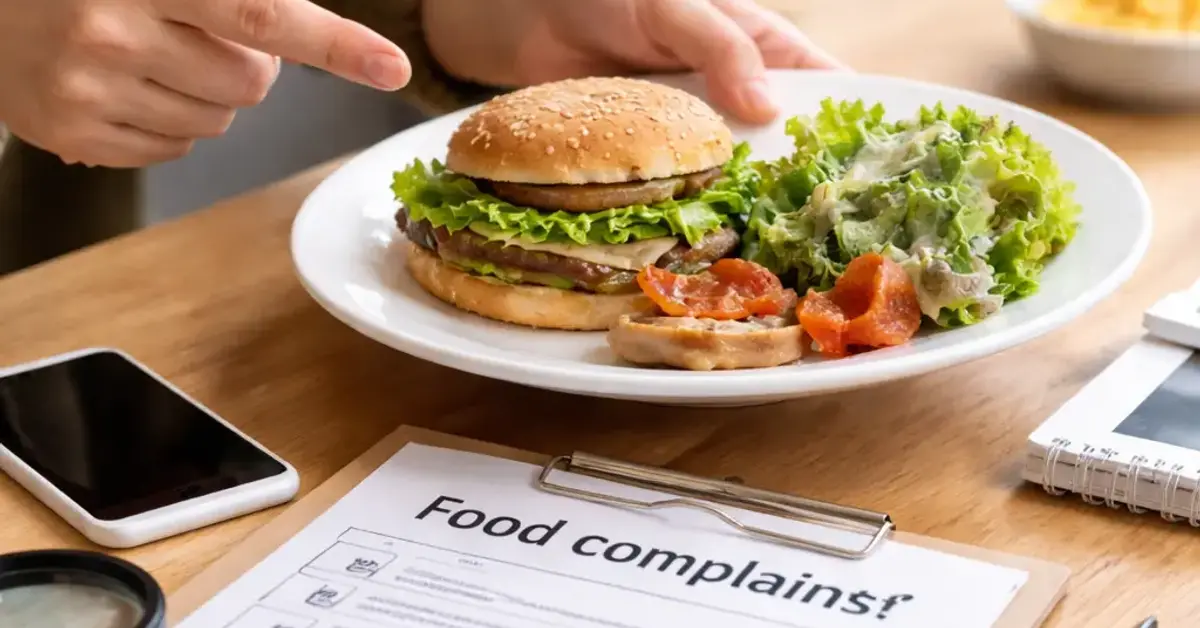
food complaint Key Takeaways
Every year, thousands of consumers experience issues with food products, from foreign objects to spoilage.
- Document everything immediately: take photos, save receipts, and keep the product and original packaging.
- Contact the retailer or manufacturer first; most reputable companies resolve complaints quickly.
- If the issue involves illness or a serious safety hazard, escalate to the USDA or FDA.
Understanding the Scope of a Food Complaint
Before you pick up the phone, it helps to understand what kind of issue you are dealing with. A food complaint can range from a quality problem—like stale chips or off-flavors—to a serious food safety complaint involving contamination, allergens, or physical hazards. The severity of your problem determines the best path forward. For a related guide, see 5 Easy Ways to Explore Chow Kit’s Street Art Before or After Your Meal.

Most consumers file complaints because of poor quality or incorrect orders. But about 20% of complaints involve safety concerns such as undercooked meat, foreign objects, or suspected foodborne illness. Your approach matters: a polite but firm request works best for quality issues, while immediate regulatory reporting is necessary for safety hazards.
Step 1: Document the Problem Immediately
The success of your food complaint hinges on the evidence you collect. As soon as you notice the problem, pause and gather materials before disposing of anything.

What to Save and Photograph
Keep the food product in its original packaging, along with any receipts or order confirmations. Take clear photos of the issue from multiple angles—including close-ups and shots that show the packaging. If the problem involves a foreign object, place it next to a coin or ruler for scale. Also photograph the product’s lot number, expiration date, and manufacturer information. This evidence is critical whether you are filing a food complaint with the store or with a federal agency.
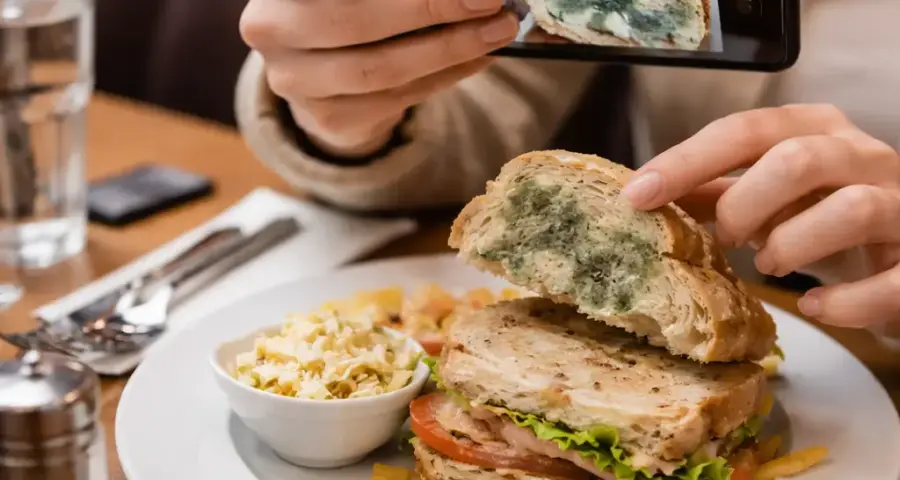
Written Record
Write down exactly when and where you bought the item, when you opened it, and when you discovered the problem. If you experienced symptoms like nausea or vomiting, note the time they started. These details strengthen your case and help investigators identify broader contamination events.
Step 2: Contact the Retailer or Manufacturer
In most cases, the quickest resolution comes from contacting the business that sold or made the product. Start with the retailer if you bought it in-store or online; they may offer a refund or replacement on the spot. If the retailer cannot help, escalate to the manufacturer.
How to Craft Your Message
When you reach out by phone, email, or a company’s complaint form, be concise and factual. State that you have a food complaint, describe the problem in a sentence or two, and explain what outcome you want—a refund, a replacement, or a coupon. Attach your photos and receipt. Keep the tone professional; you are more likely to get a positive response if you are polite and clear. For a related guide, see Wrong Order at Kooky Plate KL? 5 Polite Steps to Fix It Fast.
What to Expect
Reputable food companies take quality complaints seriously. They may ask you to mail back the product for analysis or to complete a brief questionnaire. Most respond within 5–10 business days. If you do not hear back within two weeks, follow up with a phone call referencing your case number.
Step 3: Escalate to Government Authorities
If your food complaint involves a safety issue—such as mold, glass, metal, plastic, undercooked meat, or suspected foodborne illness—you should report it to the appropriate government agency. This step protects other consumers and helps regulators track dangerous products.
When to Contact the USDA
The United States Department of Agriculture (USDA) handles food safety complaints involving meat, poultry, and processed egg products. Use the USDA Meat and Poultry Hotline at 1-888-MPHotline or file a report on the USDA Food Safety and Inspection Service website. Provide all the documentation you collected in Step 1.
When to Contact the FDA
The Food and Drug Administration (FDA) oversees all other food products—including produce, dairy, seafood, packaged goods, and dietary supplements. File a report through the FDA’s Safety Reporting Portal. The FDA uses consumer food complaint data to identify patterns and issue recalls. You can also contact your local health department, especially if you ate at a restaurant and became ill.
Step 4: Follow Up and Track Your Case
After you file your food complaint, the process is not over. Each channel—retailer, manufacturer, or government agency—will give you a case number or reference ID. Keep this in a safe place along with the contact information of the person you spoke with.
Follow-Up Timeline
- Retailer/manufacturer: If you do not receive a response in 10 business days, email or call again with your case number.
- USDA or FDA: Government agencies do not typically provide individual case updates, but they may ask for more information. You can call the agency to confirm receipt of your report.
- Local health department: They may send an inspector to the restaurant or store; ask for a copy of the inspection report if one is conducted.
When to Take Further Action
If you incurred medical bills or lost wages because of a food safety complaint, you may want to consult a consumer protection attorney. Legal action is rare for minor issues, but serious contamination or injury cases sometimes warrant a lawyer.
Step 5: Learn from the Experience
Once your food complaint is resolved—whether through a refund, a recall, or an apology—take a moment to reflect. Use the experience to become a more informed shopper. Check recall alerts from the USDA or FDA before purchasing. Read product reviews and note if others have reported similar problems. Share your story on the manufacturer’s website or on consumer forums; your report could help someone else avoid the same issue.
Preventing Future Problems
Inspect packaging before buying: look for dents, tears, or swollen cans. Check expiration dates. When dining out, ask about ingredients if you have allergies. And always report a problem when you see one; even a small food complaint can trigger a recall that prevents a larger outbreak.
Useful Resources
For more detailed information, visit these authoritative sources:
- USDA FSIS Consumer Complaint Process – Official guidance for reporting meat, poultry, and egg product issues.
- FDA Safety Reporting Portal – The correct channel for food safety complaints involving most packaged foods, produce, and supplements.
food complaint resolution does not have to be frustrating. By following these five steps—document, contact, escalate, follow up, and learn—you can protect your rights and help keep our food supply safer for everyone.
Frequently Asked Questions About food complaint
What is a food complaint ?
A food complaint is a formal expression of dissatisfaction with a food product, covering quality issues like taste or texture, as well as safety concerns such as contamination or spoilage.
How do I file a food complaint step by step?
Step 1: Document the problem with photos and receipts. Step 2: Contact the retailer or manufacturer. Step 3: Escalate to the USDA or FDA if it involves a safety issue. Step 4: Follow up with a case number. Step 5: Share your experience to help others.
What information should I include in a food safety complaint ?
Include the product name, brand, lot number, purchase date, where you bought it, a clear description of the problem (including photos), and any symptoms if you became ill.
Can I file a food complaint anonymously?
Yes, the FDA and USDA allow anonymous reports, but including your contact information can help investigators follow up if they need more details.
What happens after I file a food complaint with the FDA?
The FDA reviews your report and may contact you for additional information. They use complaint data to detect patterns and issue recalls when necessary.
How long does it take to resolve a food complaint ?
Retailers and manufacturers typically respond within 5–10 business days. Government agencies may take longer, especially if they need to investigate a broader issue.
Do I need a lawyer to file a food complaint ?
No, you can file a food complaint yourself without a lawyer. Legal assistance is only necessary if you suffer significant injury or financial loss.
What if the store refuses to accept my food complaint ?
If the store refuses, escalate to the manufacturer, and then to the USDA or FDA if the issue is safety-related. You can also leave a factual review on the retailer’s website.
How do I file a food complaint about a restaurant?
Contact the restaurant manager directly. If the issue involves food safety, also report it to your local health department. Many health departments have an online complaint form.
Can I get a refund for a food complaint ?
Yes, most retailers and manufacturers offer a refund, replacement, or store credit for valid quality complaints. Always keep your receipt as proof of purchase.
What if I get sick from food? Is that a food safety complaint ?
Yes, if you experience foodborne illness symptoms—nausea, vomiting, diarrhea, fever—after eating a product, you should file a food safety complaint with the FDA or USDA and seek medical attention.
How do I report a food complaint to the USDA?
Call the USDA Meat and Poultry Hotline at 1-888-MPHotline (1-888-674-6854) or file a report through the FSIS website. Have the product package and your documentation ready.
What is the difference between a complaint to the FDA and the USDA?
The USDA handles food safety complaints for meat, poultry, and processed eggs. The FDA oversees all other food products, including produce, dairy, seafood, and packaged goods.
Can I file a food complaint about an online grocery order?
Yes, contact the online retailer’s customer service first. Most have a dedicated process for damaged or spoiled items. Escalate to the manufacturer if needed.
How do I take photos for a food complaint ?
Take clear, well-lit photos showing the defect from multiple angles. Include the packaging, lot number, and expiration date. For foreign objects, place a ruler or coin next to them for scale.
What should I do if I find a foreign object in my food?
Stop eating immediately. Save the object and the remaining food. Photograph everything. Contact the manufacturer and file a food safety complaint with the FDA.
Can I file a food complaint for a product that is past its expiration date?
Yes, if the product spoiled early or was already bad before the expiration date. Document the date and condition, and contact the retailer or manufacturer.
How do I track the status of my food complaint ?
Keep your case number from the company or agency. Call or email the contact point you were given, referencing that number, and ask for an update.
Can a food complaint lead to a product recall?
Yes, when consumers file multiple food safety complaints about the same product, the FDA or USDA may investigate and issue a recall to remove the product from stores.
Should I share my food complaint on social media?
You can, but always resolve the complaint through official channels first. Social media can amplify your issue, but it may also attract unhelpful attention. Stick to factual, calm posts.