
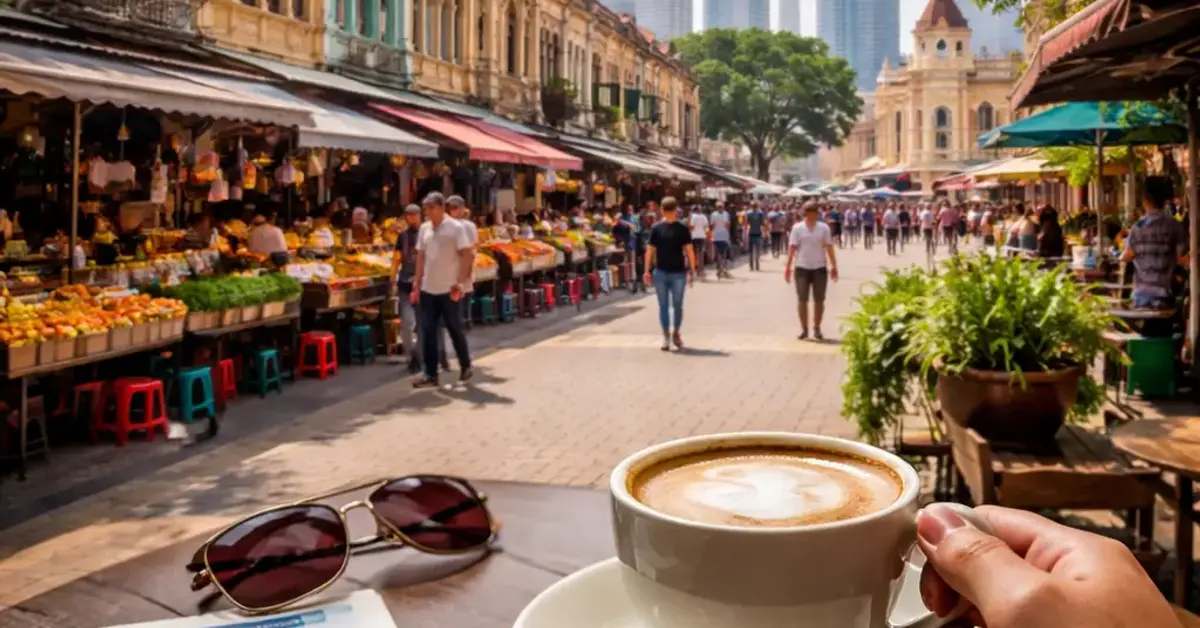
Chow Kit’s history Key Takeaways
Chow Kit’s history is a fascinating story of a once‑notorious red‑light district that transformed into one of Kuala Lumpur’s most vibrant, multi‑cultural neighborhoods.
- Chow Kit’s history dates back to the 1880s, named after a wealthy Chinese businessman and mining tycoon, Loke Chow Kit.
- Seven essential sights let you experience this layered past in a single morning—each within walking distance of a great coffee spot.
- Local café owners and heritage guides now collaborate to preserve stories, making your coffee break a mini history lesson.
Why Chow Kit’s history Matters Over Your Morning Brew
Kuala Lumpur changes fast. Skyscrapers rise, old alleys vanish, and the stories that made a neighbourhood drift into memory. But Chow Kit’s history is different. It clings to the peeling paint of pre‑war shophouses, to the scent of durian and diesel that fills Jalan Tunku Abdul Rahman, and to the faces of third‑generation kopitiam owners who still serve Hainanese coffee with a side of family lore. For a related guide, see Chow Kit Walking Tour: 5 Hidden Street Art Gems You Can’t Miss.
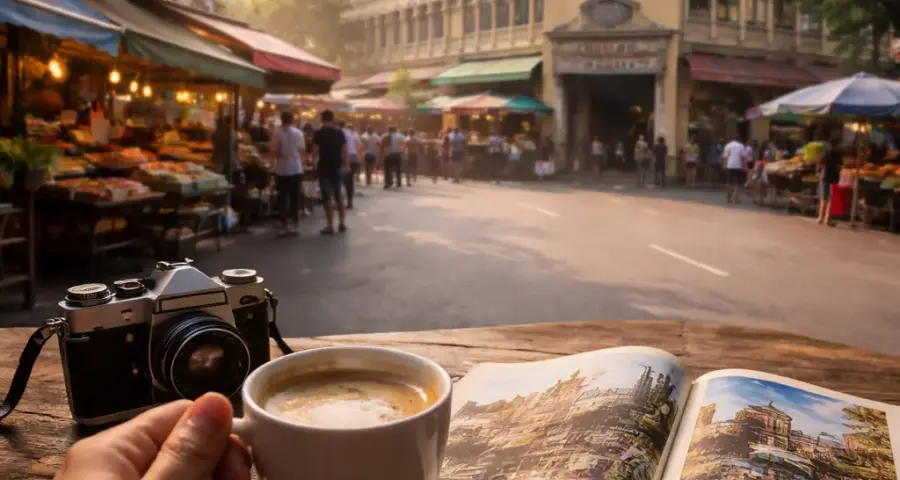
This guide is designed for the curious traveler—someone who doesn’t want to rush. You’ll walk seven essential historical spots, each tied to a distinct chapter of Chow Kit’s evolution. Between stops, you’ll find a coffee recommendation that matches the mood: a strong black to cut through heat, a iced latte for a quiet moment, a traditional pull of kopi‑o to taste the past. By the end of the morning, you’ll know the district not as a tourist attraction, but as a living, breathing story you can still drink in.
7 Must‑See Historical Spots in Chow Kit Paired With Coffee Breaks
1. Chow Kit Wet Market – The Beating Heart Since the 1920s
Start your walk before 9 a.m. The historical spots in Chow Kit list has to begin here, because the market is where the district’s soul lives. Built in the 1920s, the wet market originally served the nearby tin‑mining communities and later became a hub for Kuala Lumpur’s working class. Today you’ll still hear Cantonese, Hokkien, Tamil, and Malay spoken side by side over piles of fresh produce, live seafood, and spices. For a related guide, see 5 Easy Ways to Explore Chow Kit’s Street Art Before or After Your Meal.
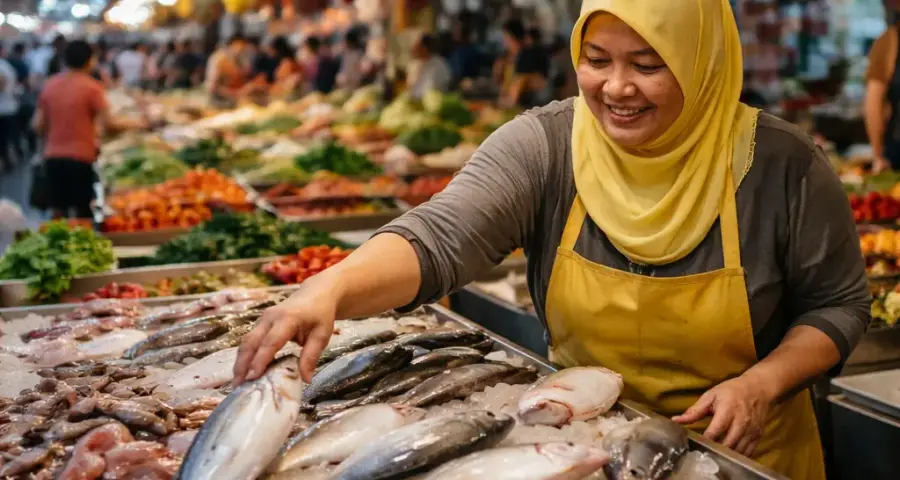
Grab a cup of kopi‑o at the stall near the main entrance—it’s been roasting its own beans since the 1950s. The owner, Mr. Tan, will tell you how his grandfather survived the Japanese occupation by trading coffee for rice.
2. Loke Chow Kit’s Former Residence – The Man Behind the Name
A short walk north on Jalan Ipoh brings you to a grand, slightly faded colonial bungalow. Loke Chow Kit, the tycoon who owned vast stretches of land and tin mines, lived here in the 1880s. The house is now a private clinic, but you can stand at the gate and imagine the parties, the deals, the scandals that shaped early Kuala Lumpur.
Pro tip: Cross the street to Brew and Bloom, a tiny café that serves a single‑origin Ethiopian pour‑over. The barista loves to chat about Chow Kit’s tin‑mining boom—just ask.
3. Medan Pasar – The Original Financial District
This open square, once called Market Square, was the centre of trade for colonial KL. By the 1900s, Chinese clan associations and European trading houses faced each other across the square. Chow Kit’s history as a commercial hub was forged here—tin, rubber, and opium changed hands under the same trees where street artists now paint portraits.
Stop at Kedai Kopi Sin Seng, a 70‑year‑old café on the square. Order a coffee guide favourite: coffee cham—a mix of coffee and tea, served with condensed milk. It’s the perfect sweet counterpoint to a walk through mercantile history.
4. Jalan Masjid India – Where Faith and Commerce Intersect
Just west of Chow Kit proper, Jalan Masjid India has been the heart of KL’s Indian Muslim community since the 1920s. The mosque itself dates from 1885, but the street gained prominence after independence when South Indian textile and gold traders set up shop. Exploring Chow Kit district means walking this strip of gold‑glittering storefronts and hearing the call to prayer mix with Bollywood music.
Grab a pulled tea (teh tarik) from a roadside stall—the sweet, frothy drink is the unofficial welcome to this pocket of the district. Watch the tea master pour from arm’s length; the technique hasn’t changed in three generations.
5. Siang Hoe Kee – A Living Heritage Shophouse
At the corner of Jalan Raja Laut and Jalan Tunku Abdul Rahman, the Siang Hoe Kee building stands as one of the last untouched pre‑war shophouses in the area. Built in 1928, it once housed a famous Chinese opera theatre and later a printing press that produced抗日 (Anti‑Japanese Resistance) pamphlets in the 1940s.
Across the street, Kedai Kopi Hock Seng has been serving Hainanese coffee since 1947. The bread is still toasted over charcoal, and the half‑boiled eggs are cracked to order. This is the kind of breakfast that makes Chow Kit’s history feel edible.
6. The Old Chow Kit Cinema (Now Ruins)
Hidden behind a row of car workshops on Jalan Masjid India is the skeletal frame of the old Chow Kit Cinema, built in 1938. It screened Tamil and Malay films until the 1970s, and later became a budget hotel that was abandoned in the 1990s. The graffiti‑covered façade is a favourite photo spot for urban explorers.
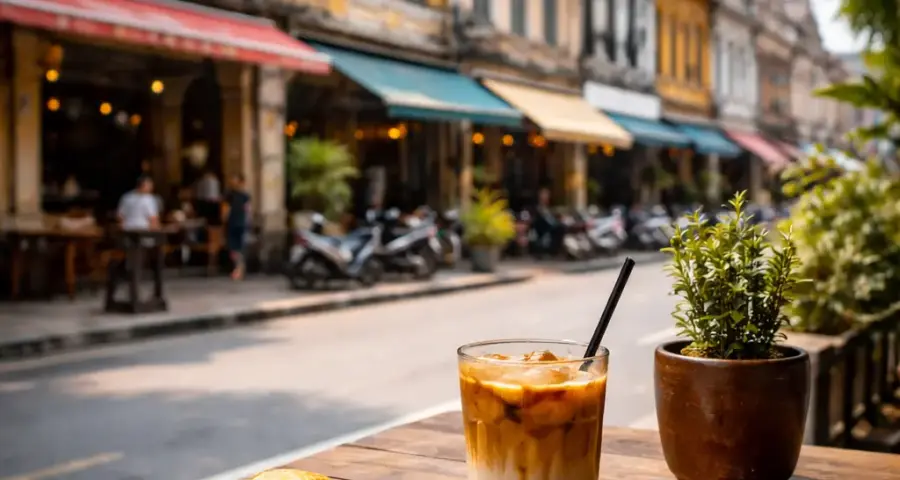
After snapping a picture, walk two minutes to Vintage Coffee Studio for an iced latte with house‑made coconut milk. The owner, a former film student, has old movie stills plastered on the walls—many from films that screened right next door.
7. Jalan Tuanku Abdul Rahman – The Saturday Market That Keeps History Alive
Every Saturday night, this street transforms into a buzzing night market (pasar malam). But its history goes deeper. During the 1960s and 70s, this was the meeting point for political rallies and cultural festivals. The architecture—a mix of Art Deco, Neoclassical, and Chinese Baroque—tells the story of a city that grew fast and thought big.
End your morning walk at Goh’s Heritage Kopitiam, a café that restored a 1930s shophouse. Their house blend uses beans roasted in the same copper drum since 1955. Order a Chow Kit coffee guide staple: a black coffee with a hint of roasted chicory, served in a traditional ceramic cup.
Local Tips for Exploring Chow Kit district on Foot
Walking is the only way to catch the details that make Chow Kit’s history come alive. Bring a refillable water bottle—KL’s heat is no joke. Wear comfortable shoes because many sidewalks are uneven and narrow. And don’t be afraid to pop into any doorway that looks interesting. The best heritage stories are told by uncles on plastic stools, not in guidebooks.
- Best time of day: Early morning (7–10 a.m.) to avoid heat and crowds, and to see the wet market at full energy.
- Cash is still king: Many old kopitiams and market stalls don’t accept cards.
- Talk to the old-timers: The coffee shop uncles and aunties love sharing stories—just ask in Malay, Chinese, or simple English.
- Look up: The upper floors of shophouses often have original timber windows, carved lintels, and faded painted signs from the 1950s.
| Sight | Era | Coffee Pairing | Distance from Chow Kit LRT |
|---|---|---|---|
| Chow Kit Wet Market | 1920s | Kopi‑o | 2 min walk |
| Loke Chow Kit’s Residence | 1880s | Ethiopian pour‑over | 10 min walk |
| Medan Pasar | 1900s | Coffee cham | 15 min walk |
| Jalan Masjid India | 1920s | Teh tarik | 8 min walk |
| Siang Hoe Kee | 1928 | Hainanese coffee + toast | 5 min walk |
| Old Chow Kit Cinema | 1938 | Coconut iced latte | 12 min walk |
| Jalan Tuanku Abdul Rahman | 1960s | Heritage kopi with chicory | 3 min walk |
Preserving Chow Kit’s history — A Community Effort
In 2018, a group of local artists, café owners, and historians formed the Chow Kit Heritage Collective. They organise walking tours, collect oral histories, and encourage young business owners to keep original architectural features when renovating. Thanks to them, several shophouses have been saved from demolition. The collective also prints small heritage maps that you can pick up at any participating café—ask at the places listed above.
You can support the effort by buying a coffee at any of the heritage‑partner cafés. A portion of every drink goes toward documenting and preserving Chow Kit’s history for the next generation.
Useful Resources
For deeper reading on the district’s urban development, check out Think City’s heritage reports on Chow Kit. They offer detailed architectural surveys and photo archives.
To plan your walking route in detail, the Malaysian Explorer walking tour map includes altitude profiles and estimated times between stops.
Frequently Asked Questions About Chow Kit’s history
Who was Chow Kit named after?
Chow Kit is named after Loke Chow Kit, a Chinese businessman and tin mining tycoon who owned large parcels of land in the area during the 1880s. He was one of Kuala Lumpur’s early wealthy figures, and his name remains attached to the district even though much of his original estate is now commercial property.
Is Chow Kit safe for tourists?
Yes, during daylight hours the main streets and markets are safe and busy with locals. As with any inner‑city district, keep an eye on your belongings in crowded market areas. The side alleys near the old cinema can be a little rough, so stick to well‑lit streets if you’re walking solo.
What is the best time of day to explore Chow Kit?
Early morning between 7 and 10 a.m. is ideal. The wet market is buzzing, the heat is manageable, and coffee shops open early. By noon the sun is intense and most vendors start closing down.
How long does a coffee‑walking tour of Chow Kit take?
If you stop for a drink at each location, budget about 3 to 4 hours. You can easily shorten it to 2 hours if you choose three or four sights instead of all seven.
Are there guided heritage tours of Chow Kit?
Yes, the Chow Kit Heritage Collective runs informal walking tours every Saturday morning. Check their Facebook page for current schedules. Some local cafés also offer printed self‑guided maps.
Can I visit the Loke Chow Kit residence?
The building is now a private medical clinic, so you cannot enter. However, you can view it from the gate and take photographs. The heritage value is mainly in its external architecture.
What types of coffee should I try in Chow Kit?
Local kopitiams serve Hainanese‑style coffee (kopi‑o), coffee cham (a mix of coffee and tea), and kopi susu (with condensed milk). For specialty coffee, new cafés offer Ethiopian, Sumatran, and Guatemalan beans brewed as pour‑overs or lattes.
Is Chow Kit only about history?
No, it’s also a vibrant arts and street food district. The older generation coexists with young creatives who have opened independent bookshops, mini galleries, and vintage clothing stores alongside traditional kopitiams.
How do I get to Chow Kit by public transport?
The easiest way is to take the Kelana Jaya LRT line to Chow Kit station (formerly known as PWTC). From the station you are a few minutes’ walk from the wet market and Jalan Masjid India.
Can I take photos inside the wet market?
Yes, but be sensitive. Many vendors are private people. Always ask before taking a close‑up of their face or produce. The market management requests no flash photography because it can startle the animals.
What language do most people speak in Chow Kit?
You’ll hear a mix of Malay, Cantonese, Hokkien, Tamil, and English. In most coffee shops and markets, basic English or using hand gestures works fine. A simple “Terima kasih” (thank you) goes a long way.
Are there any famous festivals held in Chow Kit?
During the Hindu festival of Thaipusam, Jalan Masjid India becomes a major procession route. Chinese New Year also sees the street decorated with lanterns. The Saturday night market (pasar malam) along Jalan Tuanku Abdul Rahman is a weekly community event.
Is the old Chow Kit Cinema open to the public?
No, the building is structurally unsafe and fenced off. You can view it from the street and capture photos of the graffiti‑covered frontage, but do not attempt to enter.
What should I eat besides coffee in Chow Kit?
Try nasi lemak from vendors near the wet market, roti canai at Jalan Masjid India, and char kuey teow from the kopitiams. The area is a culinary melting pot.
Can I bring my children on this walk?
Yes, the route is mostly flat and stroller‑friendly, though some sidewalks are narrow. Kids enjoy watching the market animals and tasting the sweet coffee cham (they can have the tea version if preferred).
Do any coffee shops in Chow Kit accept credit cards?
The older kopitiams are mostly cash‑only. The newer specialty cafés accept credit cards and e‑wallets. Always carry some ringgit notes for street stalls and heritage shops.
How did Chow Kit become known as a nightlife district?
In the 1960s and 70s, Chow Kit developed a rowdy nightlife scene with bars, nightclubs, and a red‑light reputation. That era faded by the early 2000s as the city cleaned up. Today the nightlife is limited to casual barbershops and late‑night kopitiams open till midnight.
Are walking tours wheelchair accessible?
Partly. The main pavements along Jalan Tuanku Abdul Rahman and Jalan Masjid India are relatively level. However, the wet market and older shophouse areas have uneven floors. A companion may be needed for a few sections.
What is the oldest surviving building in Chow Kit?
The Jalan Masjid India mosque, built in 1885, is the oldest identified structure. Several shophouses along Jalan Raja Laut also date to the early 1890s, though many have been renovated beyond recognition.
Can I buy heritage souvenirs in Chow Kit?
Yes, a few stores near the wet market sell replica ceramic coffee cups, old tin‑mining photos, and batik prints. The Chow Kit Heritage Collective also has a small shop inside Kedai Kopi Sin Seng that sells maps and postcards.