
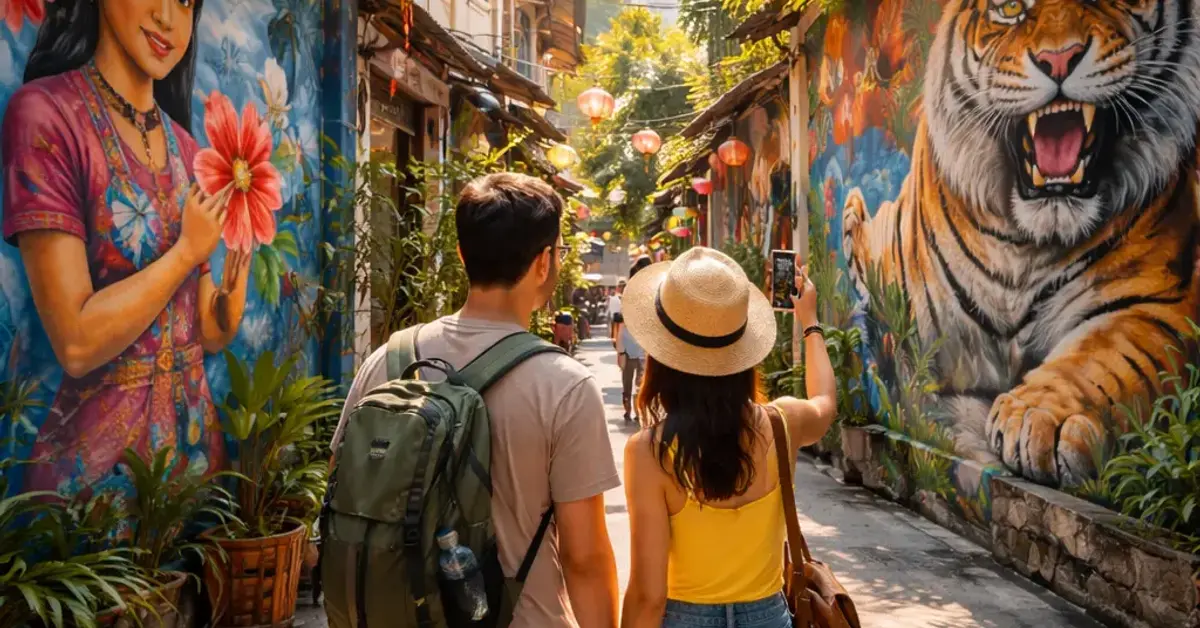
Chow Kit walking tour Key Takeaways
Chow Kit is one of Kuala Lumpur’s most culturally rich neighborhoods, where vibrant street art sits beside century-old shophouses and bustling wet markets.
- The tour covers five distinctive stops, each with a unique mural or installation that tells a story about the area’s heritage and community.
- You’ll encounter local anecdotes—from the artist behind the iconic “Ah Chew” mural to the secret alleyway gallery that only opens on weekends.
- Practical tips include the best time to visit (early mornings to avoid the heat), nearby kopitiams for a break, and how to navigate the narrow lanes safely.
Why a Chow Kit walking tour Should Be on Your KL Itinerary
Kuala Lumpur is famous for the Petronas Towers and Batu Caves, but the city’s true heartbeat pulses through old neighborhoods like Chow Kit. Originally a tin-mining hub in the 19th century, this district evolved into a dense commercial and residential area where Chinese, Malay, and Indian cultures converge. Over the last decade, local artists have transformed its weathered walls into an open-air gallery, blending heritage motifs with contemporary social commentary. A Chow Kit walking tour offers an intimate, unhurried way to experience this creative renaissance while supporting small businesses and independent creators. For a related guide, see 7 Nearby Attractions in Chow Kit and Why Licky Chan Is a Must-Stop.

Unlike the polished street art of Mural Art Lane in Bukit Bintang, Chow Kit’s murals feel raw and personal. They peek out from behind laundry lines, above kedai kopi signs, and inside forgotten alleyways. Each piece has a backstory rooted in the community’s daily life. By following this tour, you’ll not only see incredible art but also learn about the areas that inspired it.
Stop 1: Jalan Haji Hussein Mural – The Gateway to Chow Kit street art
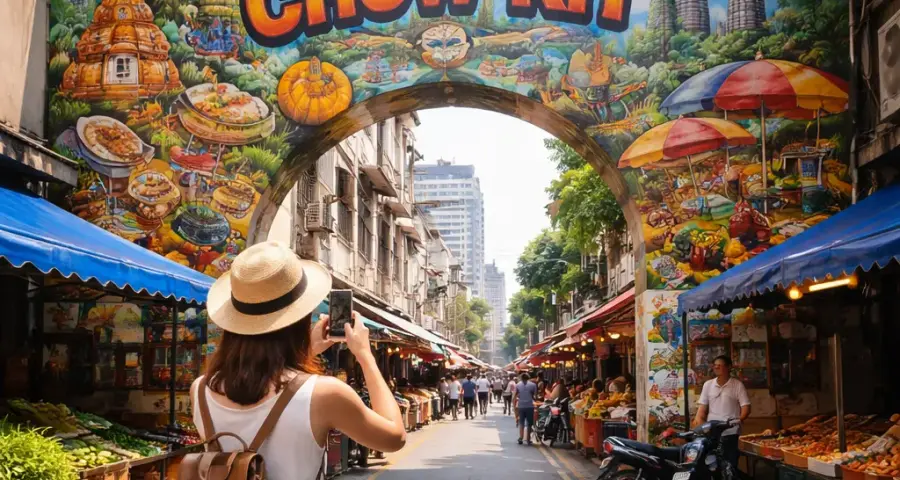
Start your Chow Kit walking tour at the intersection of Jalan Haji Hussein and Jalan Raja Muda Abdul Aziz. The first mural you’ll spot is a massive portrait of a laughing old man wearing a songkok, painted by the Malaysian artist Caryn Koh in 2017. Known locally as “Tok Ayah,” the figure represents the resilient spirit of the older generation who still run the nearby market stalls.
Historical and cultural anecdote
Jalan Haji Hussein has been a trading artery since the 1880s, connecting the Sultan Abdul Samad Building to the former Klang River port. The mural’s location is deliberate: it faces the Chow Kit Market, where Tok Ayah and his peers have sold vegetables for decades. The artist spent two weeks chatting with vendors before painting, ensuring the portrait captured authentic expressions rather than a generic smile.
Practical tips
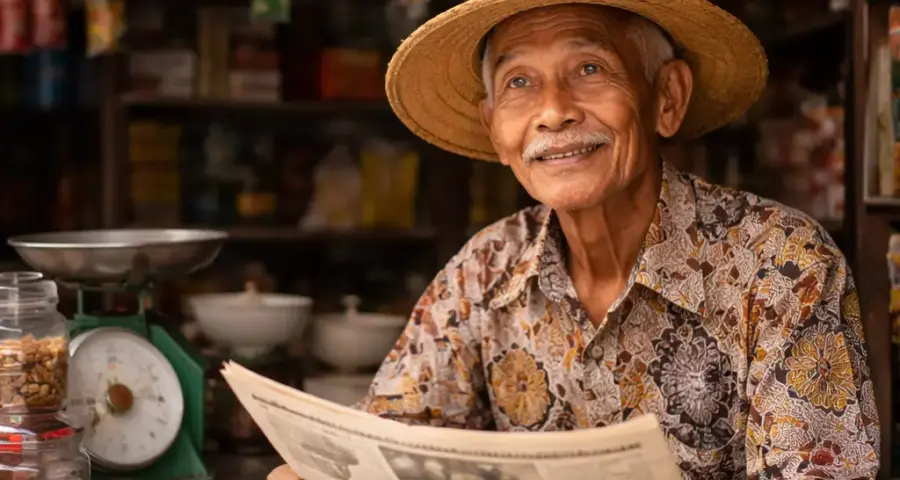
Visit between 8:00 AM and 10:00 AM when the morning market is in full swing. Bring a wide-angle lens – the mural spans nearly two stories. If you’re hungry, pop into Restoran Yusoof and Zakhir for roti canai and teh tarik, a five-minute walk east.
Stop 2: Lorong Tuanku Abdul Rahman – The Hidden Alley Gallery
Turn left into Lorong Tuanku Abdul Rahman, a narrow lane that most tourists overlook. Here you’ll find a series of smaller murals layered on top of each other like a visual history book. The most striking is a black-and-white piece titled “Pasar Malam Nights,” depicting a bustling night market with charcoal sketches of vendors, baskets, and flickering lanterns.
Why this spot is a hidden gem
Unlike the main roads, this alley is rarely crowded, making it ideal for quiet contemplation. The murals here change every few months, curated by a collective called “Art for Rakyat.” Check the small plaque at the alley entrance for a QR code that leads to an audio guide narrated by the artists themselves.
Practical tips
Watch for occasional motorbikes – stay close to the walls. The narrow lane can get slick after rain, so wear sturdy shoes. Bring cash if you want to buy prints; some artists sell small reproductions from a nearby pop-up stand on weekends.
Stop 3: Behind Pasar Besar Chow Kit – The Abundance Mural
Cross Jalan Tuanku Abdul Rahman and walk behind the main Pasar Besar Chow Kit building. On the eastern wall, a riot of tropical fruits and vegetables covers a 20-meter span. Painted by the duo Skarlet and Bebop in 2018, the “Abundance” mural celebrates the market’s role as a food hub. You’ll spot durians, rambutans, and dragonfruit rendered in hyperrealistic detail, each fruit surrounded by geometric patterns inspired by traditional Malay songket.
The story behind the art
The artists interviewed 30 market vendors to decide which produce to include. They purposely painted the durian slightly out of reach, symbolizing how the fruit’s controversial smell often alienates tourists from the local eating experience. In Malay folklore, durian is also known as “the king of fruits” – the mural elevates that royal status while poking gentle fun at it.
Practical tips
Best photographed in the afternoon when the sun illuminates the wall without harsh shadows. The area is busy with delivery trucks until 11 AM, so plan your visit between 1 PM and 4 PM. A short detour into the market’s spice section rewards you with bags of freshly ground rempah (curry paste) sold by aunties who have been there for 30 years.
Stop 4: Jalan Masjid India Lane – The Heritage Mosaic
Continue north toward Jalan Masjid India, then slip into the lane beside the Al-Jamek Mosque. This stop features a mosaic installation rather than painted murals. The “Tapestry of Communities” is a 50-foot collage of ceramic tiles, glass beads, and broken mirrors assembled by community workshops over six months. It depicts scenes of shared rituals: a Chinese lion dance, a Malay khatam ceremony, and an Indian deepavali lamp.
Cultural significance
Chow Kit is one of the few KL districts where the three main ethnic groups have lived side-by-side for over a century without conflict. The mosaic’s deliberate inclusion of broken mirrors reflects the fragility of that harmony. A small plaque quotes the Malay proverb “Bulat air kerana pembetung, bulat manusia kerana muafakat” (Unity arises from consensus).
Practical tips
Touch is allowed – the tiles are sealed and smooth. This spot is shaded by a large banyan tree, so it’s a good place to rest and reapply sunscreen. Nearby, try the nasi kandar at Restoran Ali, Nasi Kandar Pelita, a short walk south.
Stop 5: The Secret Rooftop Mural – Viewing Deck Over Chow Kit
The final stop on your Chow Kit walking tour requires a bit of detective work. Walk to the corner of Jalan Raja Bot and Jalan Manan, then look for a unmarked metal door beside a hardware store. Knock, and a caretaker will let you up to the rooftop for a small donation (RM5 recommended). There, you’ll find a breathtaking panoramic mural titled “Dari Atas” (From Above). It’s a 360-degree illusion that blends the actual skyline of KL with whimsical elements like flying durians, giant hornbills, and a train running across a rainbow track.
Why it’s worth the detour
This is the newest piece on the tour, painted in 2022 by a collective of six artists led by Ilham Nazmi. The rooftop itself offers a rare vantage point over the Chow Kit skyline, letting you see the contrast between old zinc-roof houses and modern condos. The mural’s perspective tricks your eye into believing the buildings continue into the painting. For a related guide, see Kooky Plate KL: 5 Stunning Petronas Towers Views from the Cafe.
Practical tips
The rooftop is open only on Saturdays and Sundays from 10 AM to 4 PM. Bring small bills for the donation. No food or drinks allowed upstairs, but the caretaker can recommend a nearby cendol stall. The staircase is steep – not suitable for those with mobility issues.
Tips for a Successful Chow Kit walking tour
To make the most of your self-guided experience, keep these pointers in mind:
- Timing: Start early (around 8 AM) to avoid the midday heat and crowds. The tour takes roughly 2.5 hours at a leisurely pace.
- Hydration: Carry at least one liter of water. Street-side stalls sell fresh coconut water for a quick cool-down.
- Navigation: Google Maps works well, but the narrow lanes can confuse GPS. Save screenshots of the stops before you leave.
- Safety: Keep your bag in front in crowded market areas. The neighborhood is generally safe, but pickpocketing can occur near the market entrances.
- Etiquette: Ask permission before photographing vendors or their goods. A smile and “selamat pagi” go a long way.
Useful Resources
For more background on Chow Kit’s transformation and upcoming street art events, check these two reliable sources:
- Malaysian Street Art Guide – Chow Kit Murals – A dedicated site cataloging all murals in the district, with artist interviews and map downloads.
- Kuala Lumpur Travel Guide – Chow Kit Market – Offers practical tips on visiting the market and connecting cultural context with the art.
Frequently Asked Questions About Chow Kit walking tour
How long does the Chow Kit walking tour take?
At a comfortable pace, the full route takes about 2.5 to 3 hours, including time to admire each mural and take photos. If you stop for food or chat with vendors, budget closer to 4 hours.
Is the tour suitable for children?
Yes, children aged 5 and above will enjoy the colorful murals and market sights. However, watch them closely near motorbike traffic in narrow lanes. Some parts of the route involve stairs that aren’t stroller-friendly.
Can I take photos at all stops?
Absolutely, and photographers will love the contrasts. Avoid using flash when photographing glass mosaic pieces, as it creates unwanted glare. At Stop 5, drones are prohibited without special permission.
What’s the best day of the week for the tour?
Saturday is ideal because the rooftop at Stop 5 is open and the market is in full swing. Sundays are also good, but some stalls close by early afternoon. Avoid Mondays, as a few market stalls and the rooftop are closed.
Do I need a guide, or can I do it alone?
This is a self-guided tour, so you don’t need a guide. The route is straightforward, and locals are friendly if you need directions. Download the written descriptions on your phone before going, as internet reception can be spotty in the lanes.
Are there restroom facilities along the route?
Yes, the main Pasar Besar Chow Kit has public toilets near the vegetable section (fee RM0.50). Restoran Yusoof and Zakhir also allows customers to use their restroom. Plan your breaks accordingly.
Is Chow Kit safe for solo female travelers?
Chow Kit is moderately safe during daylight hours. The market area is busy and well-lit. Solo female travelers should exercise normal caution, avoid flashing valuables, and stick to the main lanes after dark. Stick to the morning hours for maximum comfort.
Can I combine this tour with other attractions?
Yes, the tour ends near Jalan Masjid India, only a 15-minute walk from Petaling Street (Chinatown) and the Central Market. You can easily add those to a half-day itinerary without doubling back.
What should I wear?
Light, breathable clothing is essential due to the tropical climate. Wear comfortable walking shoes with good grip for the slippery market floors and uneven lane surfaces. A hat and sunscreen are strongly recommended.
Are there any admission fees?
All murals and installations are free to view. The only cost is the optional RM5 donation at Stop 5’s rooftop. Market visits are free, but bring cash if you plan to buy snacks or souvenirs.
How do I get to the starting point from KLCC?
Take the Kelana Jaya Line from KLCC station to Pasar Seni, then transfer to the KTM Komuter to Chow Kit station. The journey takes about 20 minutes. Alternatively, a Grab car costs around RM10-15 and drops you at Jalan Haji Hussein.
Is street art in Chow Kit permanent?
Some murals have remained for years, but others are repainted or replaced by new works, especially in the alley galleries. The Jalan Haji Hussein mural and the Abundance mural are considered permanent installations managed by the Kuala Lumpur City Hall.
What language do the mural descriptions use?
Most plaques and QR-code guides are in Malay and English. Some older murals have only Malay captions. The QR code at Lorong Tuanku Abdul Rahman includes an English audio option.
Are there any food recommendations along the route?
Yes. At Stop 1, try the roti canai at Restoran Yusoof and Zakhir. Near Stop 4, the nasi kandar at Restoran Pelita is a local favorite. For dessert, a cendol stall next to the hardware store before Stop 5 serves excellent shaved ice with gula Melaka.
Can I bike the tour instead of walking?
Biking is not recommended because the lanes are narrow, crowded, and have uneven surfaces. Walking is safer and allows you to notice small details, like hidden signages and tucked-away murals you might miss on a bike.
What if it rains during the tour?
Afternoon tropical showers are common in KL. Most murals are under awnings or in covered walkways, but the rooftop at Stop 5 will close if lightning is nearby. Carry a compact umbrella or rain jacket, and wait out heavy rain at one of the kopitiams along Jalan Tuanku Abdul Rahman.
Is there a map I can download?
Yes, the Malaysian Street Art website linked in the Useful Resources section provides a downloadable PDF map with GPS coordinates. You can also pick up a printed flyer at the information counter inside Pasar Besar Chow Kit.
Are the murals all by Malaysian artists?
Most are, but international artists have contributed a few pieces during the annual Kuala Lumpur Art Week. The current installations in Lorong Tuanku Abdul Rahman feature two works by an Indonesian collective, and the rooftop mural includes contributions from a Japanese calligraphy artist.
Can I buy art from the artists?
Prints and small canvases are occasionally sold at the pop-up stand near Lorong Tuanku Abdul Rahman on weekends. Some artists accept commissions via their Instagram accounts (details on the QR code plaques). Prices typically range from RM50 to RM300.
What is the best time of year for the tour?
The dry season from June to August offers the most predictable weather. February and March are also good but can be hot. Avoid late November through January, when monsoon rains are heaviest and may limit outdoor exploration.