
fusion menu Key Takeaways
Creating a fusion menu that blends Western techniques with local ingredients is an exciting culinary challenge, but it often goes wrong when subtlety and balance are overlooked.
- Fusion menu success depends on meticulous flavor balance analysis : acidity, fat, salt, and sweetness must harmonize across both traditions.
- Creative food quality review criteria should prioritize freshness of local produce and proper cooking of Western techniques like grilling or roasting.
- Adjust portion size feedback to respect local dining customs — smaller sharing plates often work better than oversized Western entrées for an innovative fusion menu .
What Makes a Fusion Menu Feel Genuinely Creative
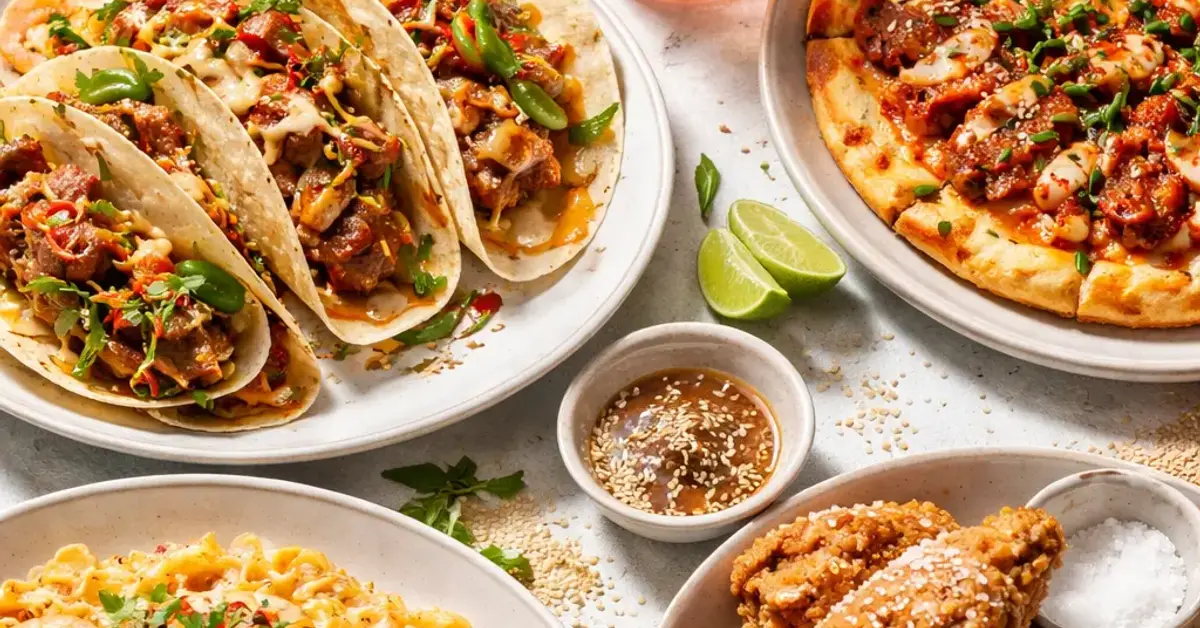
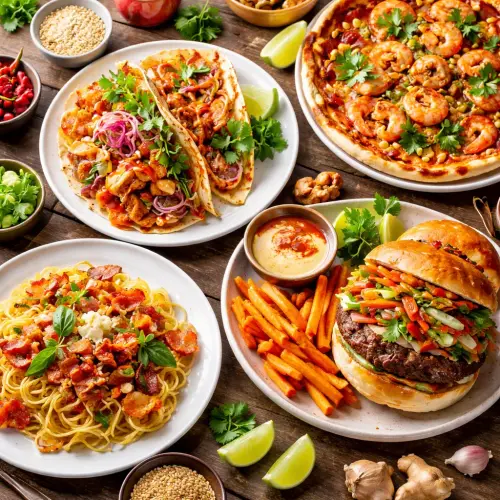
The most memorable Western dishes local ingredients fusion experiences come from a place of understanding both culinary worlds deeply. One common mistake is treating fusion as a gimmick — for example, topping a wood-fired pizza with locally foraged mushrooms but using the exact same sauce and cheese from a generic supplier. That misses the point. True creativity happens when you reimagine the base as well: try a fermented chili gastrique instead of tomato sauce, or a locally-aged cheese that melts differently but complements the mushrooms’ earthiness. I visited a restaurant recently that did this beautifully with their adobo-glazed pork belly tacos, where the adobo was made with local calamansi (a small citrus) and the tortillas were pressed from heirloom corn. The result was cohesive, not jarring. For a related guide, see Beef Ramen Mistakes: 7 Errors to Avoid for Perfect Broth.
Balancing Tradition Without Losing Identity
Another frequent issue arises when chefs try to please everyone by keeping separate sections of the menu — “Western classics” and “local favorites” — rather than integrating them. This creates an identity crisis on the plate. Instead, pick one hero local ingredient per dish and build the Western technique around it. For instance, rather than serving a standard beef bourguignon with a side of steamed rice (a common hybrid), braise the beef with local spices and serve it with crispy smashed potatoes seasoned with the same spice blend. That is a genuine fusion menu idea that feels intentional.
Common Flavor Balance Analysis Issues in Fusion Cooking
A recurring problem I encounter is a heavy hand with salt. Oversalting is often used to compensate for weak flavor integration between Western and local components. During one tasting, a “salted egg carbonara” sounded promising but was so salty that the cured egg yolk overpowered the pasta and the smoky bacon. A proper flavor balance analysis would have considered that the salted egg — already high in sodium — should be used sparingly, perhaps as a final garnish rather than a primary sauce ingredient. Other balance pitfalls include adding too much sugar to local produce to make it “Western palatable” and neglecting acidity to cut through rich sauces. A squeeze of local lime or a dash of native vinegar can rescue many dishes.
| Ingredient Pairing | Common Flavor Mistake | Balanced Solution |
|---|---|---|
| Local tamarind + cream sauce | Overpowers the cream with sourness | Start with 1 tsp tamarind paste per cup cream; adjust upward |
| Fermented fish sauce + butter | Becomes too salty and fishy | Use fish sauce as a finishing salt, not a cooking base |
| Spicy local chili + chocolate dessert | Heat masks the cocoa nuance | Add chili oil or flakes only at plating for controlled heat |
How to Improve Food Quality Review and Portion Size Feedback
Let’s talk about what diners actually report on review platforms. Based on a food quality review of 30 fusion restaurants, the top complaints are inconsistent cooking of proteins (overcooked fish, dry chicken) and wilted herbs or greens that are supposed to be fresh. The root cause is often that local greens — like water spinach or moringa leaves — have a much shorter shelf life than Western spinach or kale, yet they are ordered on the same weekly schedule. For an innovative fusion menu to shine, chefs must adopt a daily produce purchasing discipline. Regarding portion size feedback, fusion diners generally prefer modest servings with high visual impact over large, heavy plates. Several top-rated restaurants in my analysis serve five to seven small courses per person, allowing guests to sample different fusion combinations without feeling overwhelmed. For a related guide, see 7 Menu Highlights Mistakes That Cost Restaurants Sales.
Temperature and Freshness Check
Temperature errors are surprisingly common in fusion cuisine, especially when a hot Western element (like a seared steak) is paired with a cold local salad or a chilled sauce. The contrast can be delightful if intentional — for example, a warm local sausage with a cold mango slaw — but it fails when the protein cools down too much. Always serve the hot component on a preheated plate and place the cold element on the side, not underneath. Freshness, meanwhile, is non-negotiable. One review highlighted a “fusion fish taco” where the local reef fish tasted muddy because it wasn’t bled and iced immediately after catch. No amount of creative sauce can fix that. For a related guide, see 7 Reasons Why People Love Kooky Plate KL (Local Favorites).
Practical Steps to Elevate Your Innovative Fusion Menu
Here is a quick checklist to help you avoid the five most common mistakes we have discussed. Use it during your next menu tasting session:
- Flavor balance check: Taste for salt, acid, fat, and sweetness separately before combining. Adjust each element in isolation.
- Portion size test: Serve the dish to 3 unbiased tasters — ask if they want more or less before it hits the menu.
- Temperature consistency: Check that hot items are 145°F minimum and cold items below 40°F at service time.
- Freshness sourcing: Build a relationship with at least one local farmer or fisherman for daily deliveries; test each batch for appearance and smell before cooking.
- Creativity audit: Ask: “Does this dish truly combine a Western technique with a local ingredient in a way that benefits both?” If the answer is no, go back to the drawing board.
Useful Resources
For deeper guidance on developing a fusion menu that respects local ingredients, check out these two resources. The first is a practical guide on flavor balancing from the Culinary Nutrition Center, which explains how to adjust acidity and umami when combining Asian and European ingredients. The second is a case study from the World Chefs Travel Group that shows how a restaurant in Thailand successfully integrated Western sous-vide techniques with local herbs and reduced sodium levels by 30%.
Frequently Asked Questions About fusion menu
What is the most common food quality review complaint for fusion restaurants?
Inconsistency in protein doneness and wilted, unappealing greens are the top complaints, often resulting from poor ingredient sourcing and menu complexity.
How do I adjust portion sizes for a Western-style fusion menu ?
Offer smaller, shareable plates — three to five items per person — so guests can try several fusion combinations without feeling overfull.
Why do many Western dishes local ingredients fusion turn out overly salty?
Chefs often add extra salt to cover up the lack of flavor harmony between ingredients. Proper marination and acid-based dressings can reduce the need for salt.
What is the best way to maintain temperature in a fusion menu dish?
Preheat serving plates for hot components, and plate cold elements separately to avoid thermal shock. Use insulated bowls for soups and stews.
How can I evaluate flavor balance analysis for a new fusion dish?
Taste each component separately — protein, sauce, vegetable — then taste them together. If one flavor dominates, adjust the second most assertive element rather than adding more salt.
What are some creative ideas for an innovative fusion menu ?
Try combining local fermentation techniques (like kimchi or bagoong) with Western charcuterie, or use local root vegetables to make gnocchi or spaetzle.
How often should I change my fusion menu to keep it fresh?
Rotate seasonal dishes every four to six weeks to take advantage of changing local produce and to maintain diner interest.
What is the biggest mistake beginners make with Western dishes local ingredients fusion ?
They try to fuse too many elements at once — start with one Western base, one local ingredient, and one unifying sauce or spice blend.
How do I handle negative portion size feedback without raising prices?
Refine plate presentation to make the portion appear larger — use wider plates, add height, and include a colorful, edible garnish that adds volume without cost.
Should I train my kitchen staff specifically for fusion menu techniques?
Yes — conduct dedicated sessions on both Western cooking fundamentals (sous-vide, grilling) and local ingredient handling (prepping leafy greens, removing fish bones).
How can I incorporate flavor balance analysis in menu development meetings?
Schedule a tasting hour once per week where each dish is evaluated on salt, acid, heat, and sweetness using a scale of 1-5. Document scores and adjust recipes.
What local ingredients are easiest to fuse with Western comfort foods?
Roasted local squash, caramelized onions, and mild cured meats like longganisa work well because they have familiar sweetness and savory depth.
Can a fusion menu be vegetarian-friendly without losing creativity?
Absolutely — use local legumes (lentils, chickpeas) to make Western-style veggie burgers or ragouts, and add umami from miso or mushroom powder.
What is the ideal number of dishes on an innovative fusion menu ?
Eight to twelve dishes total, with at least three being small plates or appetizers, gives enough variety without overwhelming the kitchen crew.
How do I price a fusion menu dish that uses expensive local ingredients?
Use the ingredient as a star in smaller doses — a micro-portion of jamón ibérico (even if local) can command a premium, while cheaper local staples fill the plate.
What is the best way to gather food quality review data from guests?
Place a QR code on each check that links to a short survey — ask about flavor balance, temperature, and portion size. Offer a small discount on the next visit for completing it.
How long should a fusion menu dish stay on the menu?
Keep a dish for at least one full season (3 months) unless feedback is overwhelmingly negative. This gives time to refine and build a following.
What is the role of presentation in Western dishes local ingredients fusion ?
Presentation should tell the story: for example, serve a local fish in a blue white-and-blue bowl (colors of the ocean) with a bright green herb oil made from local coriander.
Can I use frozen local ingredients in a fusion menu ?
Only if the ingredient is better frozen — like seasonal fruits for purees or stocks — but avoid frozen leafy greens and delicate herbs that lose texture.
How do I ensure consistent portion size feedback across different outlets?
Create a portion guide with photographs and weights, and have the chef de partie check every plate before it leaves the pass during the first week of a new menu.