
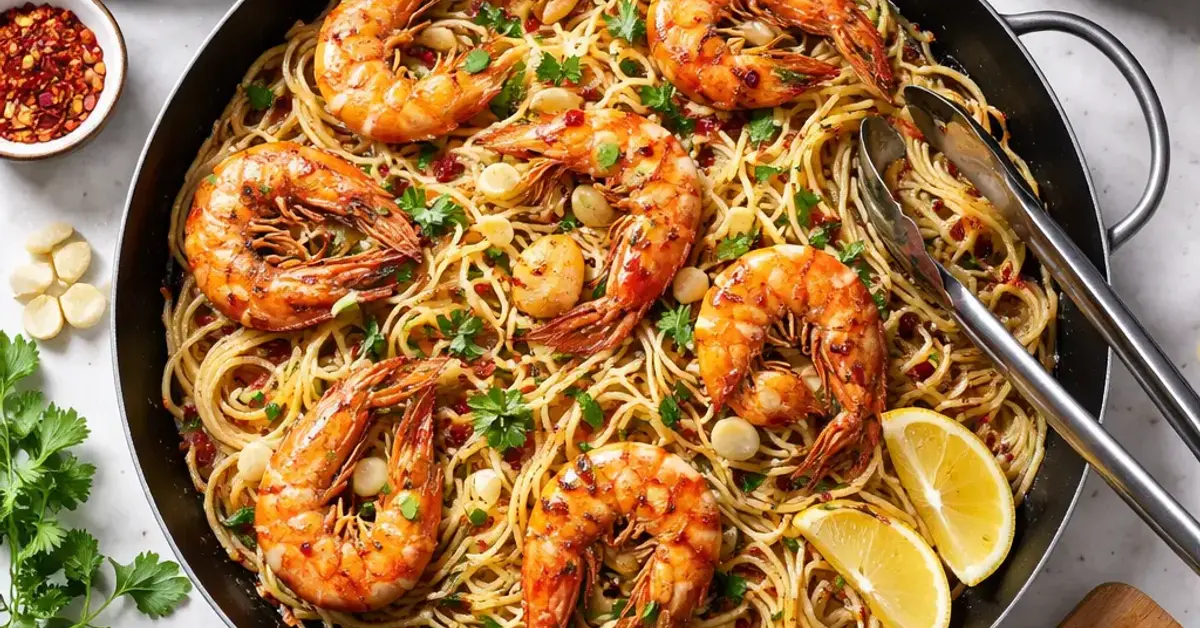
Tiger Prawn Aglio e Olio Key Takeaways
Making Tiger Prawn Aglio e Olio at home sounds simple, but small missteps can ruin the delicate balance of garlic, oil, and perfectly cooked prawns.
- Avoid overcooking tiger prawn aglio e olio by searing prawns separately and adding them at the end.
- Master the garlic-to-oil ratio and low-heat infusion to prevent bitterness.
- Use starchy pasta water and fresh herbs to elevate flavor without overpowering the dish.

Why Most People Ruin Their Tiger Prawn Aglio e Olio
You might think tossing garlic, oil, and pasta together is foolproof. But the difference between a memorable plate and a sad, greasy mess often comes down to a few specific habits. Many home cooks rush the garlic or dump in too much pepper, and suddenly that beautiful tiger prawn aglio e olio turns bitter or watery. Let’s break down the top five mistakes so you can nail this classic every single time. For a related guide, see 7 Mala-Spiced Pappardelle Mistakes to Avoid for Perfect Noodles.
Mistake #1: Overcooking the Tiger Prawns
Tiger prawns are the star of this dish, but they turn rubbery in seconds if you’re not careful. The biggest error? Cooking them straight in the pasta pan with everything else. Instead, sear the prawns separately in a hot skillet with a splash of olive oil for just 90 seconds per side, then set them aside. Add them back only when you toss the pasta with the garlic oil.
How to Get Tender, Juicy Prawns Every Time
Pat the prawns dry before cooking, season with salt and a pinch of red pepper flakes, and don’t crowd the pan. Crowding lowers the heat and causes steaming instead of searing. If you must cook in batches, do it. The result is a gorgeous golden crust and a sweet, tender bite that makes your tiger prawn aglio e olio sing.
Mistake #2: Burning the Garlic
Aglio e olio means garlic and oil, so garlic is non-negotiable. But burnt garlic is bitter and ruins the entire dish. The fix is simple: start your garlic in cold oil and heat them together slowly. This allows the garlic to infuse the oil evenly without scorching. Use sliced rather than minced garlic for more control, and remove the pan from heat the moment the garlic turns pale gold.
The Right Oil Temperature Trick
If you’re not sure, test with one small piece of garlic first. When it sizzles gently without browning aggressively, you’re in the right zone. Keep the heat on medium-low, not high. You want the garlic to soften and barely color, not crisp up like a chip. Once you nail this, the aroma alone will tell you your tiger prawn aglio e olio is on track.
Mistake #3: Underusing the Pasta Water
Pasta water is liquid gold. It contains starch that helps the sauce cling to every strand. Yet so many people drain their pasta completely and wonder why the dish feels dry. Before you drain, reserve at least one cup of the starchy water. When you toss the pasta with the garlic oil, add splashes of this water until the sauce emulsifies into a silky coating.
How to Emulsify the Sauce Properly
Use tongs to toss the pasta vigorously in the pan with the garlic oil and a ladleful of pasta water. The motion and starch combine to create a creamy texture without any cream. If you need more, add another splash. The goal is a light, glossy finish that clings to the pasta and the prawns equally. This one step separates good tiger prawn aglio e olio from great.
Mistake #4: Skimping on Quality Ingredients
This dish has only a handful of components, so each one matters. Cheap olive oil can taste harsh, bland prawns won’t shine, and old garlic loses its punch. Invest in a good extra-virgin olive oil, fresh tiger prawns (never frozen-and-thawed twice), and firm, fragrant garlic cloves. The difference is night and day.
For the pasta, use a brand made with bronze dies — the rough texture grabs the sauce better. And don’t forget a finishing touch: a squeeze of lemon, fresh parsley, and a pinch of flaky sea salt right before serving. These small upgrades transform your tiger prawn aglio e olio from ordinary to unforgettable.
Mistake #5: Overcomplicating the Recipe
Aglio e olio is supposed to be simple. Adding too many extra ingredients — cream, tomatoes, cheese, or vegetables — muddles the pure flavor profile. The beauty of this dish lies in its restraint: garlic, oil, pasta, prawns, a little heat, and fresh herbs. If you find yourself adding a dozen items, you’re no longer making tiger prawn aglio e olio; you’re making something else entirely.
Stick to the Core, Then Elevate Subtly
Want to add a twist? Try a sprinkle of toasted breadcrumbs for texture or a drizzle of chili oil for extra heat. But keep the base uncluttered. When you respect the simplicity, each ingredient gets to shine. That’s what makes this dish a weeknight hero and a dinner-party favorite all in one.
Your Quick Reference: Ingredient Cheat Sheet
| Ingredient | Best Choice | Why It Matters |
|---|---|---|
| Pasta | Bronze-die spaghetti or linguine | Rough surface holds the sauce |
| Olive Oil | High-quality extra virgin (but not too peppery) | Balances garlic without overpowering |
| Garlic | Fresh, firm cloves — sliced thin | Even infusion, no bitter burn |
| Tiger Prawns | Fresh or properly thawed, shell-on for flavor | Sweet, tender meat, better sear |
| Red Pepper Flakes | Crushed Calabrian or Aleppo | Fruity heat without harshness |
| Fresh Parsley | Flat-leaf Italian parsley | Brightness and color |
| Pasta Water | Reserved before draining | Starch binds the sauce |
Pro Tips for an Easy Shrimp Pasta Recipe That Works Every Time
Now that you know what not to do, here’s a quick playbook for nailing this easy shrimp pasta recipe. Start by salting your pasta water generously — it should taste like the sea. Cook the pasta two minutes shy of al dente; it will finish cooking in the sauce. While the pasta boils, sear the prawns and set them aside. In the same pan, add olive oil and sliced garlic over low heat. When the garlic is fragrant and pale gold, add red pepper flakes and a ladle of pasta water. Toss in the drained pasta and a handful of parsley, then return the prawns. Toss until glossy. Serve immediately with a lemon wedge and extra parsley on top.
Final Thoughts: Your Next Bowl of Perfection Awaits
Avoiding these five mistakes — overcooked prawns, burnt garlic, dry pasta, cheap ingredients, and overcomplication — will instantly level up your tiger prawn aglio e olio. The beauty of this dish is that small tweaks create huge rewards. Next time you’re craving a satisfying, quick pasta dinner, come back to this guide and give it a go. Once you taste the difference, you’ll never go back to the old way.
Share your creation with friends, tag them on social media, or leave a comment below with your own twist. Happy cooking!
Useful Resources
For a deeper dive into the science of pasta water and emulsification, Serious Eats explains the technique in detail: How to Make the Best Aglio e Olio (Serious Eats). If you want to explore more about choosing and preparing tiger prawns, head over to The Spruce Eats for a thorough guide: Tips for Cooking Shrimp and Prawns (The Spruce Eats).
Frequently Asked Questions About Tiger Prawn Aglio e Olio
Can I use frozen tiger prawns for this recipe?
Yes, but thaw them overnight in the refrigerator, pat them very dry, and cook immediately for best results.
What type of pasta is best for aglio e olio?
Spaghetti or linguine are traditional, but any long pasta works. Bronze-die varieties grip the sauce better.
How do I keep the garlic from burning?
Start garlic in cold olive oil over low-medium heat, stir frequently, and remove the pan from heat as soon as it turns pale gold.
Should I peel the tiger prawns before cooking?
Peeling is fine, but leaving the shells on during searing adds more flavor. Remove shells before tossing with pasta.
Can I make this dish dairy-free?
Yes, classic aglio e olio is naturally dairy-free. Just use olive oil and no butter or cheese.
How much pasta water should I reserve?
Reserve at least one cup. Start with half and add more as needed until the sauce coats the pasta evenly.
What if I don’t have red pepper flakes?
Substitute with a pinch of cayenne pepper or finely chopped fresh chili. Adjust heat to taste.
Can I add vegetables to tiger prawn aglio e olio ?
You can, but keep it minimal. Cherry tomatoes or spinach work well if added at the very end.
Why is my sauce too oily?
You likely used too much oil or didn’t emulsify with enough pasta water. Toss vigorously with extra water to fix it.
How do I know when the pasta is al dente?
Follow package timing minus 2 minutes, then taste. It should be firm but not hard in the center.
Can I use shrimp instead of tiger prawns?
Absolutely. Any large, fresh shrimp works. Adjust cooking time based on size — smaller shrimp cook faster.
Is this recipe gluten-free?
Use gluten-free pasta and ensure your red pepper flakes and other ingredients are certified gluten-free.
What can I substitute for parsley?
Fresh basil or chives add a different but pleasant flavor. Avoid dried herbs, which can taste dusty.
How do I store leftovers?
Store in an airtight container for up to 2 days. Reheat with a splash of water or olive oil in a skillet to refresh.
Can I add lemon to tiger prawn aglio e olio ?
Yes. A squeeze of fresh lemon juice and zest brightens the dish perfectly. Add just before serving.
Why do my prawns taste fishy?
Fishiness often means the prawns are old or were not patted dry before cooking. Always use the freshest possible.
Can I use whole wheat pasta?
Yes, but whole wheat absorbs more water and has a nuttier flavor that competes with the garlic. Adjust cooking time.
How many tiger prawns per serving?
About 4-6 large tiger prawns per person, depending on appetite and whether it’s a main or starter.
What wine pairs with this dish?
A crisp white like Pinot Grigio or Vermentino complements the garlic and prawns without overpowering the dish.
Is this dish spicy?
It is mildly spicy from the red pepper flakes. Adjust the amount to your heat preference, or omit for zero heat.